הגעתי למסגר תמונה וקיבלתי שירות מדהים מזיו. סבלני, מקצועי, אדיב ועם יחס אישי שלא רואים בכל מקום. עזר לי לבחור את המסגרת המתאימה ונתן תחושה שבאמת חשוב לו שהכול ייצא מושלם. ממליצה מאוד לכל מי שמחפש שירות איכותי וחוויית לקוח נעימה. תודה רבה
סיון אגי 5.0 · 94 Google reviews
How much does picture framing cost? What sets the price
"How much does it cost to frame a picture?" is the first question people ask on the phone, and the honest answer is that it depends, but not on anything vague. Five factors decide almost the entire price, and once you know them you can judge for yourself whether a job will be small or large, and come to the studio with the right expectations.
Walk in during opening hours. Free parking, no appointment needed. Rather ask first? Message us on WhatsApp.
- Studio in Rishon LeZion
- Most jobs ready within two business days
- Personal advice, 30 years of experience
- Bring your piece to the studio
- Choose a frame and get a quote on the spot
- Pick it up when it is ready
Starting prices
Common jobs have a known starting price:
A4 frame, made locally, glass included: from ₪50
A3 frame, made locally, glass included: from ₪100
Puzzle framing, with gluing, frame and glass: from ₪100 at 30×40 up to ₪250 at 60×80
Canvas or painting stretched on wood bars: ₪50 per running meter
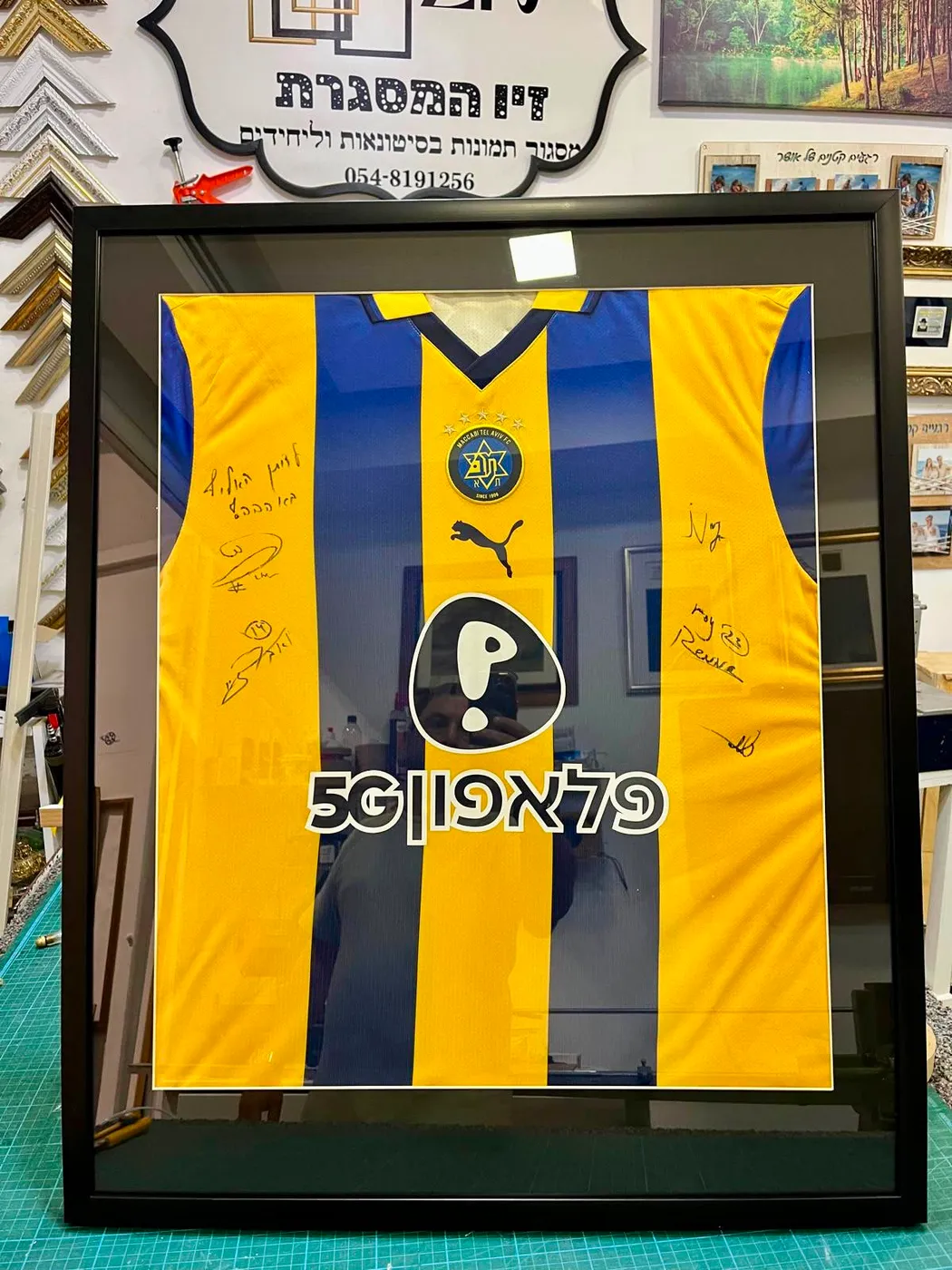
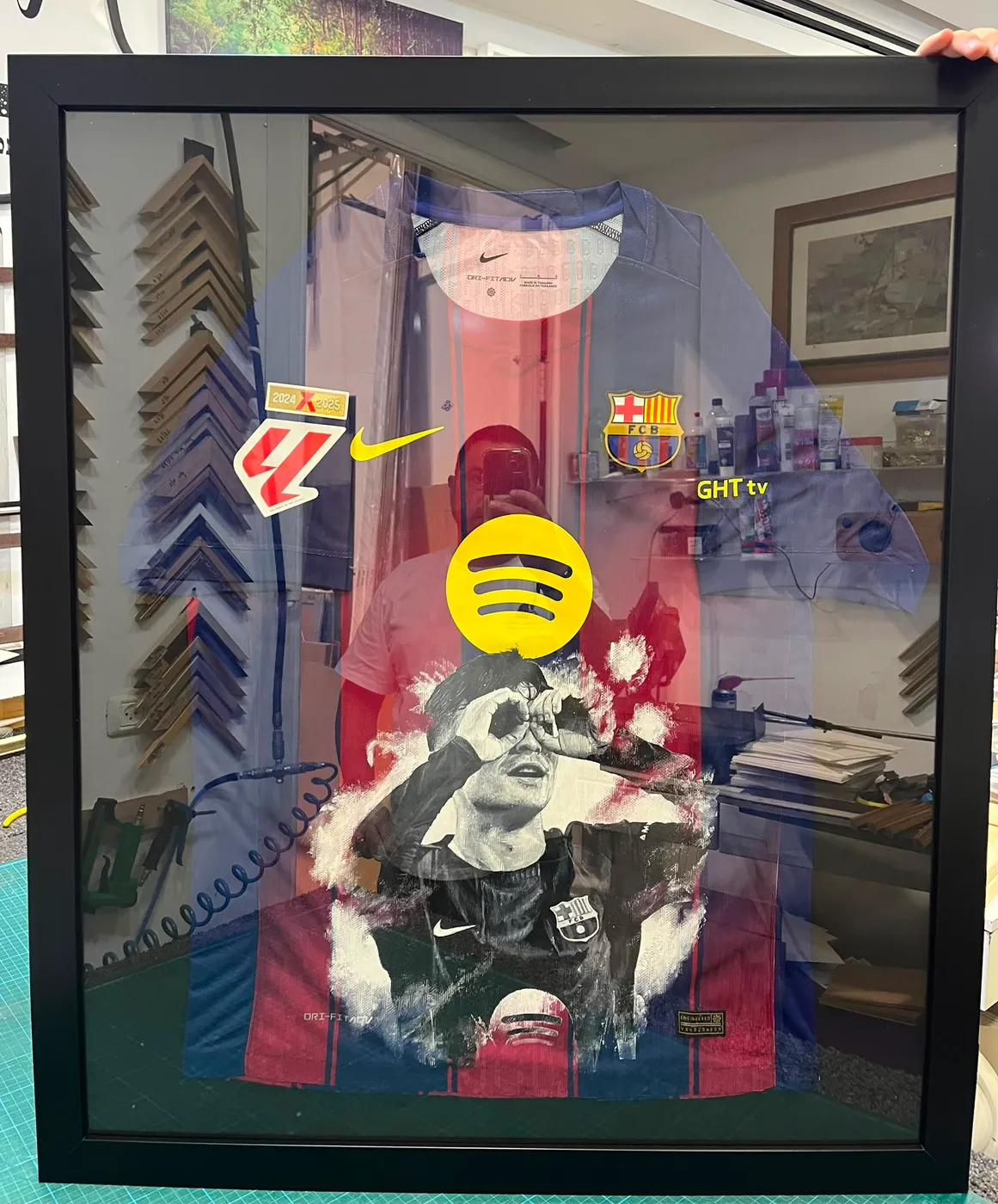
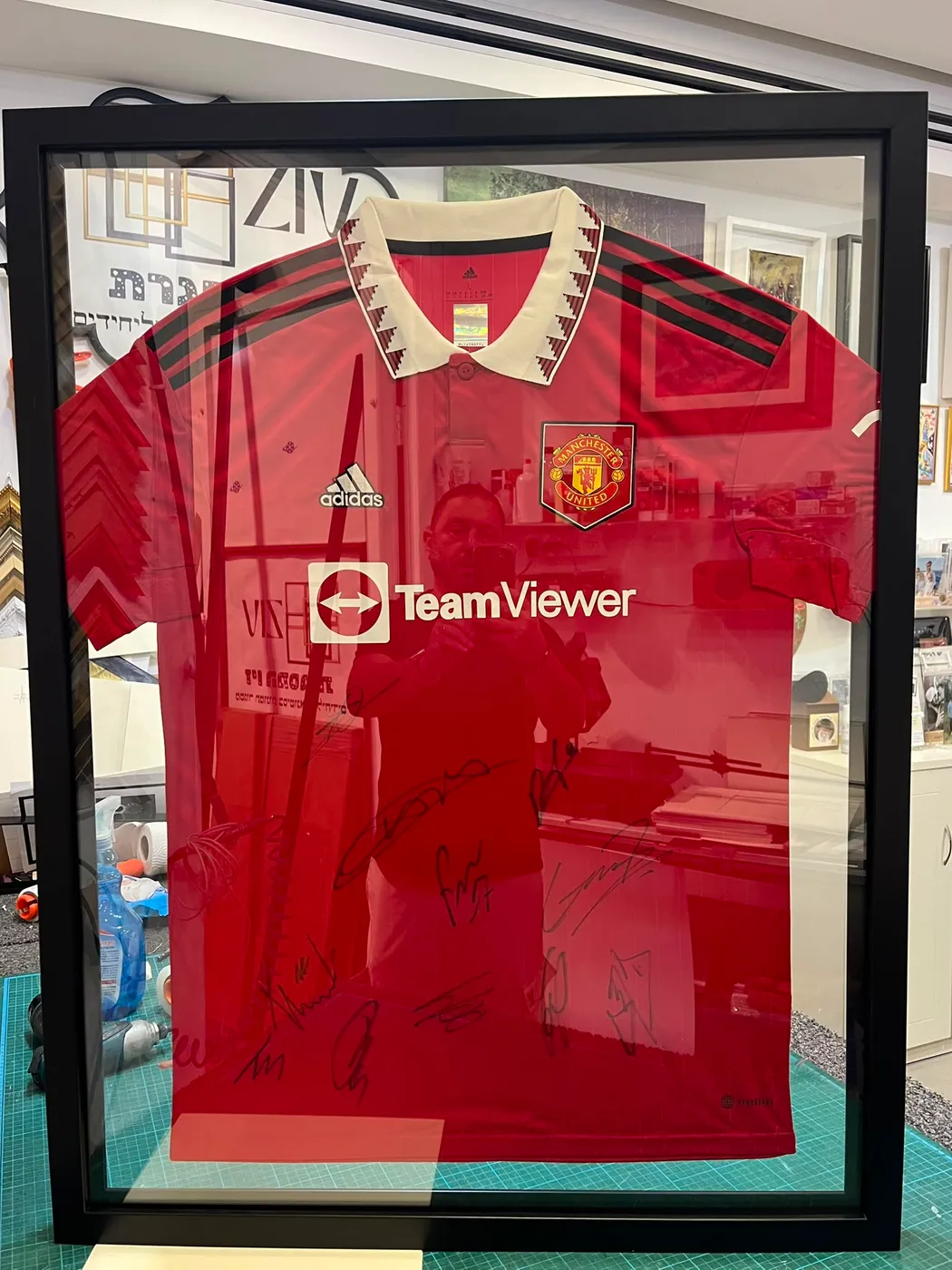
Shirt framing in a shadow box: ₪350–₪600 by size and depth
Canvas printing: from ₪120
These are starting prices. The final price of every job is set by the five factors on this page, and you get it at the studio in front of the piece, before any work starts.
Why there is no single price for every framing job
Framing isn't an off-the-shelf product; it's work made for one piece. The molding is cut to its size, the glass is cut to it, the mat is cut to it, and everything is assembled together. There are no two identical products you can price in advance, so there's no single price you can hang on the wall.
In practice, exactly the same picture can come out at two very different prices, depending on decisions you make: a thin or a wide molding, with or without a mat, and in which finish. That isn't a drawback: it's exactly what lets you fit the job to your budget without giving up a result that looks right.
What is fixed: the quote is given up front. You know the exact price before any work starts, and there are no surprises at the end.
We have one exception: canvas printing, which does have a fixed price list by size. See our canvas printing page.
Size: the first factor, and not the way you'd think
Size is the most significant factor, but it doesn't work by area. A frame is measured mainly by its perimeter: how many centimeters of molding have to be cut to go around the piece. On top of that comes the amount of glass and mat.
The gap between the two is bigger than it seems. A picture with twice the area doesn't have twice the perimeter, so it doesn't cost twice as much either. In practice, the jump in price from a small picture to a medium one is more moderate than most people expect.
What does jump is the move to truly large sizes. That's where other considerations come in, a wider molding needed for rigidity, a large sheet of glass, a stronger backing, and each one adds to the cost. Our large picture frames page goes into this.
And a practical note: an unusual size isn't more expensive than a standard one. Everything is cut to measure anyway, so an odd size costs about the same as a standard size with a similar perimeter.
The molding: the choice most in your control
The molding is the frame itself, and it's the component with the widest range. Two things set its price: the width and the finish.
Width: a wide molding is simply more material along the same perimeter. Going from a thin molding to a wide one is one of the most noticeable changes in price, and also one of the most noticeable in the look.
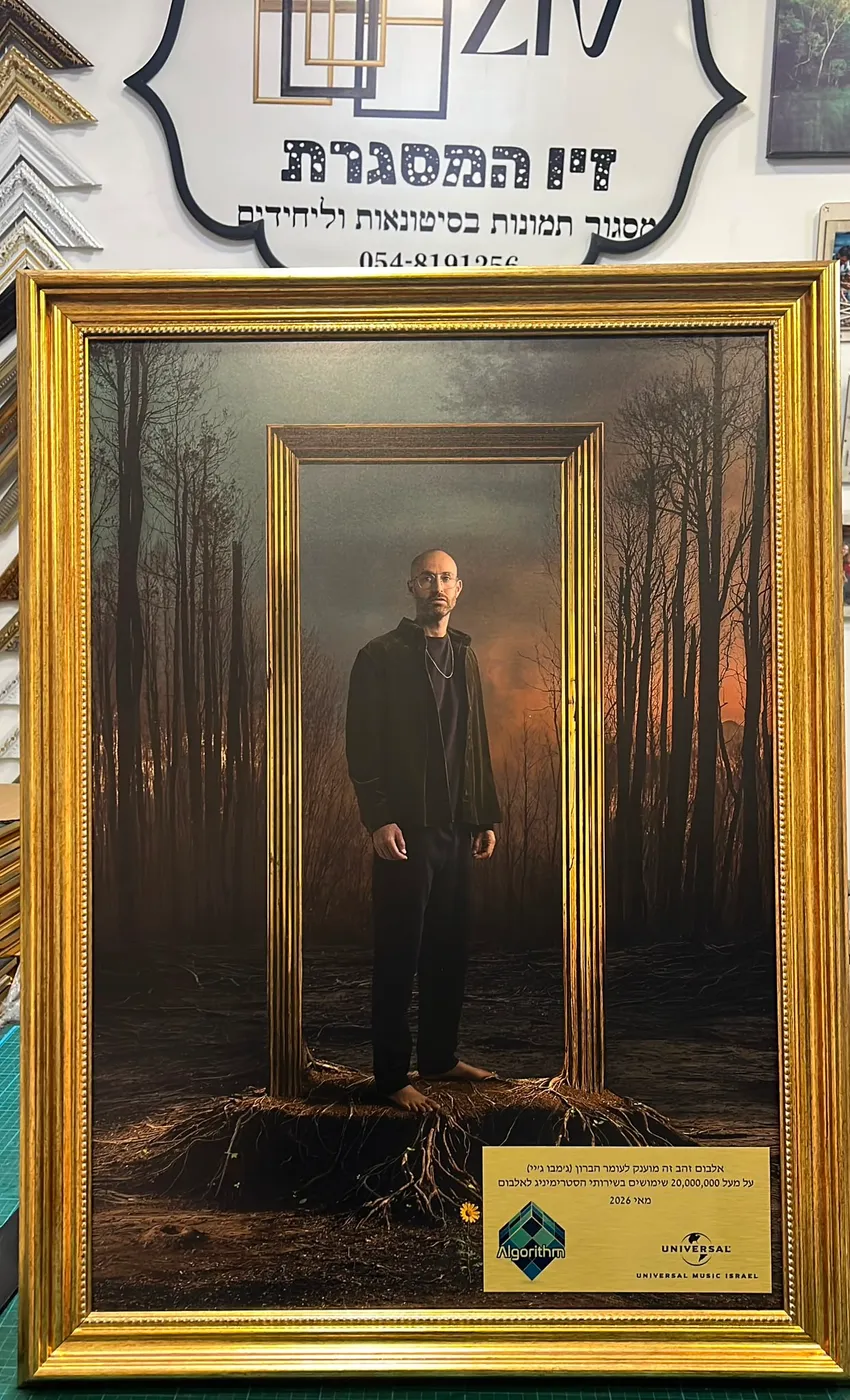
Finish: a plain-shade wood molding, a basic aluminum molding and an ornate molding with a gold or silver finish are not in the same category. Ornate and classic finishes are the expensive ones, and they're meant for paintings and awards, not for every picture.
This is also where it's easiest to save without hurting the result. Very often a simple molding in the right width looks better than an expensive one in the wrong width, and you can see that in two minutes by holding samples against the picture itself. Our frame types page explains how to choose width and shade.
The glass
Glass is priced by area, so its share of the cost grows with the picture. On small jobs it's a modest part of the price; on a large picture it's a significant component, and it also adds weight that affects hanging.
We use quality regular glass in all our frames. It gives good protection and full clarity, and it's the right choice for the vast majority of jobs.
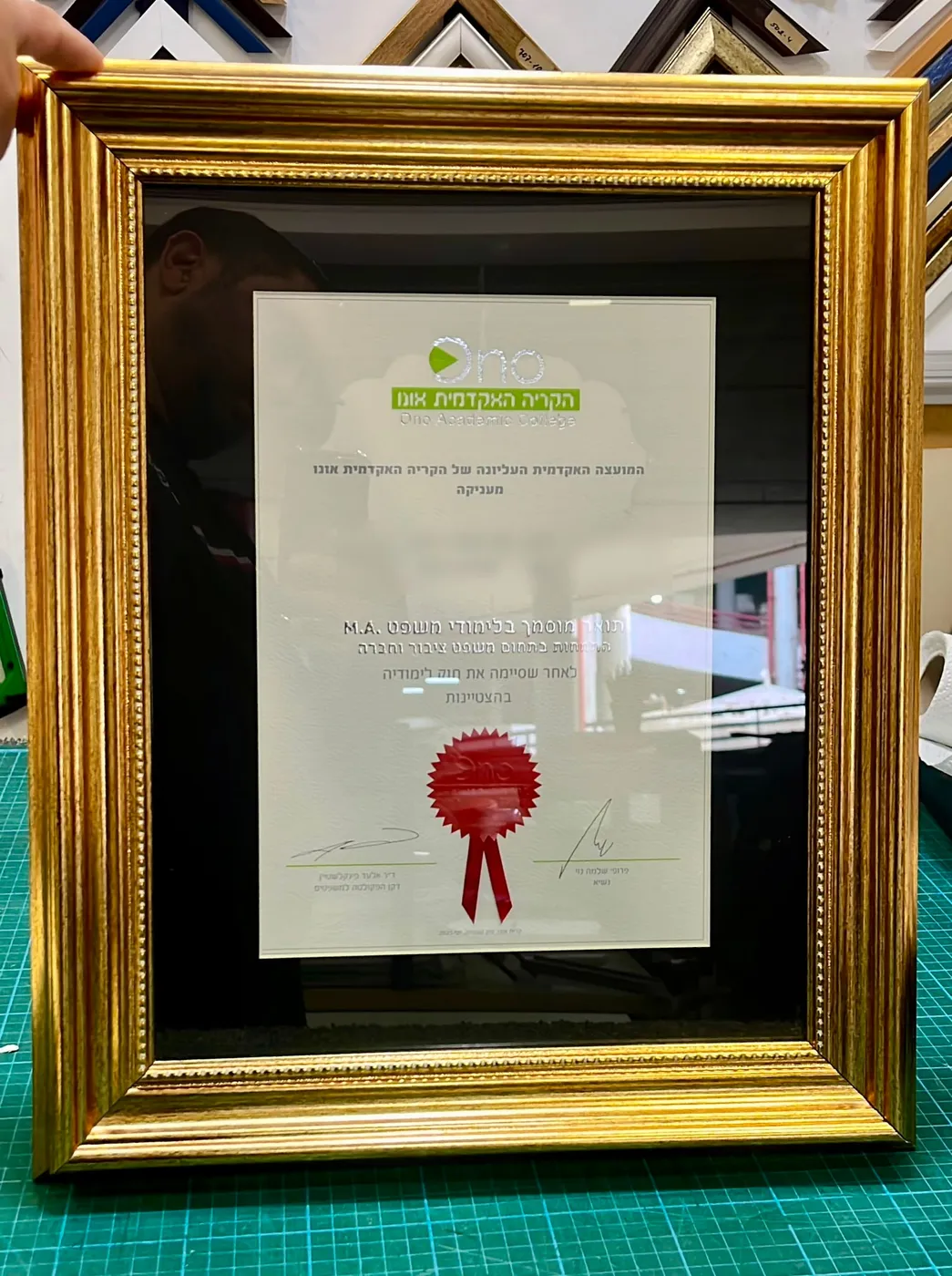
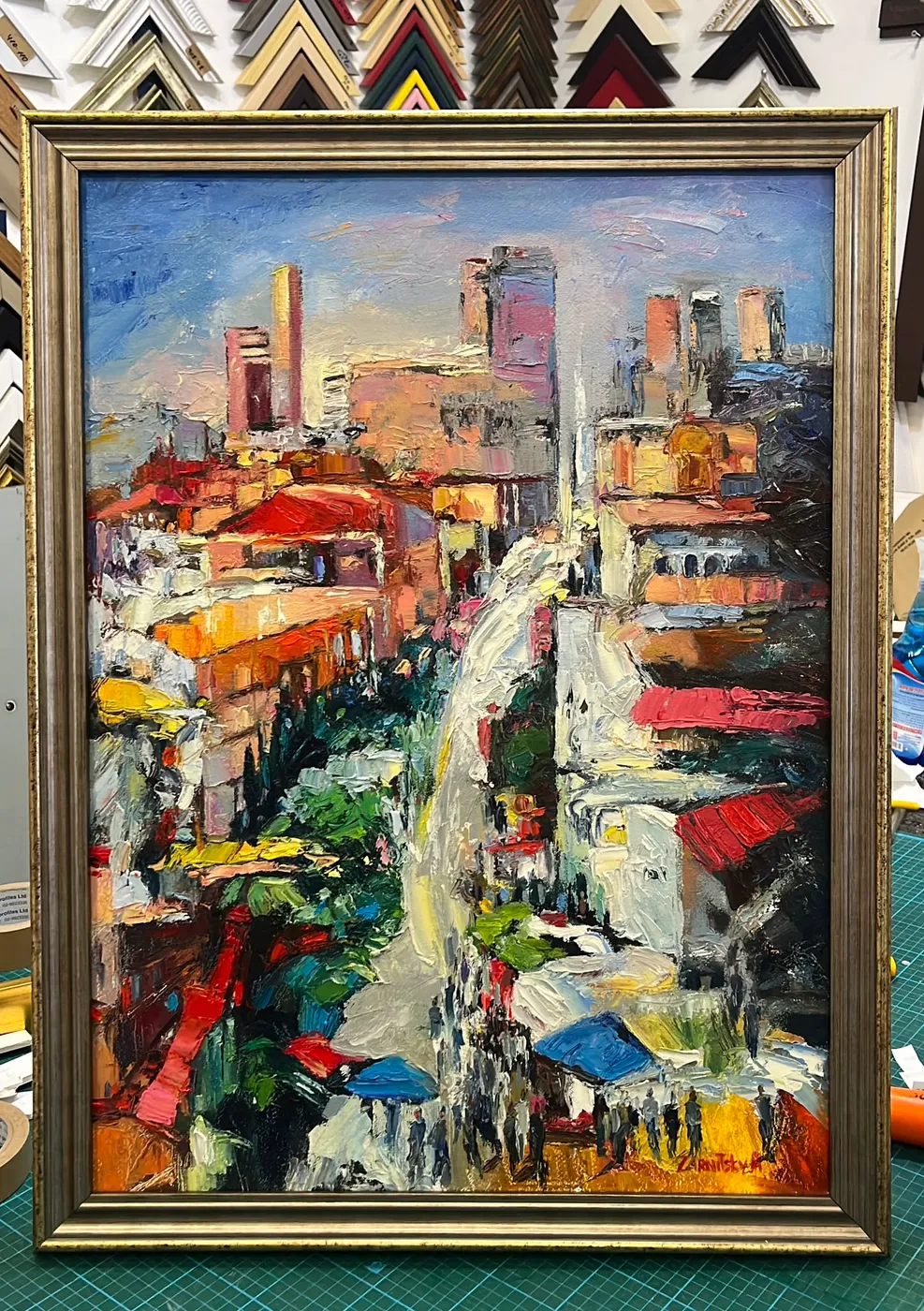
There are cases where you can skip glass altogether, and that's the biggest saving there is in framing: an oil painting on canvas doesn't want glass anyway, a printed canvas doesn't need it, and an item mounted on a board can manage without it. But for anything on paper, a photo, a print, a poster, a certificate, glass isn't a luxury; it's what protects it.
The mat
A mat adds to the cost, but usually less than people expect, and sometimes it actually makes the whole job cheaper.
It adds because it's material that gets cut and work that gets done. It saves when it lets you frame a small picture in a frame the size you wanted on the wall, instead of enlarging the print itself: the mat fills the difference and the result looks intentional.
The second consideration isn't about money: on works on paper, the mat is what prevents direct contact between the paper and the glass. That's not an aesthetic upgrade but part of preservation. Our picture mats page covers all of this.
Depth: when the piece isn't flat
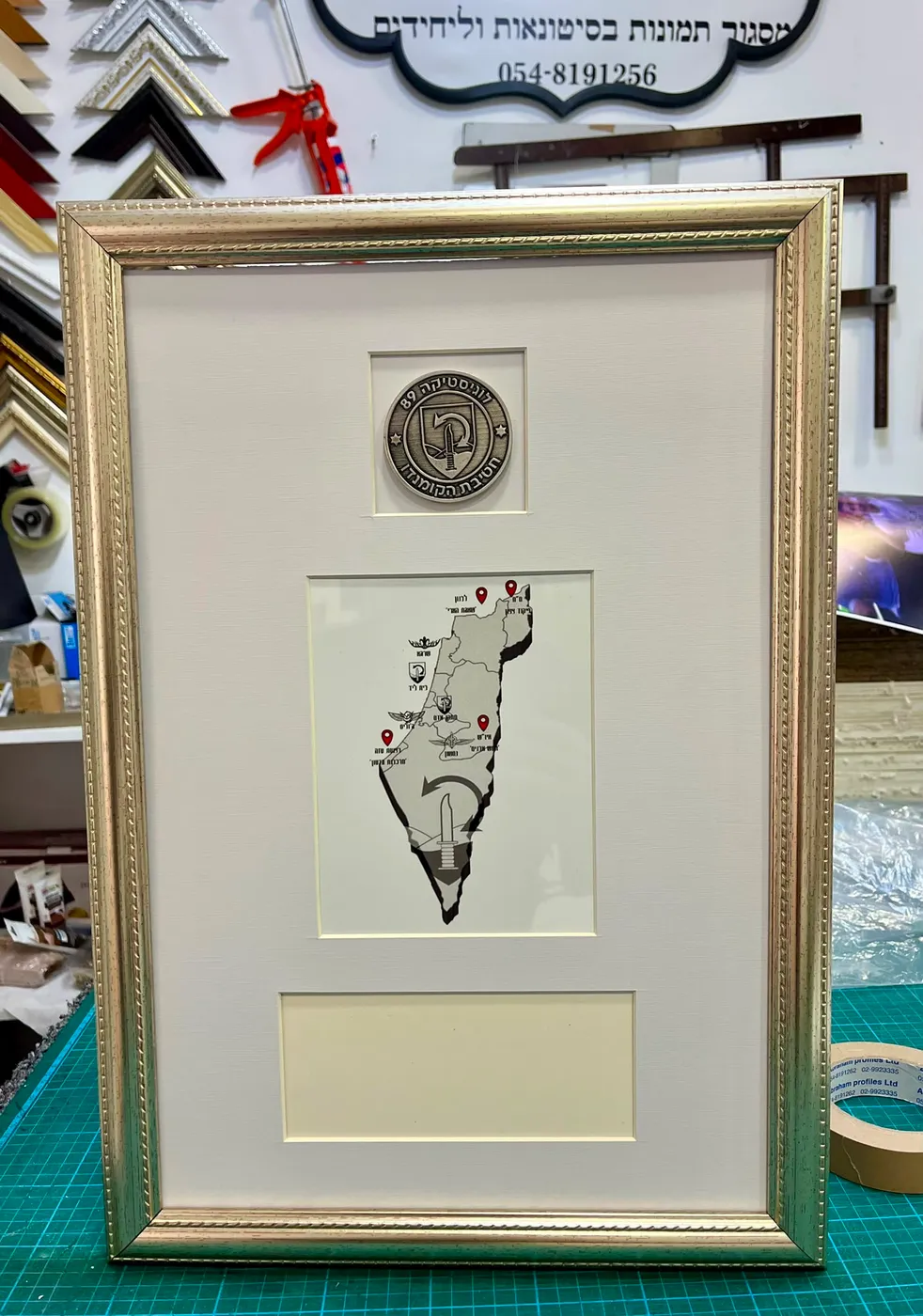
Everything so far applies to flat framing. Once the piece has volume, a jersey, a medal, a record, a keepsake, you're in a different category: a shadow box, with real depth between the background and the glass.
A shadow box costs more than a flat frame of the same outer size, for three reasons: the molding is deep and so contains more material, a background goes in, and there's mounting and arranging work that regular framing doesn't have.
Within that category, the price follows the depth and the amount of arranging. A folded jersey costs less than one with the sleeves spread out; a single item costs less than a box that arranges five items in the same space. See our shadow box page.
Preparation work included in the price
Sometimes the piece isn't ready to go into a frame, and there's a step before. These are the common ones:
Gluing and stabilizing a puzzle: a finished puzzle has to become one stable surface before it's measured and framed. You can bring it already glued, or we can do it. See our puzzle frames page.
Canvas stretching: a painting on slack canvas, or a print that arrived rolled, needs stretching over wooden stretcher bars before framing. It's a service in its own right. See our canvas stretching page.
Flattening rolled paper, and dealing with damaged or torn edges: usually solved with a mat that covers exactly that area.
Printing: if the picture only exists as a file, the printing goes into the same job. See our photo printing page.
What saves money without hurting the result
A few things we say at the studio when someone asks to cut back:
Go down in molding width before going down in quality. A thin, simple molding is a legitimate choice and often the right one, especially for photos and graphic posters.
Choose a simple finish. Ornate finishes are the expensive part, and only some jobs really need them.
Skip glass when the piece allows it: an oil painting, a canvas, an item mounted on a board.
Consider a wide mat instead of a bigger print. Sometimes it makes the whole job cheaper and looks better too.
And if you have several pieces, order them together. A combined order with the same specification lowers the price per unit and comes out more consistent too. See our wholesale frames page.
What isn't worth saving on: glass on works on paper, and a mat on pieces that have value. Those aren't decorations; they're what prevents damage over the years.
How to get an exact price
The fastest and most accurate way: come to the studio with the piece. We measure it, hold molding and mat samples against it, you decide, and you get a quote on the spot, before any work starts. It takes a few minutes, and it's also the part that decides how the result will look.
Have a question before you come? Ask us on WhatsApp: about sizes, materials or whether we are in. The price itself is given at the studio, in front of the piece, because it depends on choices you make there.
For quantity orders, offices, designers, galleries, institutions, pricing works differently and starts with a conversation about quantities and sizes. See our wholesale frames page.
The studio is at 3 Naftali Palatin St., Booth 147, Rishon LeZion, with free parking nearby, open Sunday–Thursday 08:15–17:00, with no appointment needed.
What our customers say
Reviews are shown in their original Hebrew, as posted on Google.
חוויית שירות מעולה מההתחלה ועד הסוף. קיבלתי מענה מהיר ומקצועי, עם יחס אדיב ונכונות אמיתית לבוא לקראתי. המחיר הוגן ושווה כל שקל. הזמנתי מסגרת לחולצה והתוצאה הסופית פשוט אליפות – עבודה מדויקת ואיכותית. ממליץ בחום לכל מי שמחפש עבודה ברמה גבוהה וראש שקט
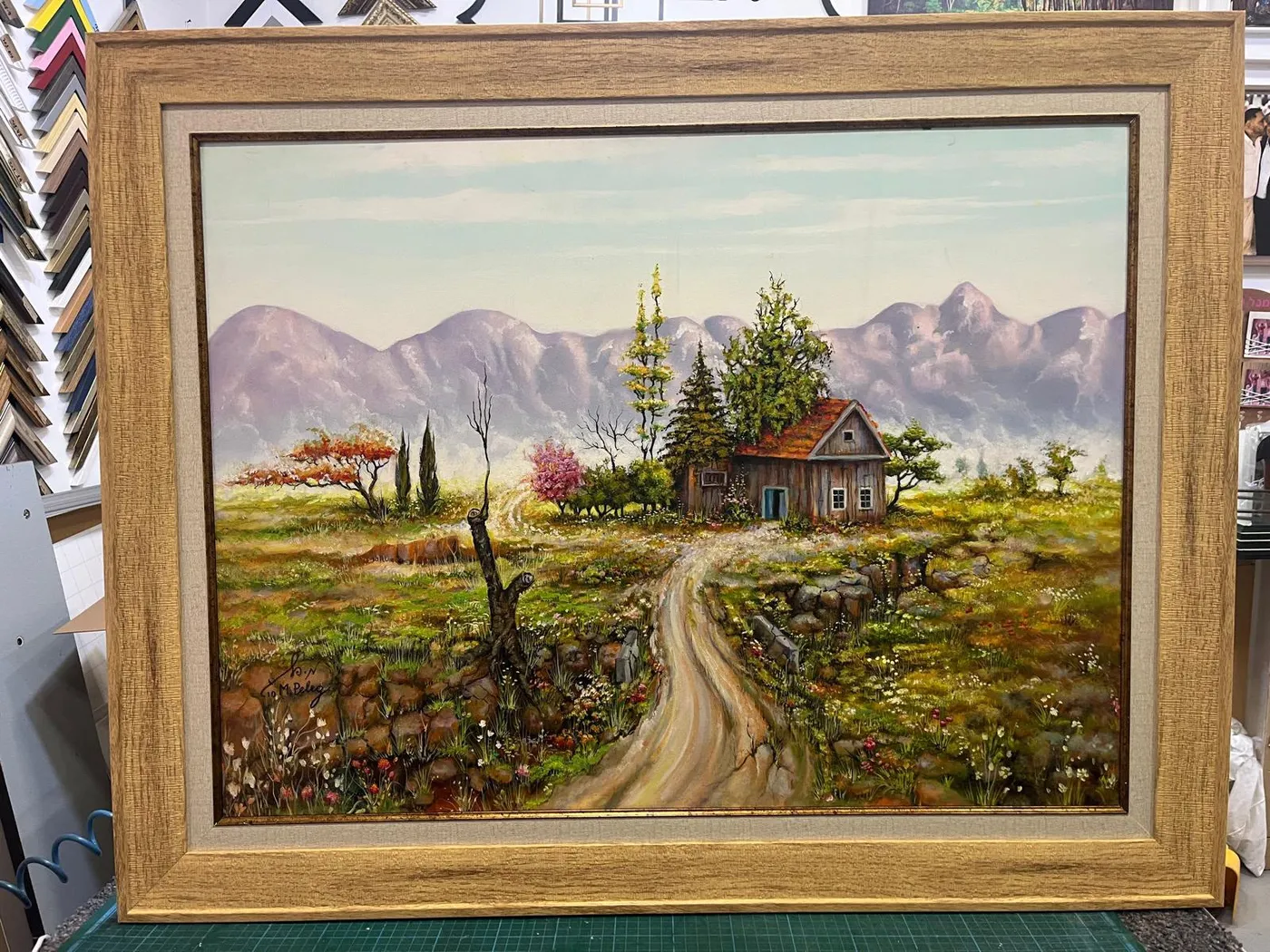
שליו אברגילהגעתי דרך גוגל וגיליתי את זיו אדם אדיב ונחמד ישבנו לקפה עזר לי להתאים את המסגרת שמתאימה בול לציור שלי ממליץ בחום
יגאל מורמדהים!!!! מקום מדהים! זיו שירותי מאד ! מחירים הוגנים ובדקתי כמה חנויות. ממש ממש מרוצה
ספיר כהןשירות ואיכות ברמה הכי גבוהה שיש!!
Tomas Siעבודה מקצועית, שירות אדיב
Barry GreenOur work
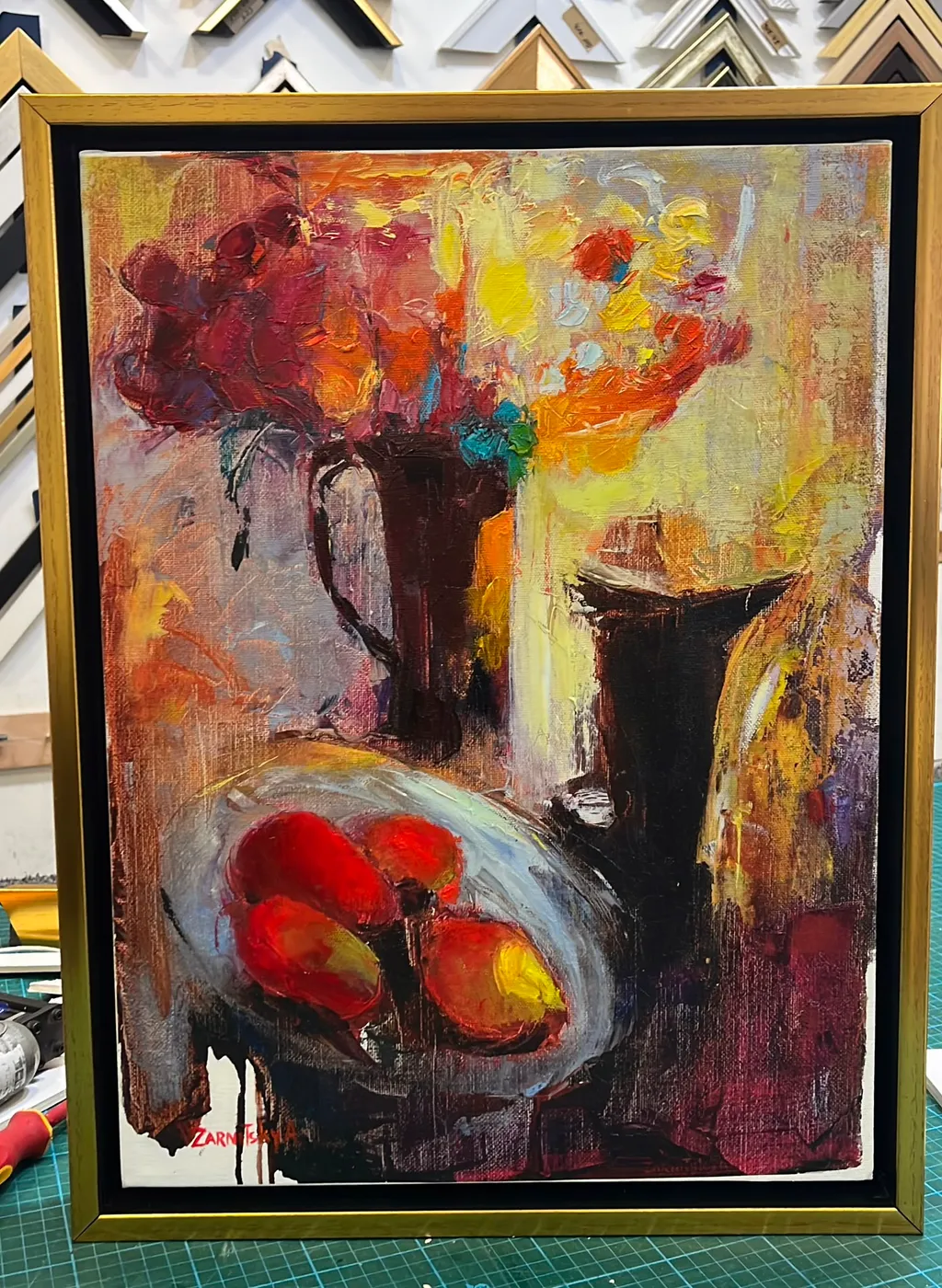
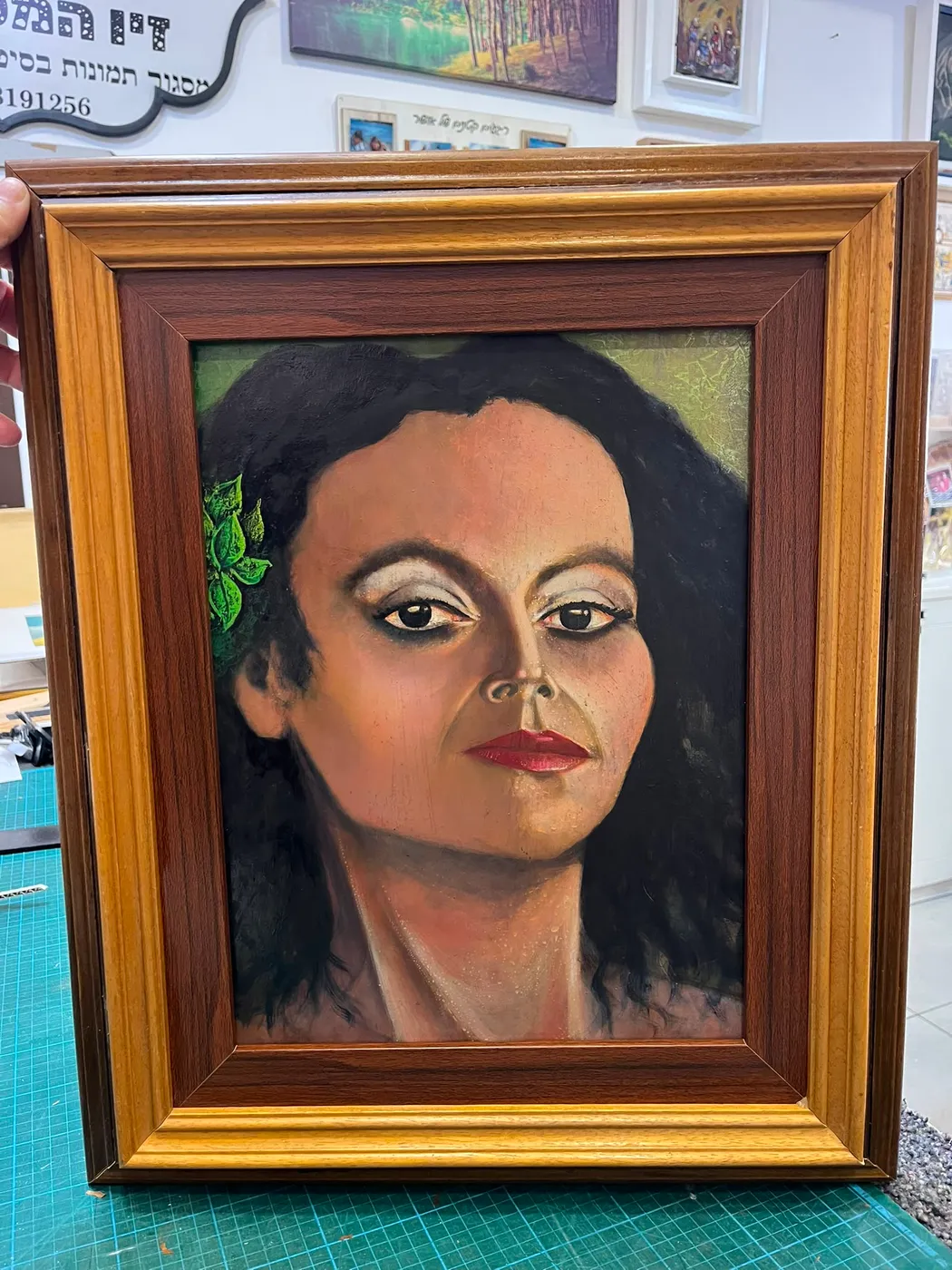
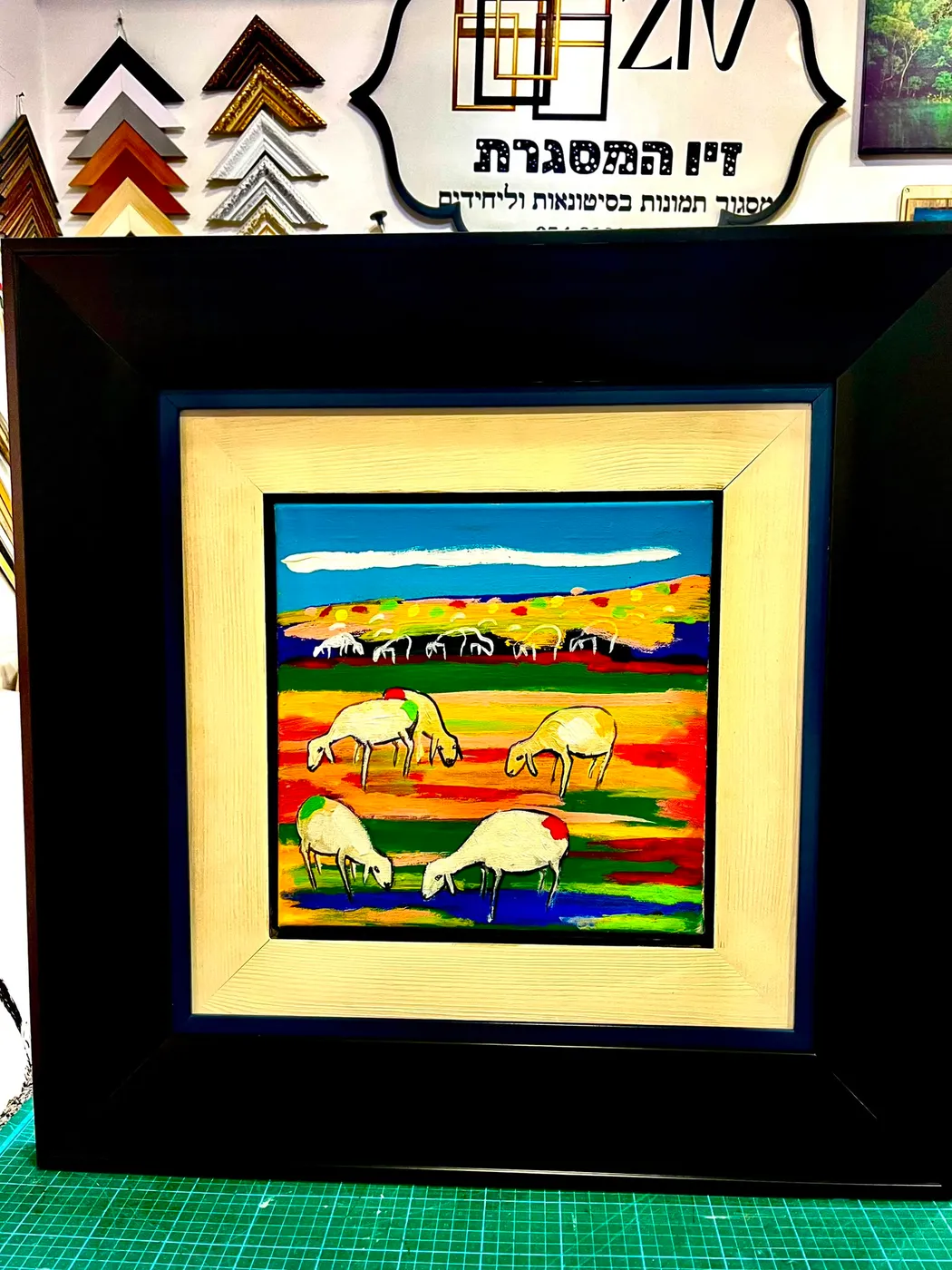
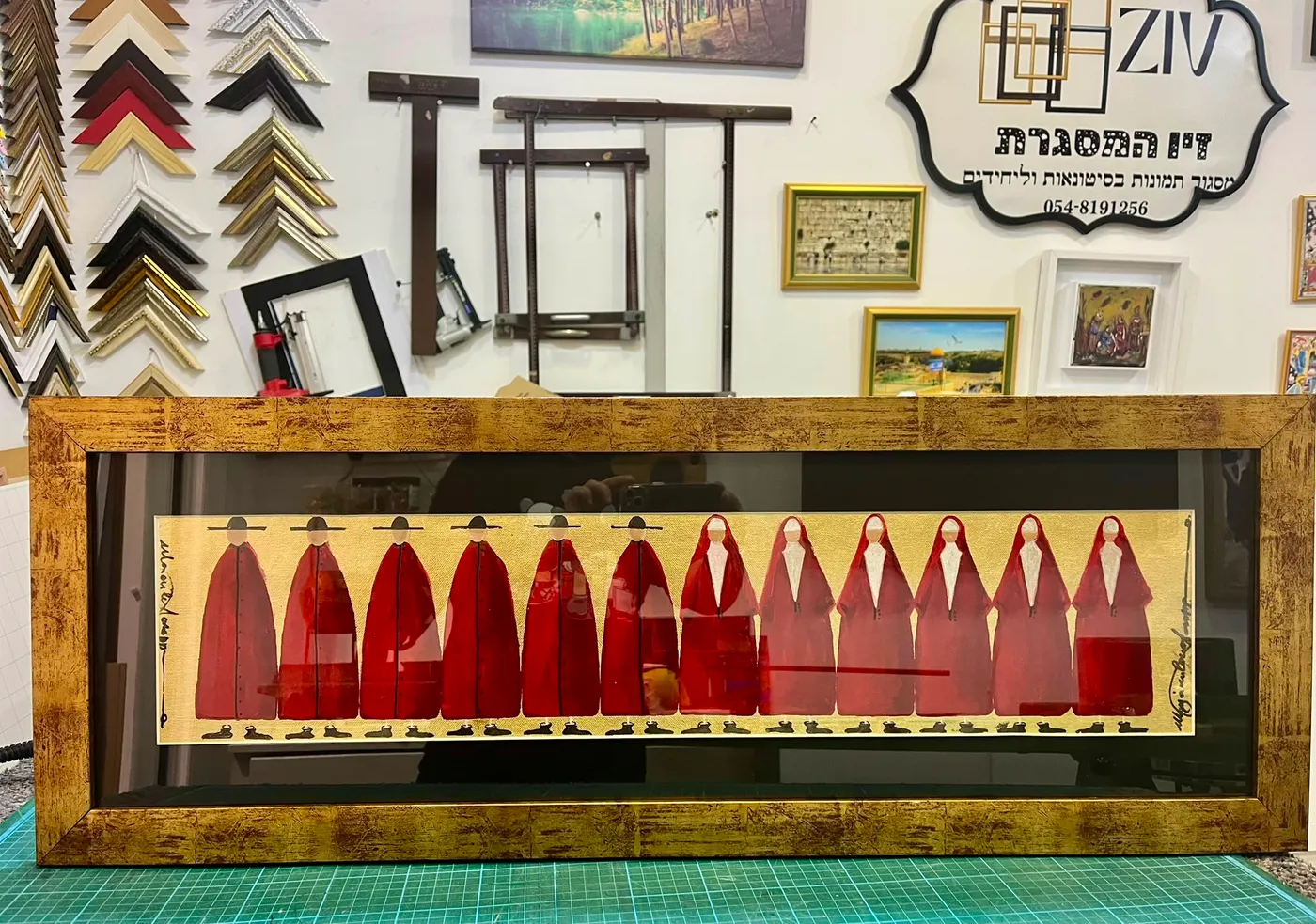
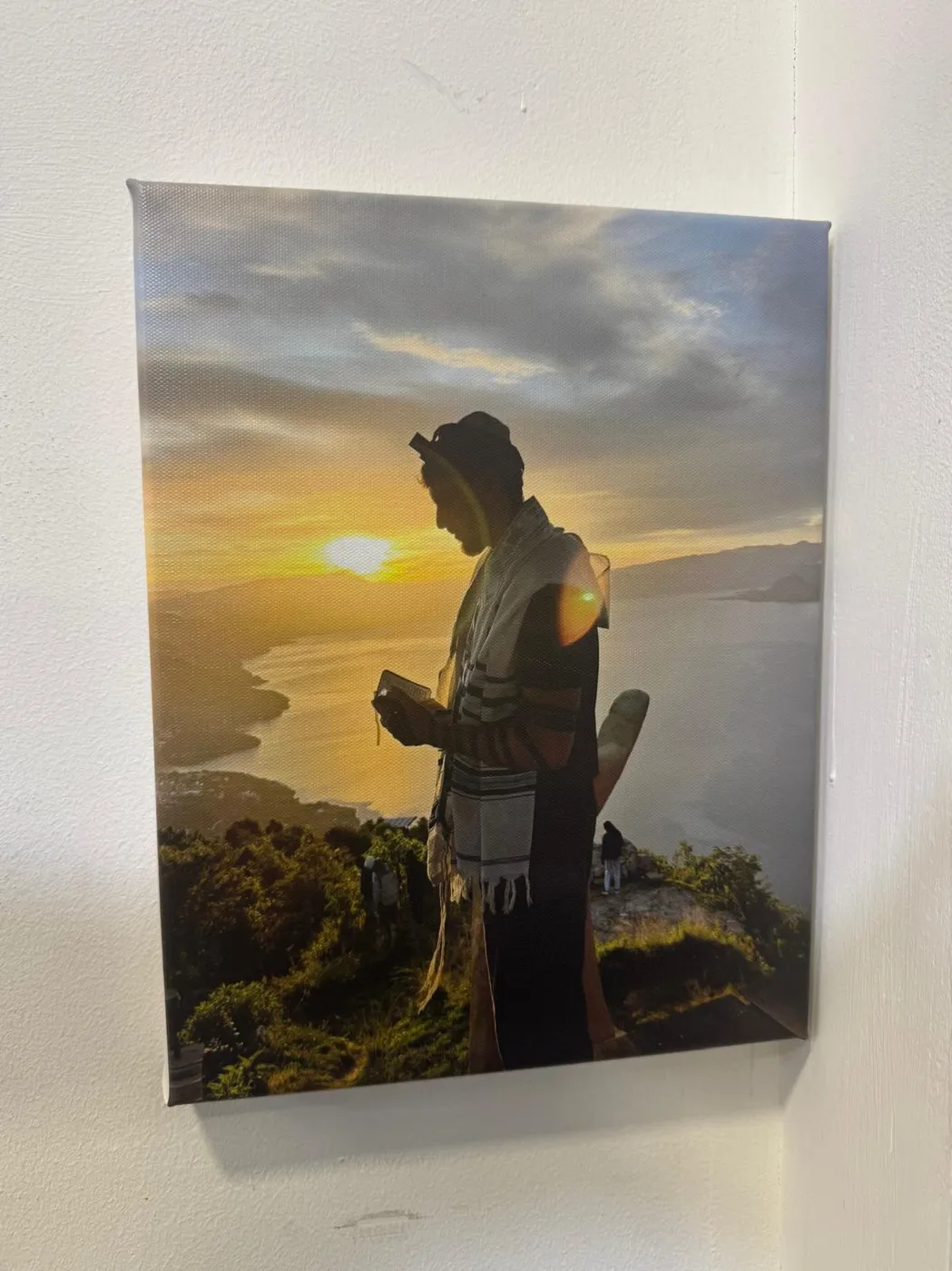
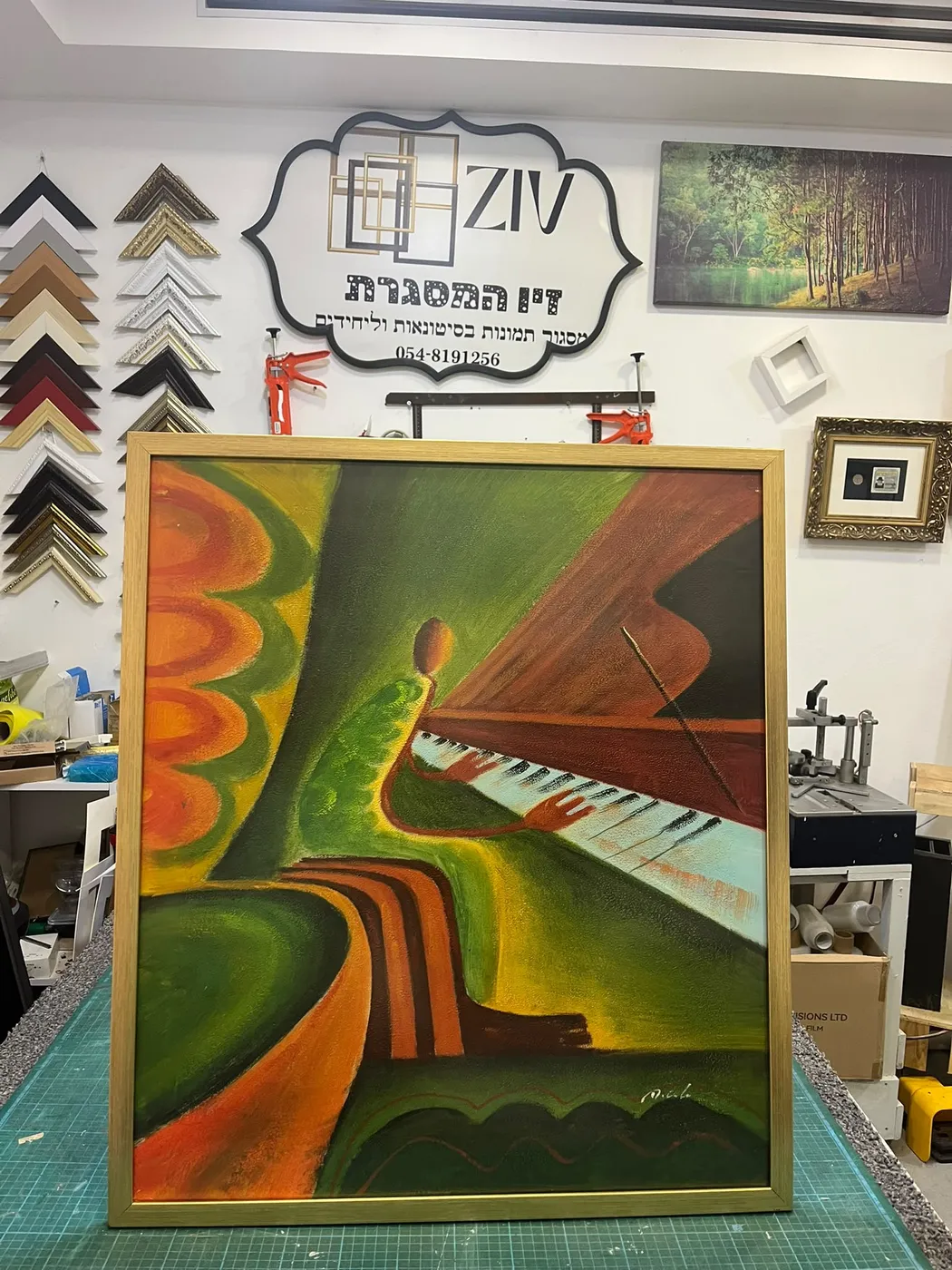
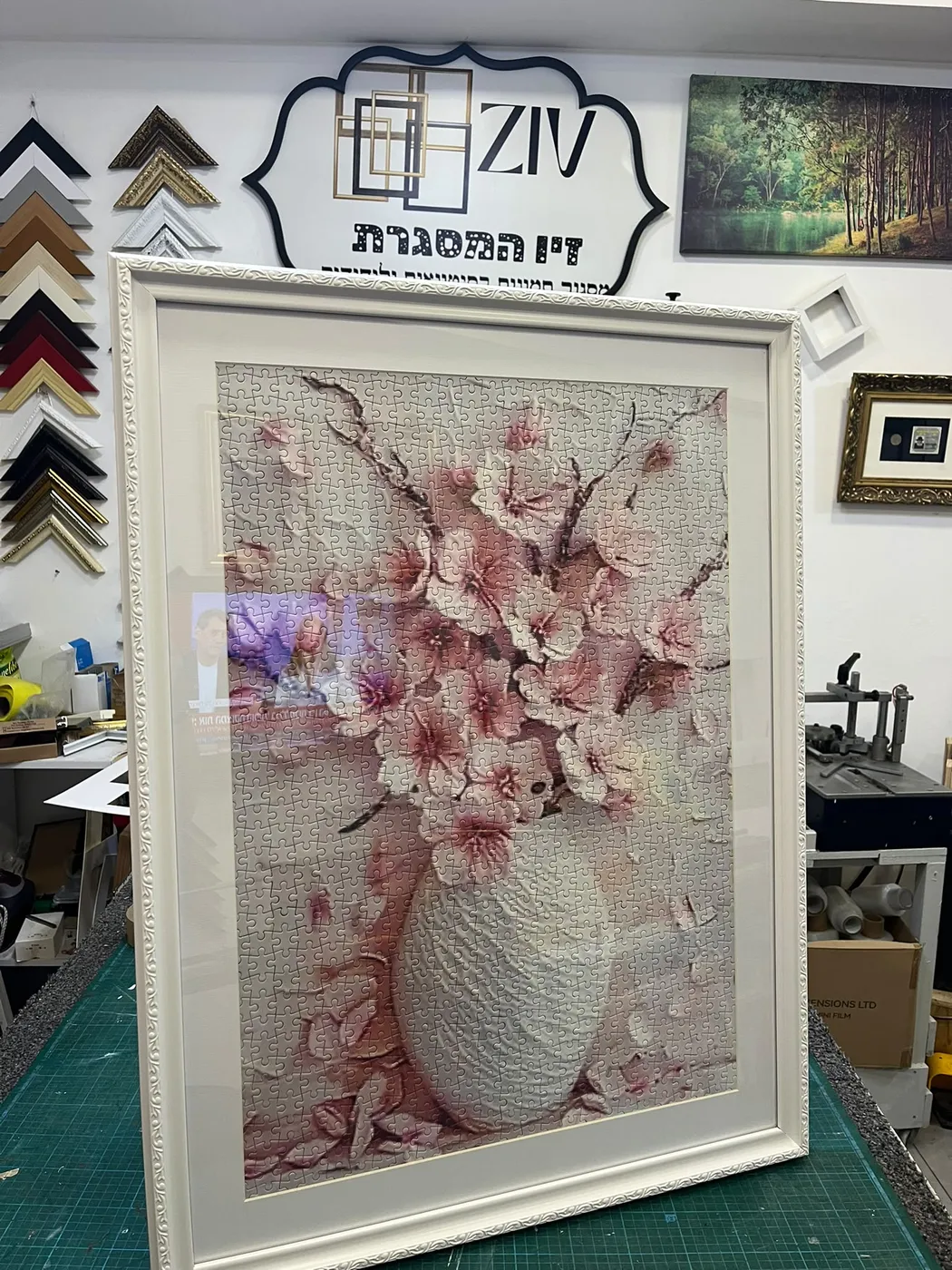
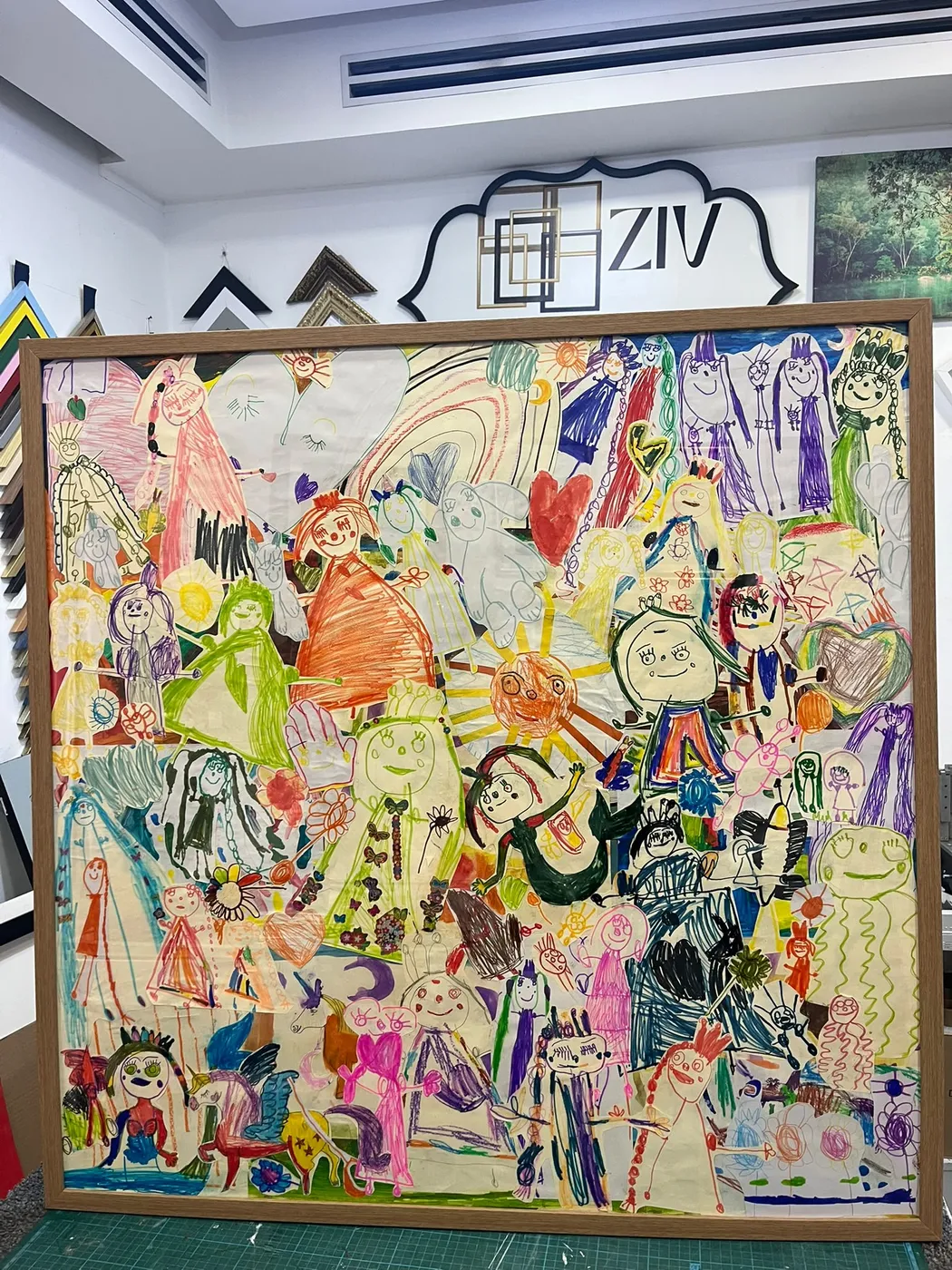

Frequently asked questions
How much does it cost to frame a picture?
An A4 frame with glass starts at ₪50 and an A3 frame at ₪100. Beyond that, the price is decided by five things: the size, the width and finish of the molding, the glass, whether there's a mat, and whether depth is needed. The same picture can come out at two very different prices depending on those decisions, so the quote is given in front of the piece, always before any work starts.
Do you have a framing price list?
There are starting prices for the common jobs: an A4 frame with glass from ₪50, an A3 frame from ₪100 and puzzle framing from ₪100. Beyond that every job is made for one piece, so the final price is given at the studio in front of it. Canvas printing has a fixed price list by size.
Why does the same size come out at two different prices?
Because of the molding and the mat. A wide or ornate molding costs more than a thin, simple one along the same perimeter, and adding a mat changes things too. That's exactly what lets you fit a job to your budget.
Can I get a price by phone or WhatsApp?
We give the price at the studio, in front of the piece. Only when we see it can we tell what it needs: which molding suits it, whether it wants a mat, which glass, and what the final size will be. Two pieces of the same size can differ twofold in price depending on those choices, so a price given over the phone would not be accurate. The best way is to bring the piece to the studio: we measure it, try moldings against it and give you an exact quote on the spot, with no obligation and no appointment needed. For general questions before you come (hours, availability, whether we handle a certain kind of item), WhatsApp is fine.
Is a custom frame more expensive than a standard-size frame?
Not necessarily. Everything is cut to measure anyway, so an unusual size costs about the same as a standard size with a similar perimeter. What raises the price is the perimeter, the molding and the glass, not the fact that the size isn't standard.
What makes framing cheaper?
A thin molding and a simple finish, skipping glass when the piece allows it, and sometimes a wide mat instead of a bigger print. What isn't worth saving on: glass on works on paper, and a mat on pieces of value.
Is the price final before work starts?
Yes. You get a full quote at the studio before the work begins, and nothing is added at the end.
More services
How to find the studio
3 Naftali Palatin St., Booth 147, Rishon LeZion