הגעתי למסגר תמונה וקיבלתי שירות מדהים מזיו. סבלני, מקצועי, אדיב ועם יחס אישי שלא רואים בכל מקום. עזר לי לבחור את המסגרת המתאימה ונתן תחושה שבאמת חשוב לו שהכול ייצא מושלם. ממליצה מאוד לכל מי שמחפש שירות איכותי וחוויית לקוח נעימה. תודה רבה
סיון אגי 5.0 · 94 Google reviews
Picture mats: what they do and how to choose one
A mat is a thick board that sits between the picture and the frame and creates an inner border in a single, even color. It gives the picture room to breathe, keeps the paper from touching the glass, and it's often the difference between a frame that looks fine and one that looks right.
Walk in during opening hours. Free parking, no appointment needed. Rather ask first? Message us on WhatsApp.
- Studio in Rishon LeZion
- Most jobs ready within two business days
- Personal advice, 30 years of experience
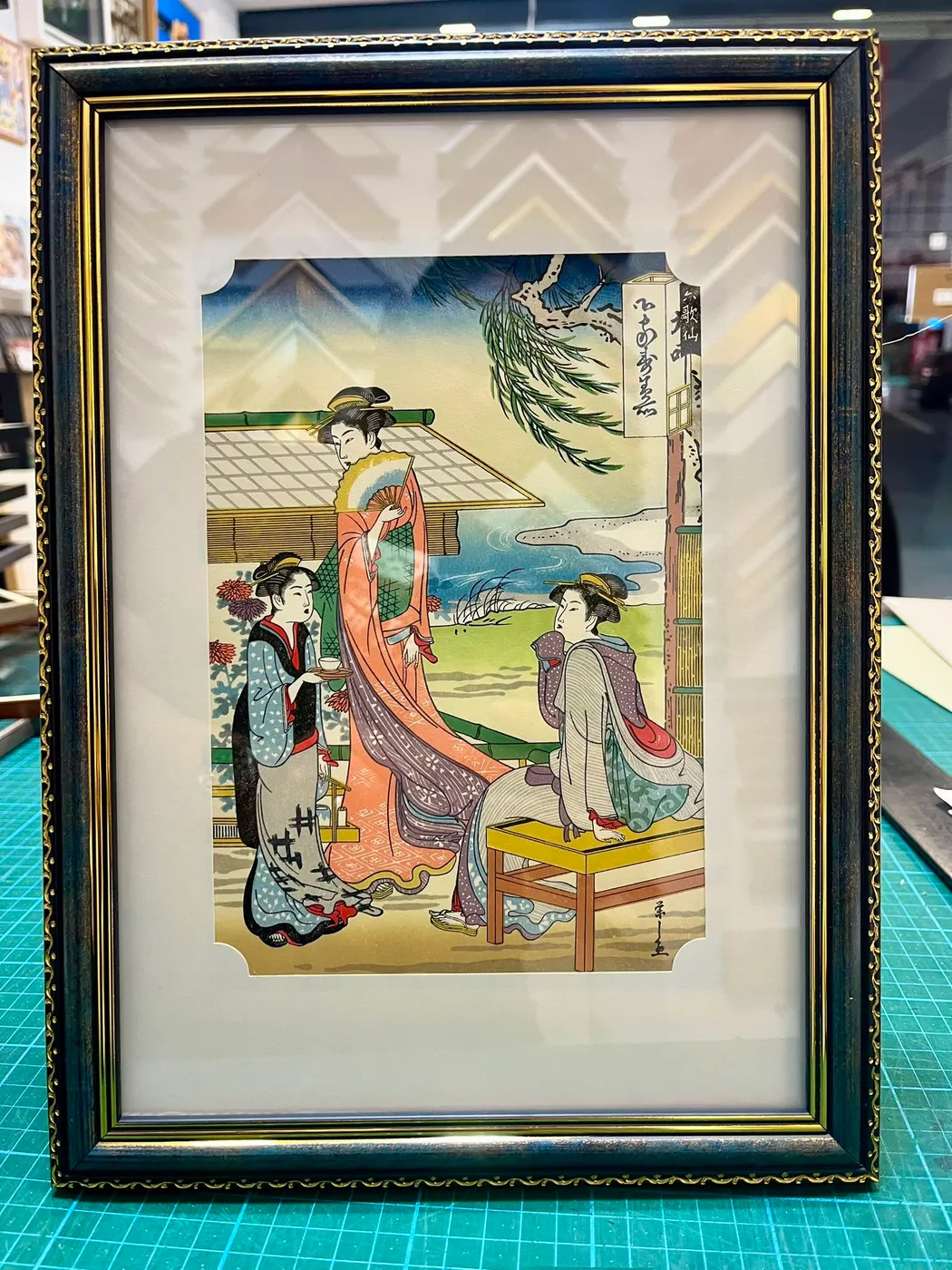
- Bring your piece to the studio
- Choose a frame and get a quote on the spot
- Pick it up when it is ready
What a mat is
A mat, also called a passe-partout, is a thick board cut with an opening in the middle. The picture sits behind it, and the opening defines exactly how much of it shows. The result is an even border in the color of your choice surrounding the picture inside the frame.
It isn't a thin sheet of paper laid around the picture but a board several millimeters thick. That thickness is exactly what creates the physical gap between the picture and the glass, and that's one of its main jobs.
The opening is cut at a bevel, so its edge reveals a thin white line. The line is tiny, but it's what gives a mat its professional finish instead of looking like a hole cut in cardboard.
What a mat does for a picture
It gives the picture room to breathe. Without a mat the picture touches the molding, and the eye jumps straight from the wall into the image. The even space around it creates a pause, which is why a picture with a mat looks more "expensive" than exactly the same picture without one.
It keeps the paper off the glass. That isn't just aesthetic: paper pressed against glass for years can stick to it or collect moisture, and on photos and certificates that damage can't be undone. The mat creates the gap that prevents it.
And it lets you frame a small piece in a large frame. A 13×18 cm photo in a frame of the same size disappears on the wall; the same photo with a wide mat in a 30×40 cm frame becomes a piece with presence.
How wide should the mat be?
For most jobs, 4–7 cm on each side gives a balanced result. Small pictures, up to about 20×30 cm, lean toward the lower end of that range; large pictures and art prints you want to show off lean toward the wider end.
The rule that helps you decide: the mat should be wide enough to look like a decision. A mat of a centimeter and a half looks like a measuring mistake, not a choice. If you're adding one, it should have some presence.
There's also an old trick worth knowing: a bottom margin slightly wider than the top. The eye reads the center of a picture a little above its geometric center, so a perfectly symmetrical mat can sometimes make the picture look as if it's sinking. Adding a centimeter or two at the bottom corrects that. It's subtle, but you feel it.
Color and cut
Off-white or cream is the safe default, and it never competes with the picture. It's the right choice when the picture itself is colorful or busy, and when you want the frame to disappear and leave the stage to the picture.
A colored mat works beautifully when you pick a color that already appears in the picture: the blue of the sky, the brown of the wood. It works less well when chosen to match the wall: walls get repainted and furniture changes, and the picture stays.
You can also have a double mat: two boards on top of each other, with the lower one showing by a few millimeters to create a narrow line in another color. It adds depth and picks up a color from the picture without taking up space. On certificates and awards it's a small addition that makes a significant upgrade.
In practice, none of these decisions really gets made from a list. At the studio we lay a few shades beside the picture, and within two minutes you can see which one works.
When you don't need a mat
On a stretched canvas: there's no paper, no glass, and nothing to separate. A canvas hangs as it is or gets an outer frame.
In a floater frame, where the whole idea is an open gap around the work instead of a board. A mat there would cancel the effect.
And on works whose composition runs right to the edge, or a poster whose design already includes its own white margins. In that case an extra mat just creates two white frames one inside the other.
In every other case, a photo, a certificate, an art print, a drawing on paper, embroidery, a mat almost always improves things. But it isn't required, and it's a decision you can see with your own eyes before you commit.
Custom mats at the studio
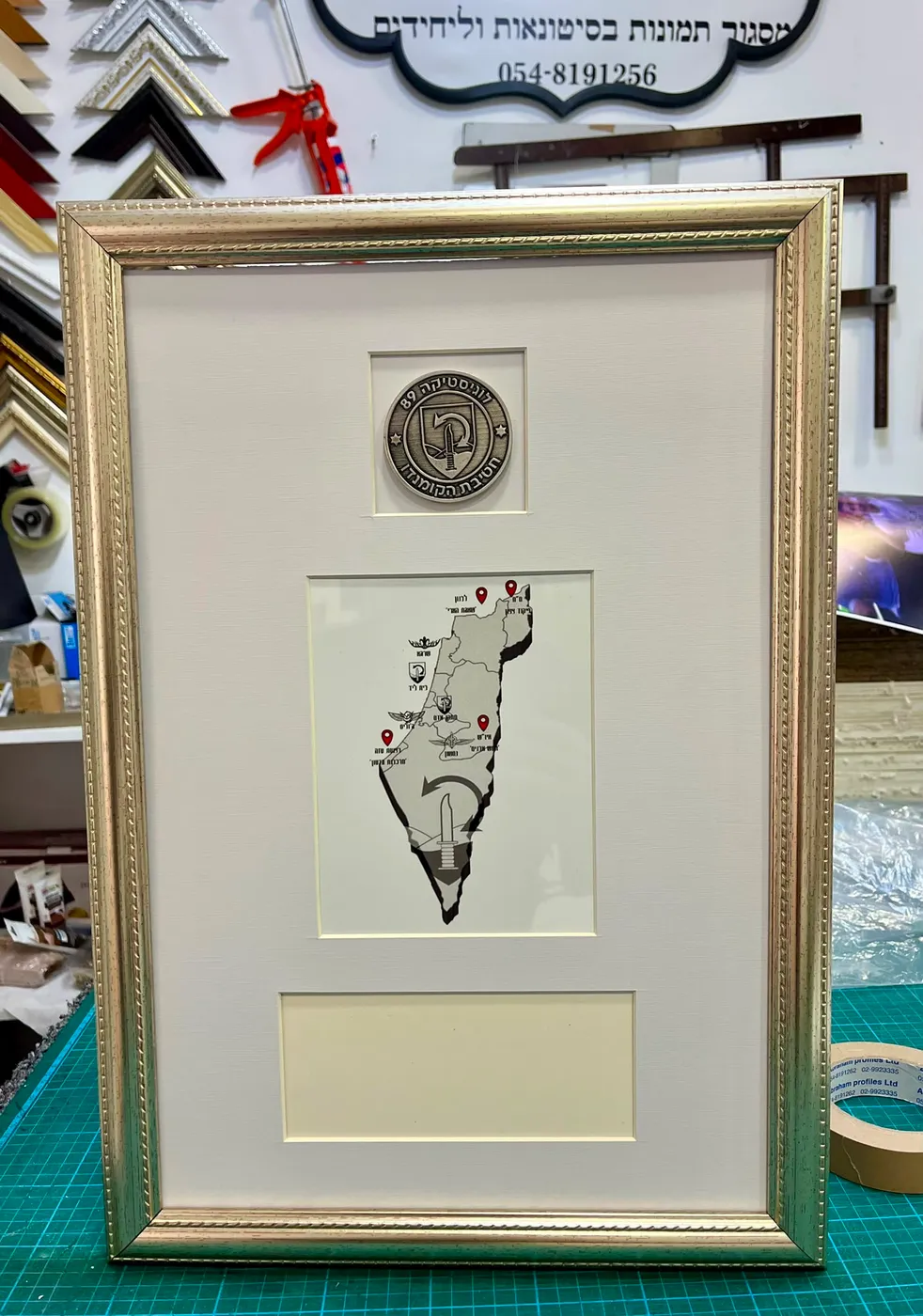
We cut mats to the size of the picture you bring, rather than fitting the picture to an existing opening. That's what makes it possible to put a panoramic photo, an unusually sized piece, or several small photos in one mat with multiple openings.
You can also add a mat to a frame you already have, as long as it has enough room for the extra depth. Bring the frame and the picture together and we'll see what can be done.
Come to 3 Naftali Palatin St., Booth 147, Rishon LeZion, with no appointment needed and free parking nearby. We measure, try a few shades and widths against the picture itself, and you get a quote based on what you choose.
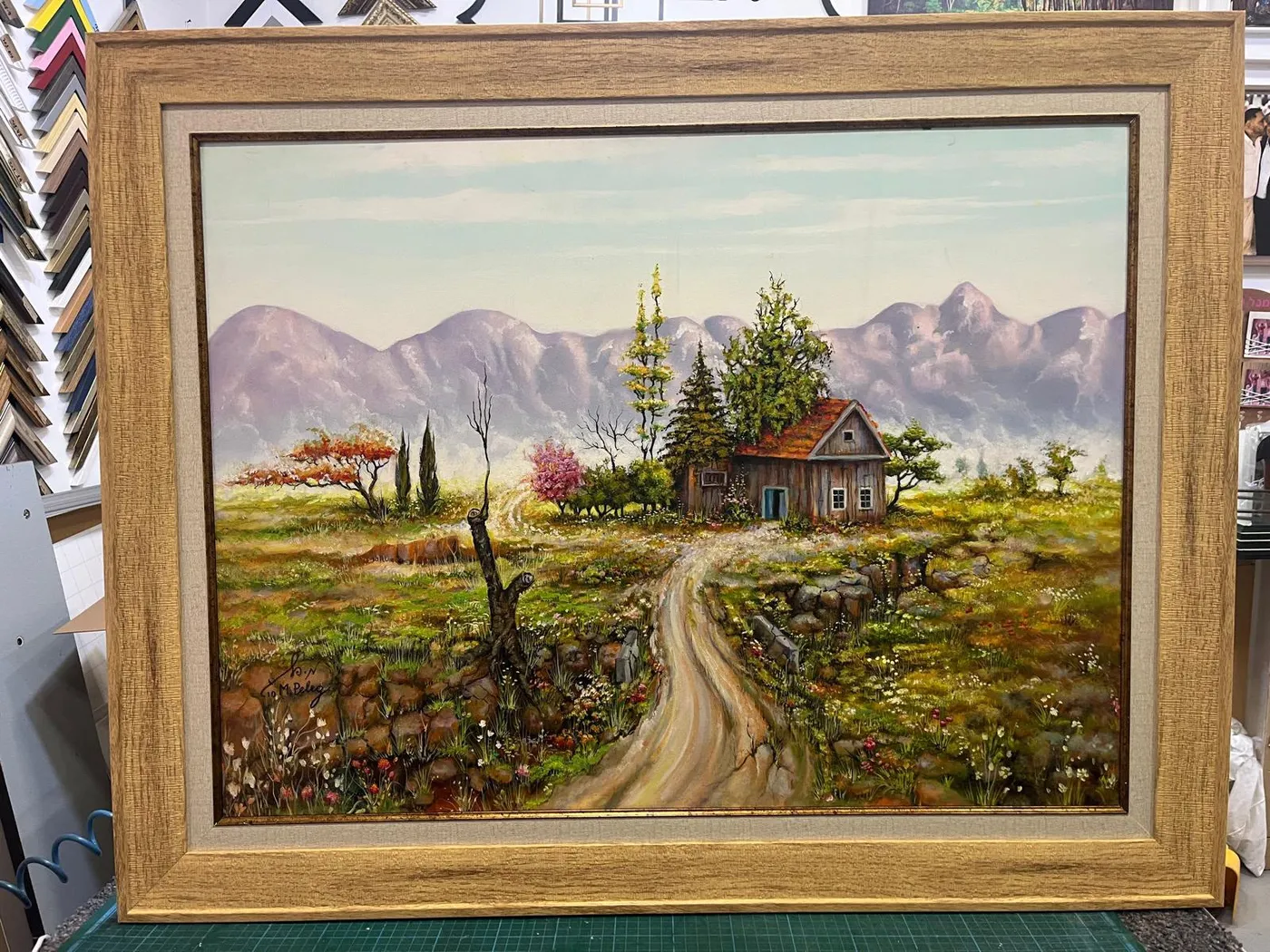
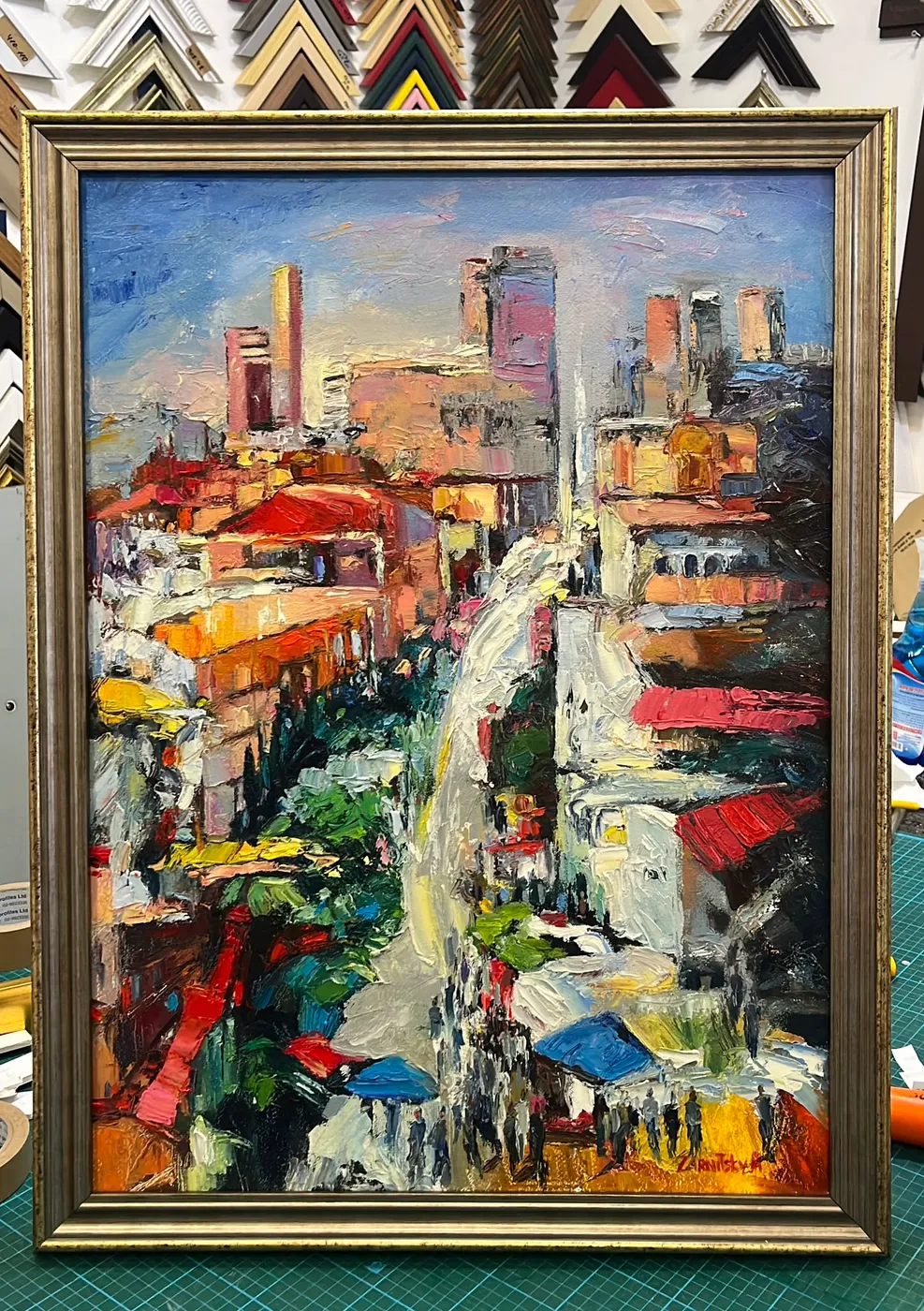
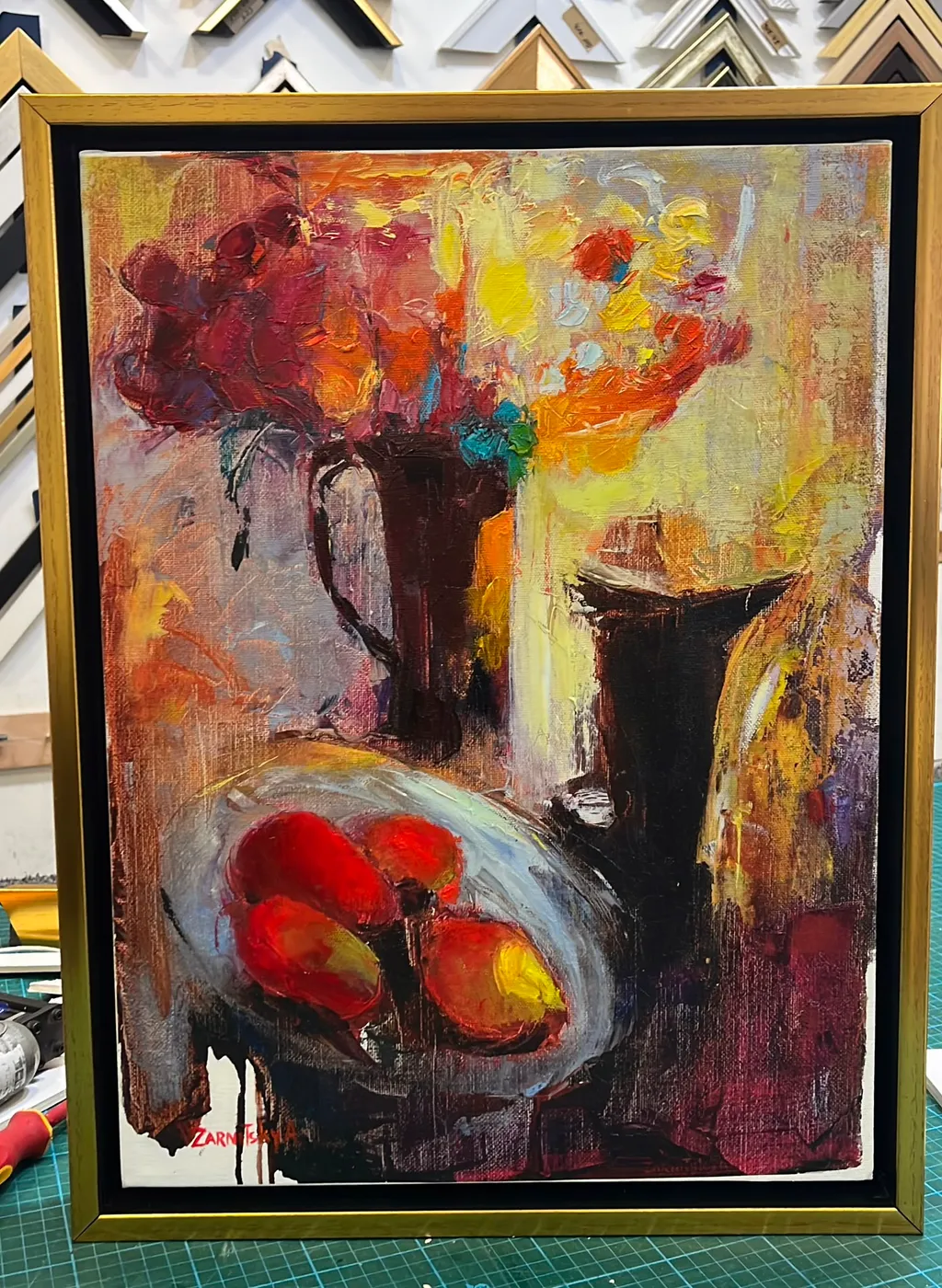
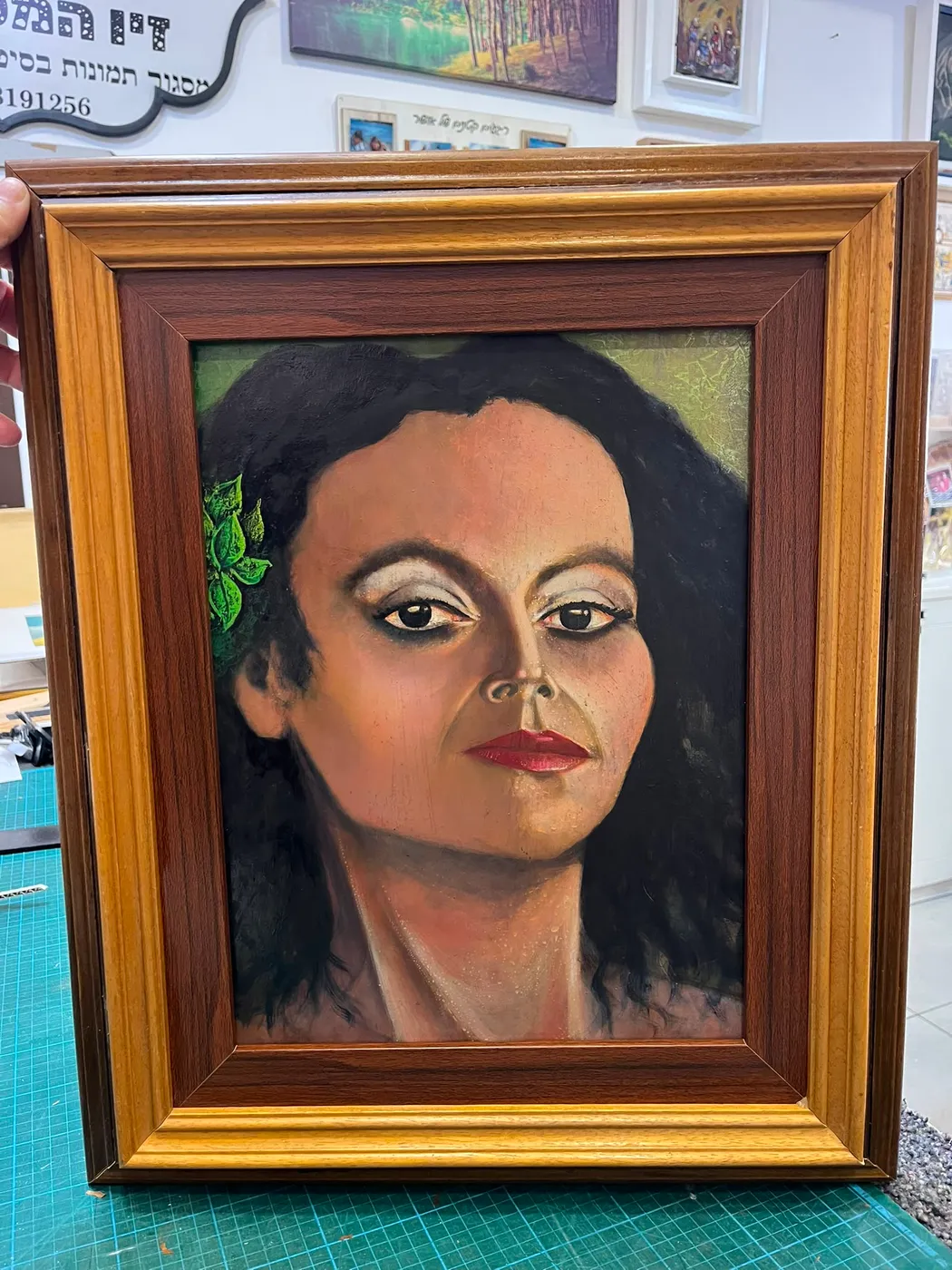
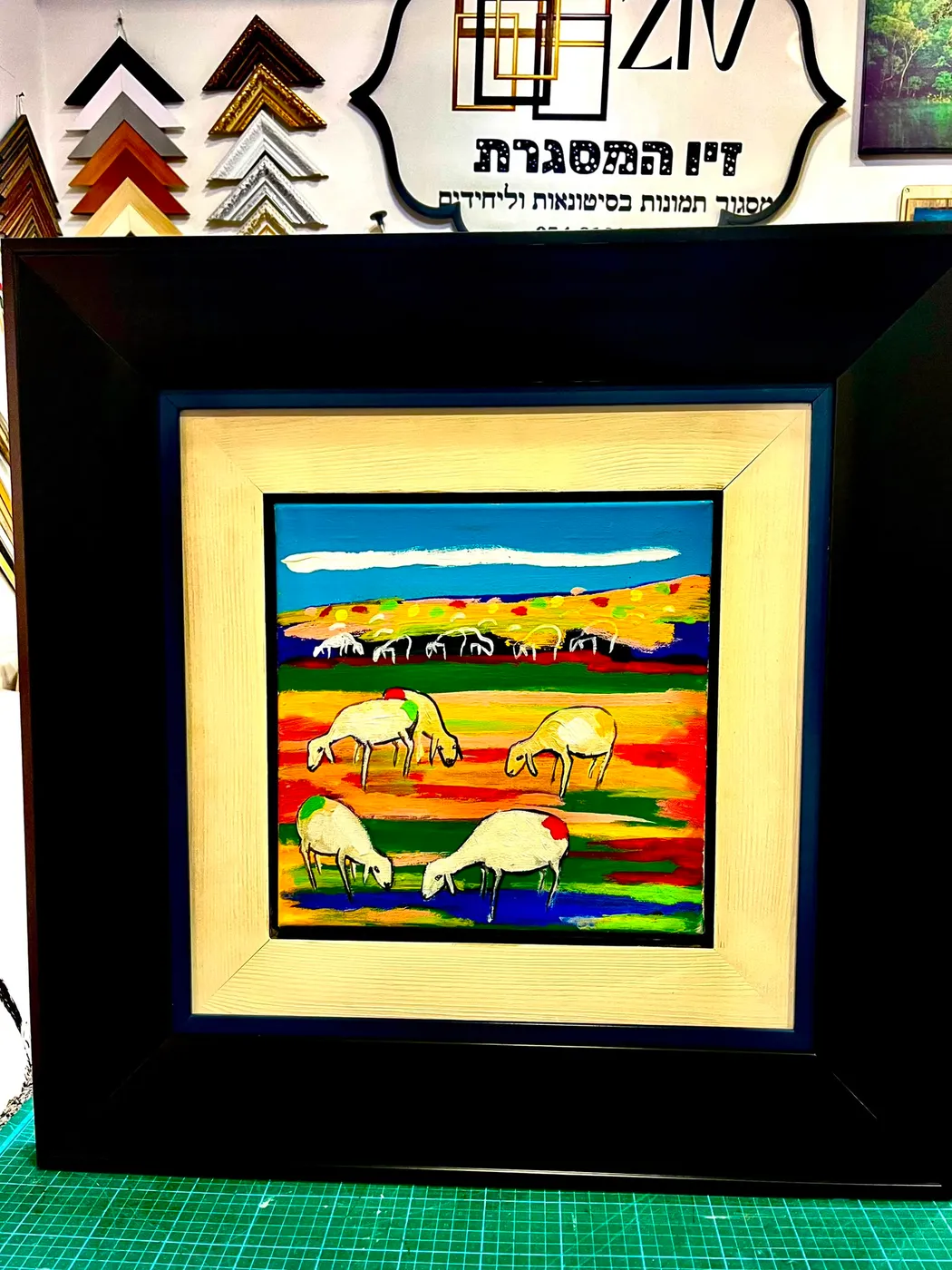
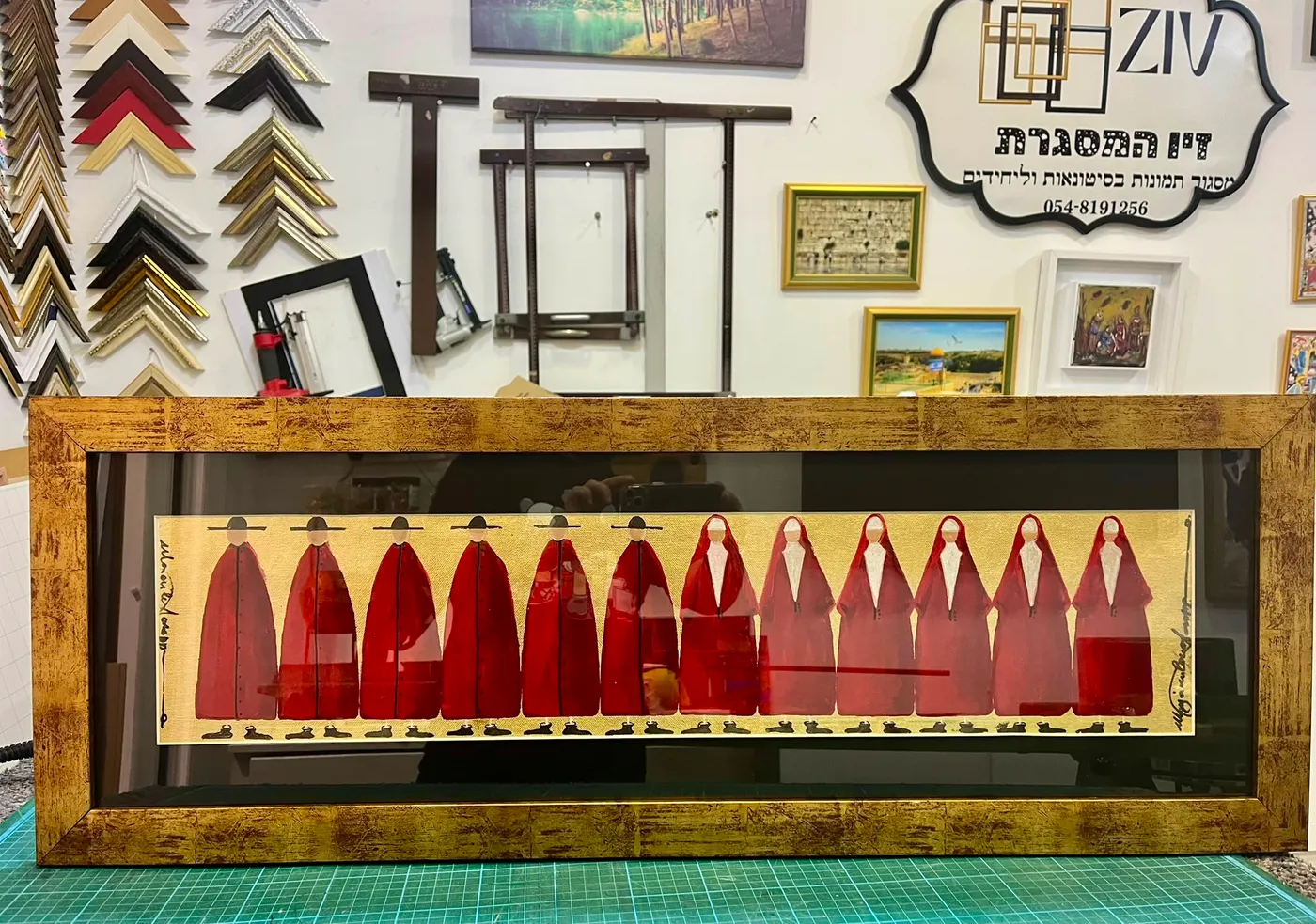
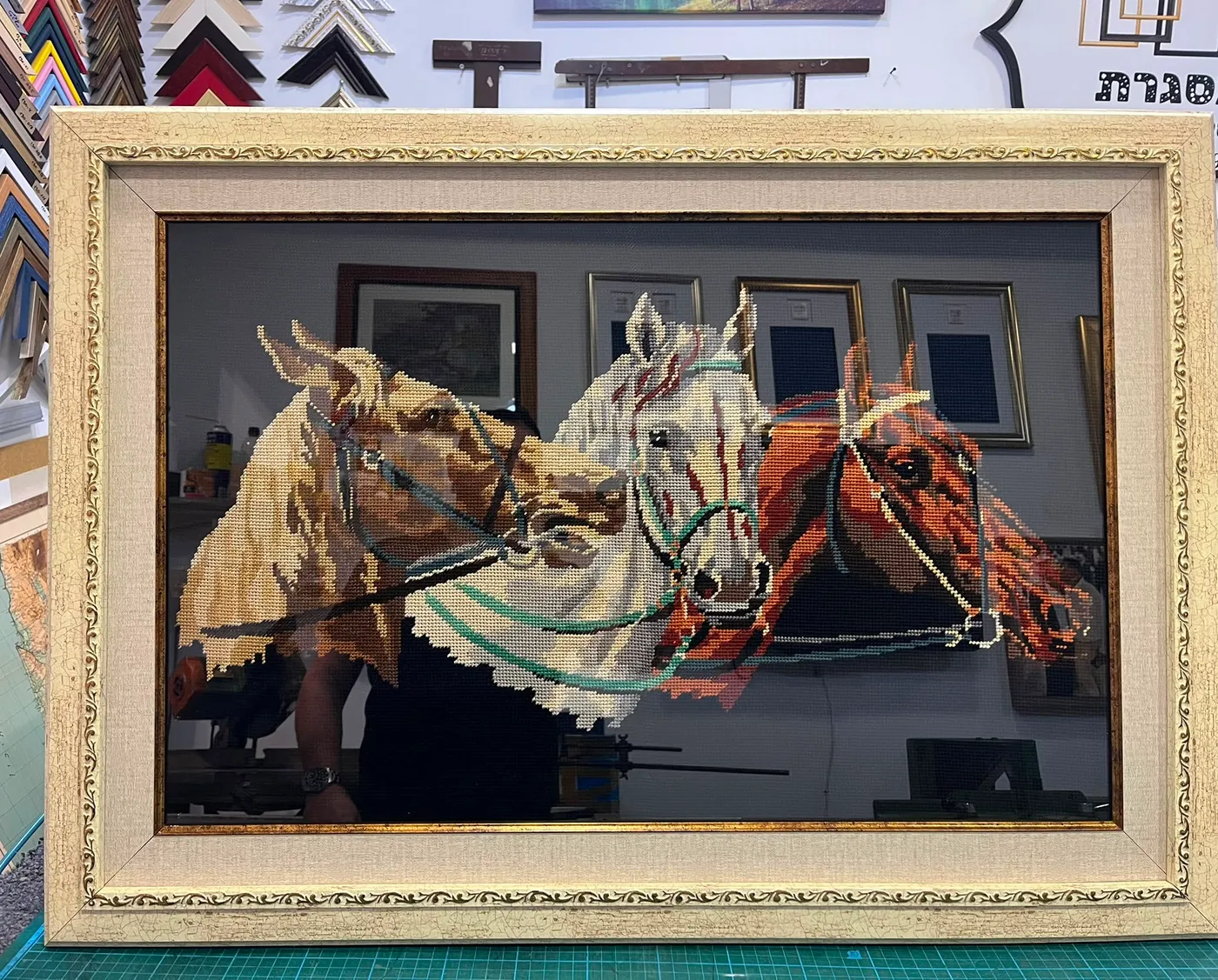
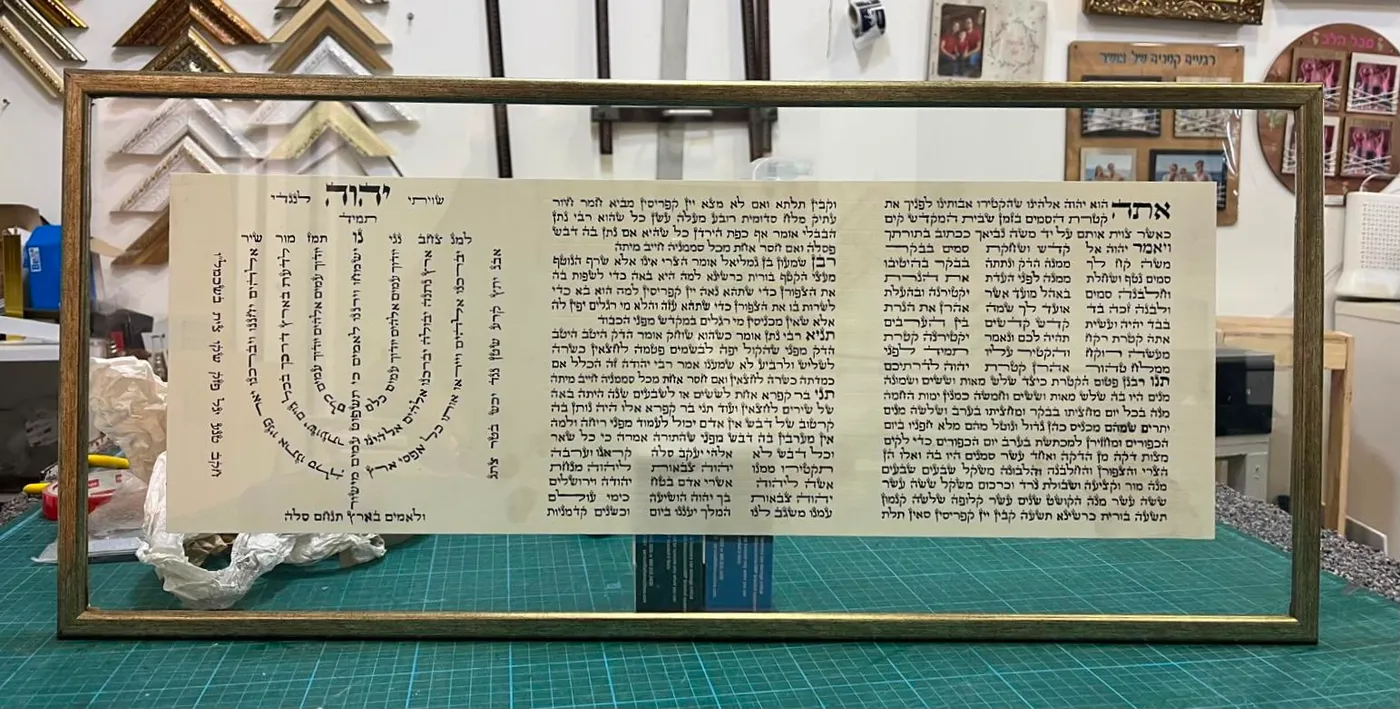
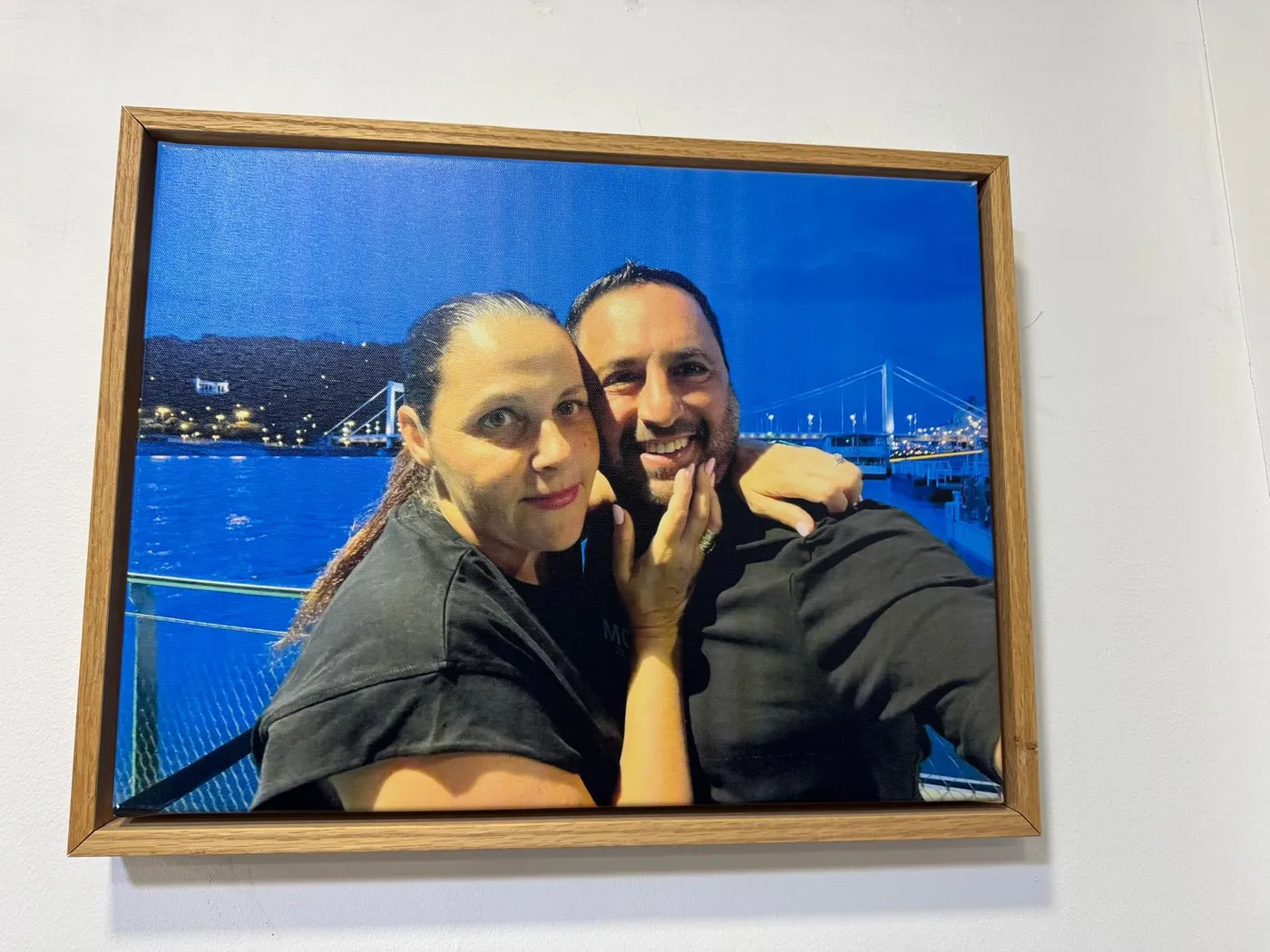
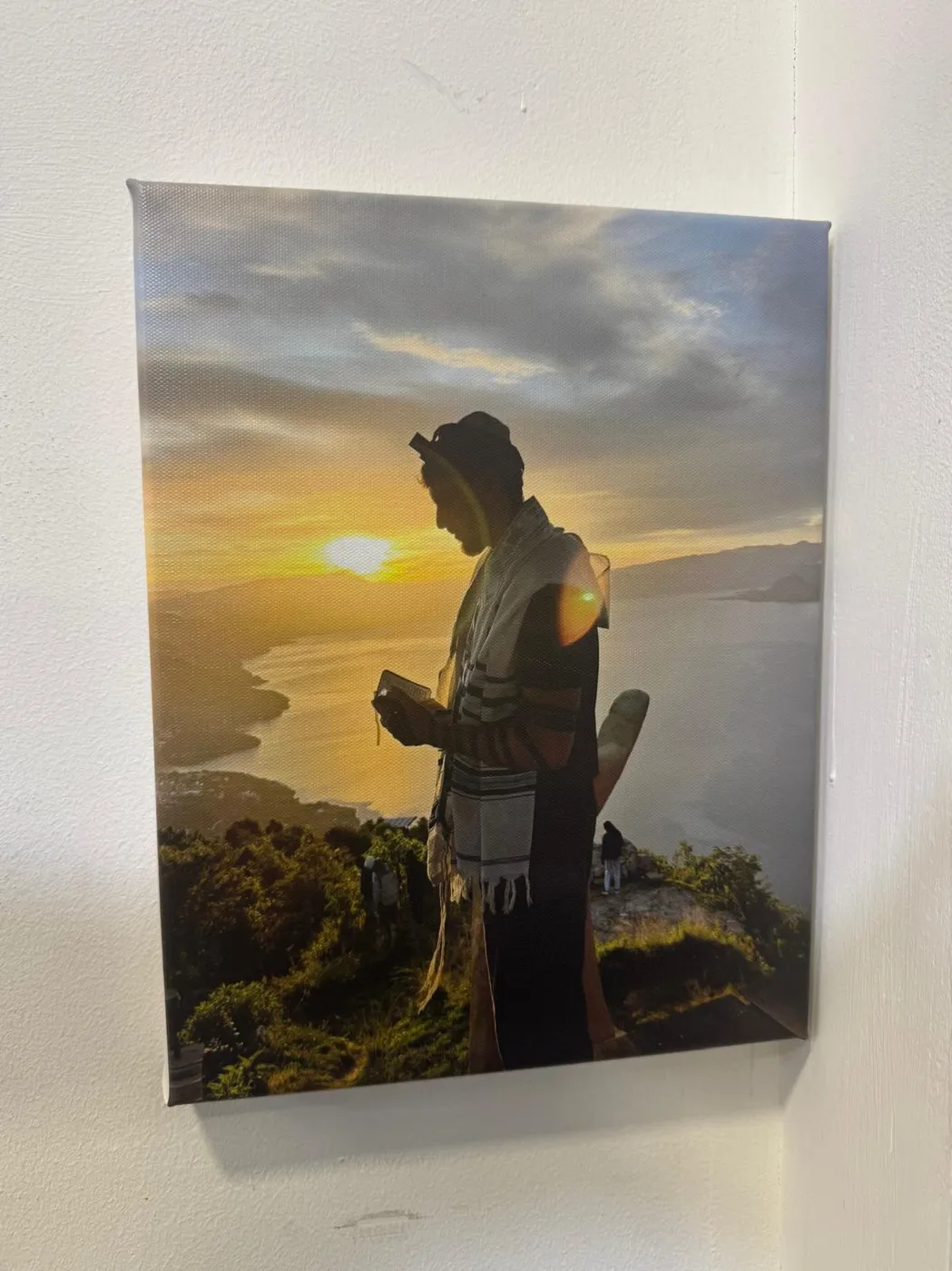
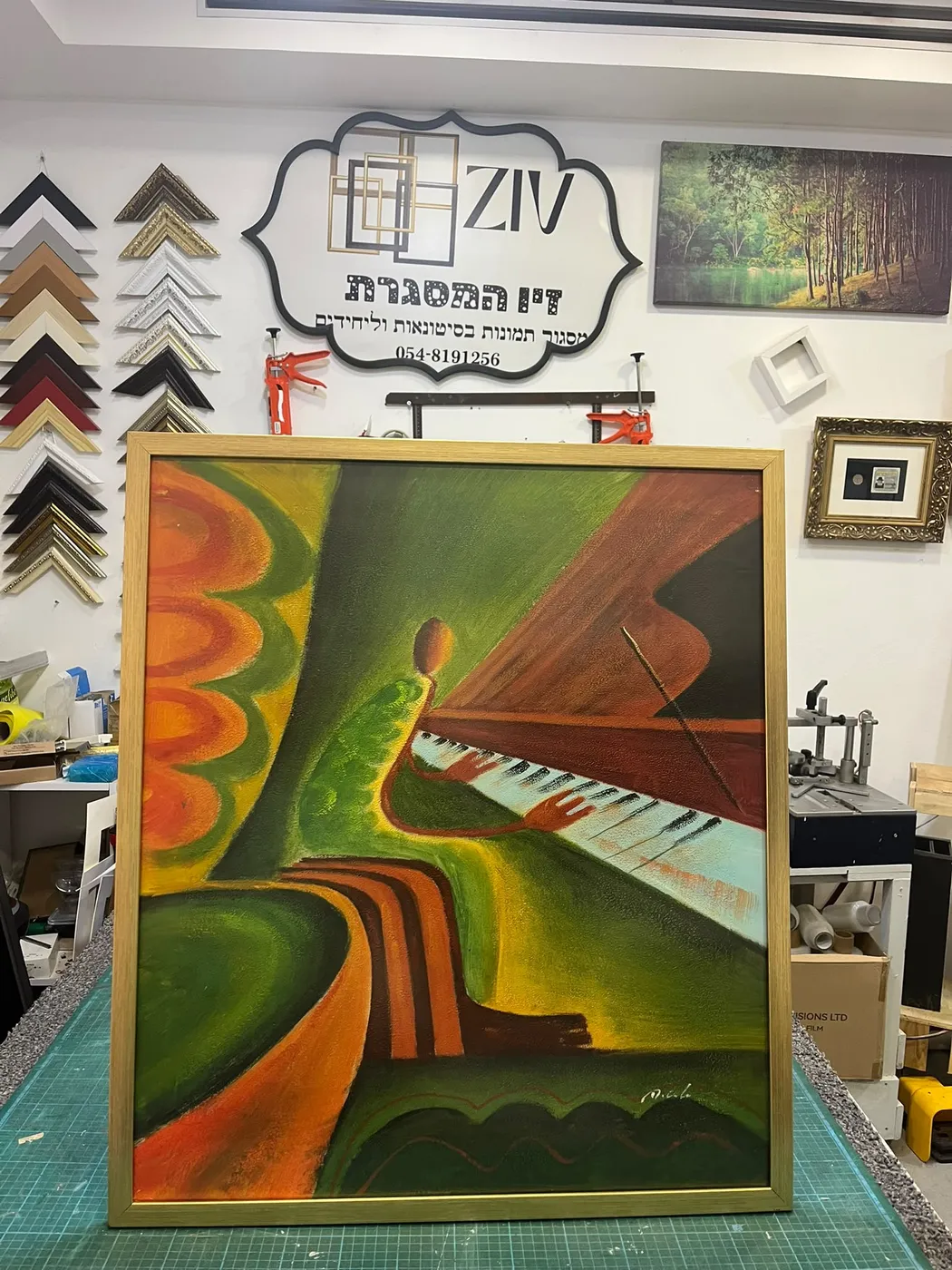
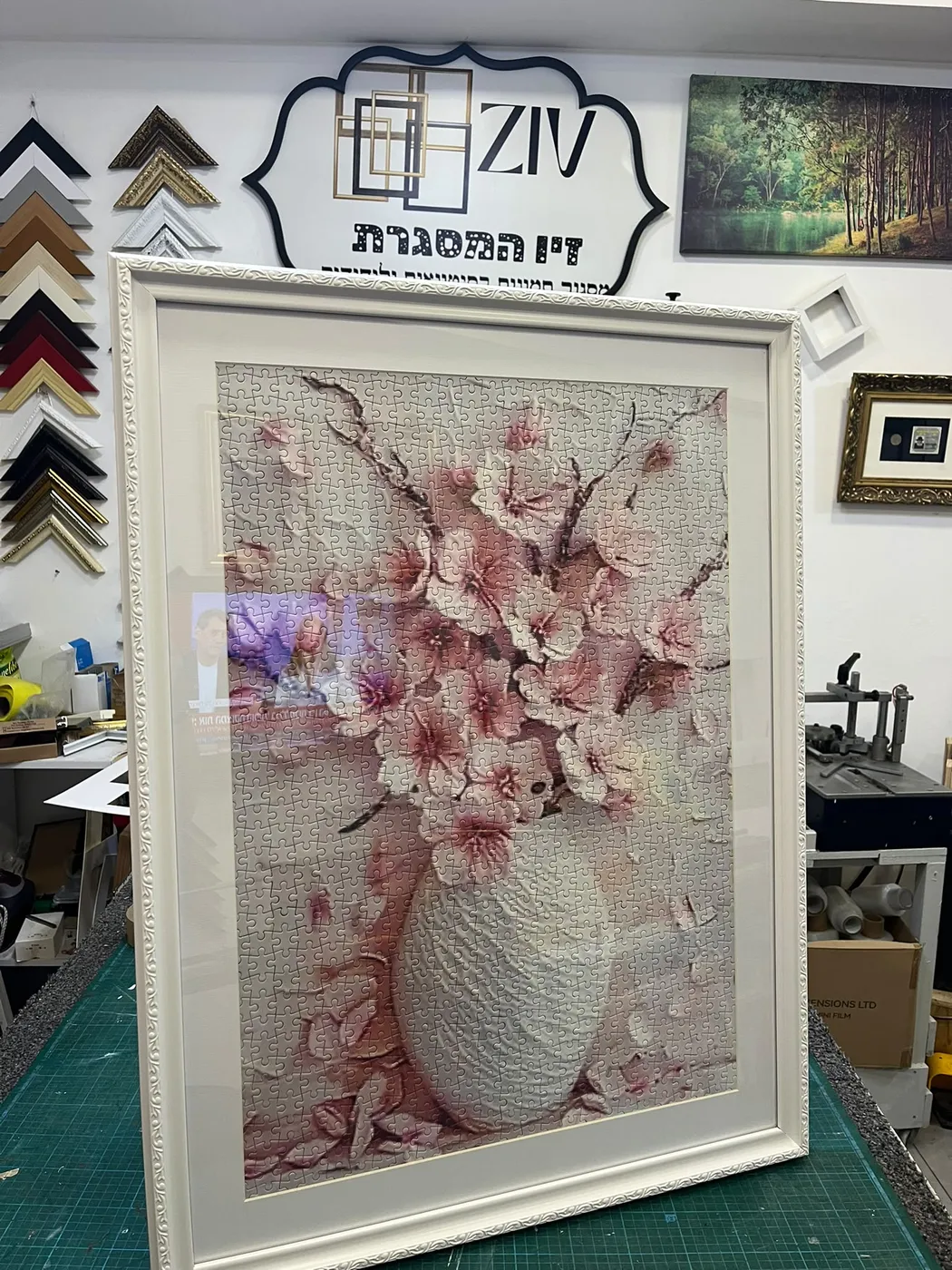
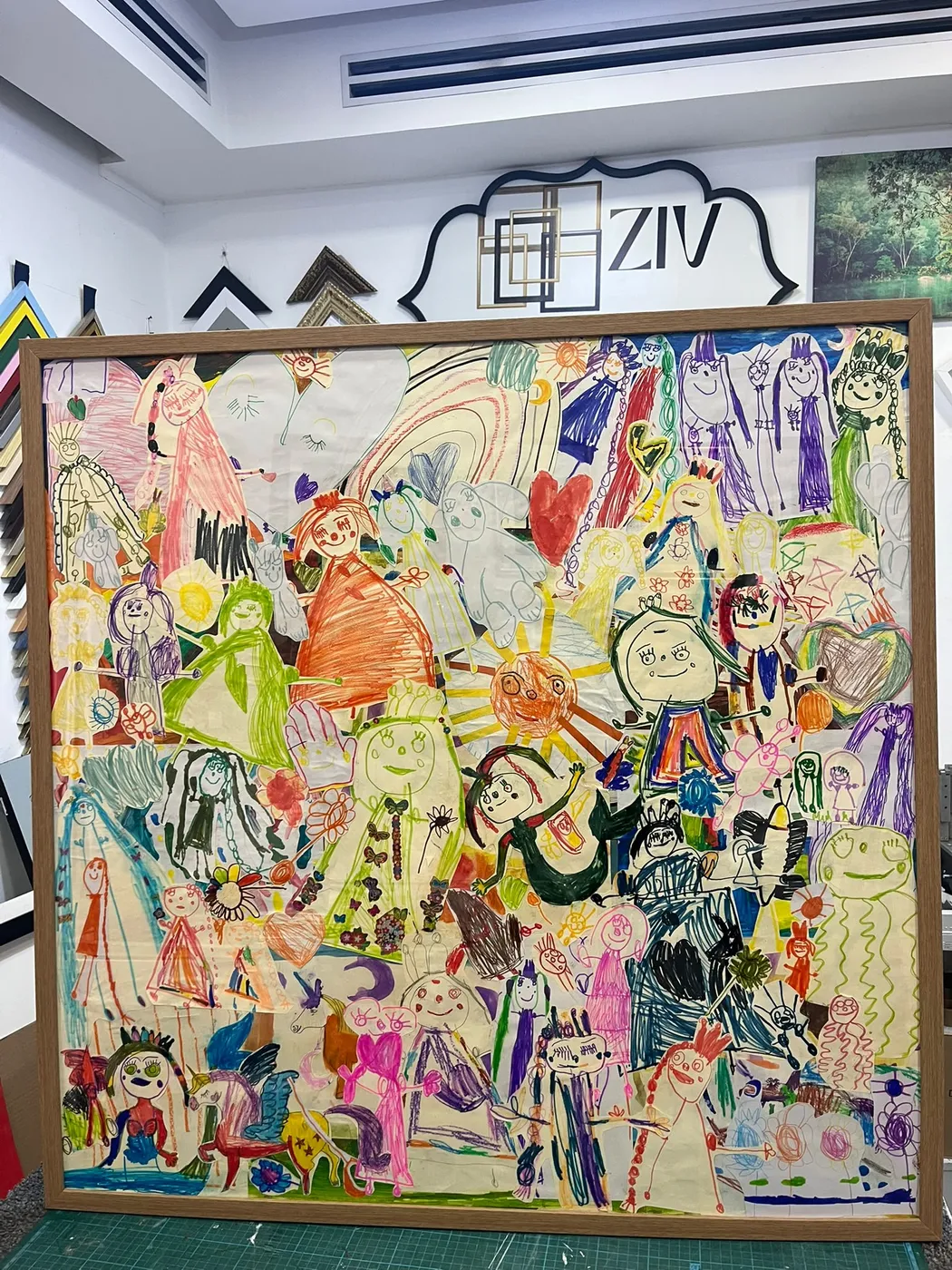
Mats in work from the studio
What our customers say
Reviews are shown in their original Hebrew, as posted on Google.
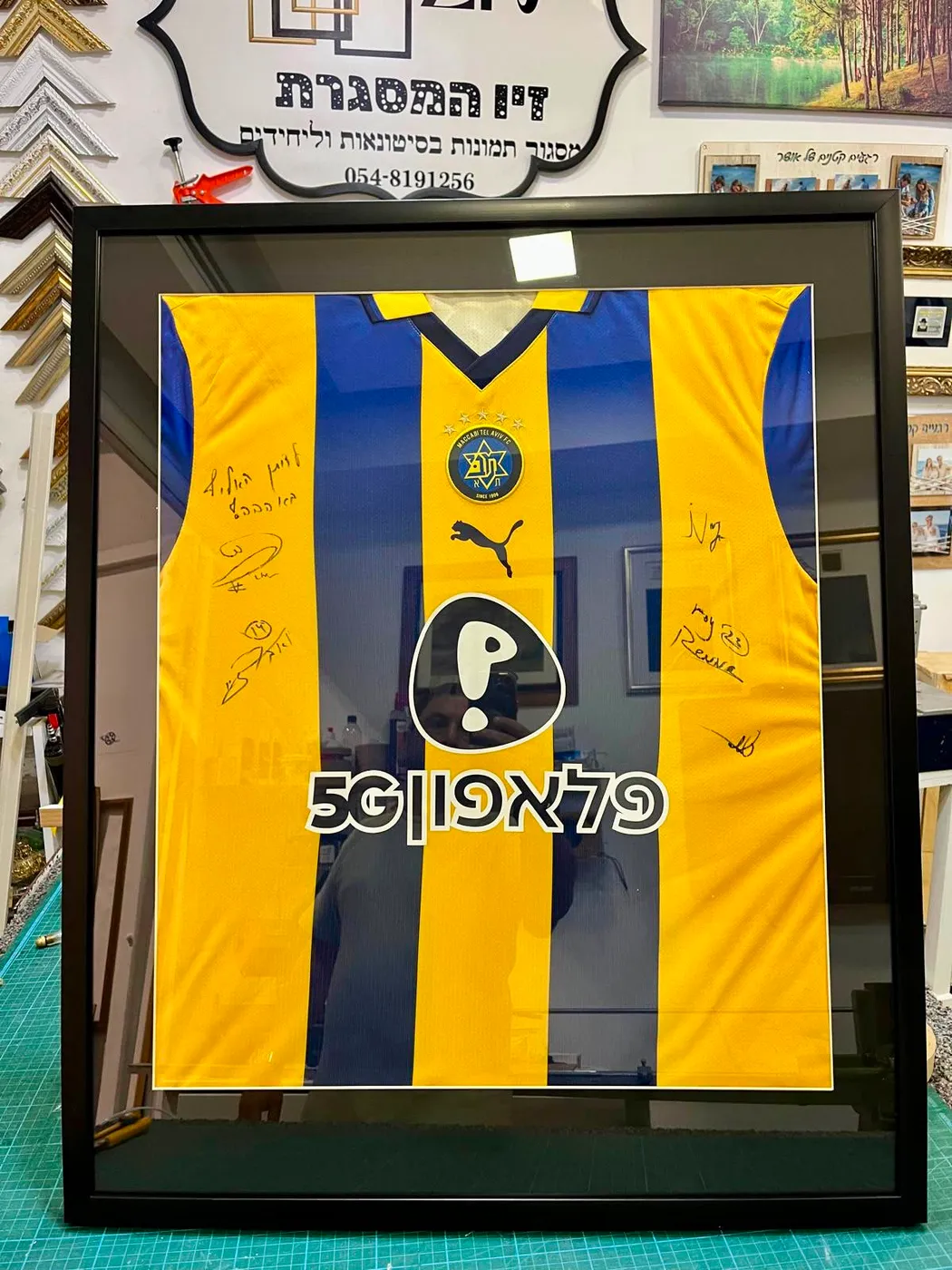
חוויית שירות מעולה מההתחלה ועד הסוף. קיבלתי מענה מהיר ומקצועי, עם יחס אדיב ונכונות אמיתית לבוא לקראתי. המחיר הוגן ושווה כל שקל. הזמנתי מסגרת לחולצה והתוצאה הסופית פשוט אליפות – עבודה מדויקת ואיכותית. ממליץ בחום לכל מי שמחפש עבודה ברמה גבוהה וראש שקט
שליו אברגילהגעתי דרך גוגל וגיליתי את זיו אדם אדיב ונחמד ישבנו לקפה עזר לי להתאים את המסגרת שמתאימה בול לציור שלי ממליץ בחום
יגאל מורמדהים!!!! מקום מדהים! זיו שירותי מאד ! מחירים הוגנים ובדקתי כמה חנויות. ממש ממש מרוצה
ספיר כהןשירות ואיכות ברמה הכי גבוהה שיש!!
Tomas Siעבודה מקצועית, שירות אדיב
Barry GreenOur work
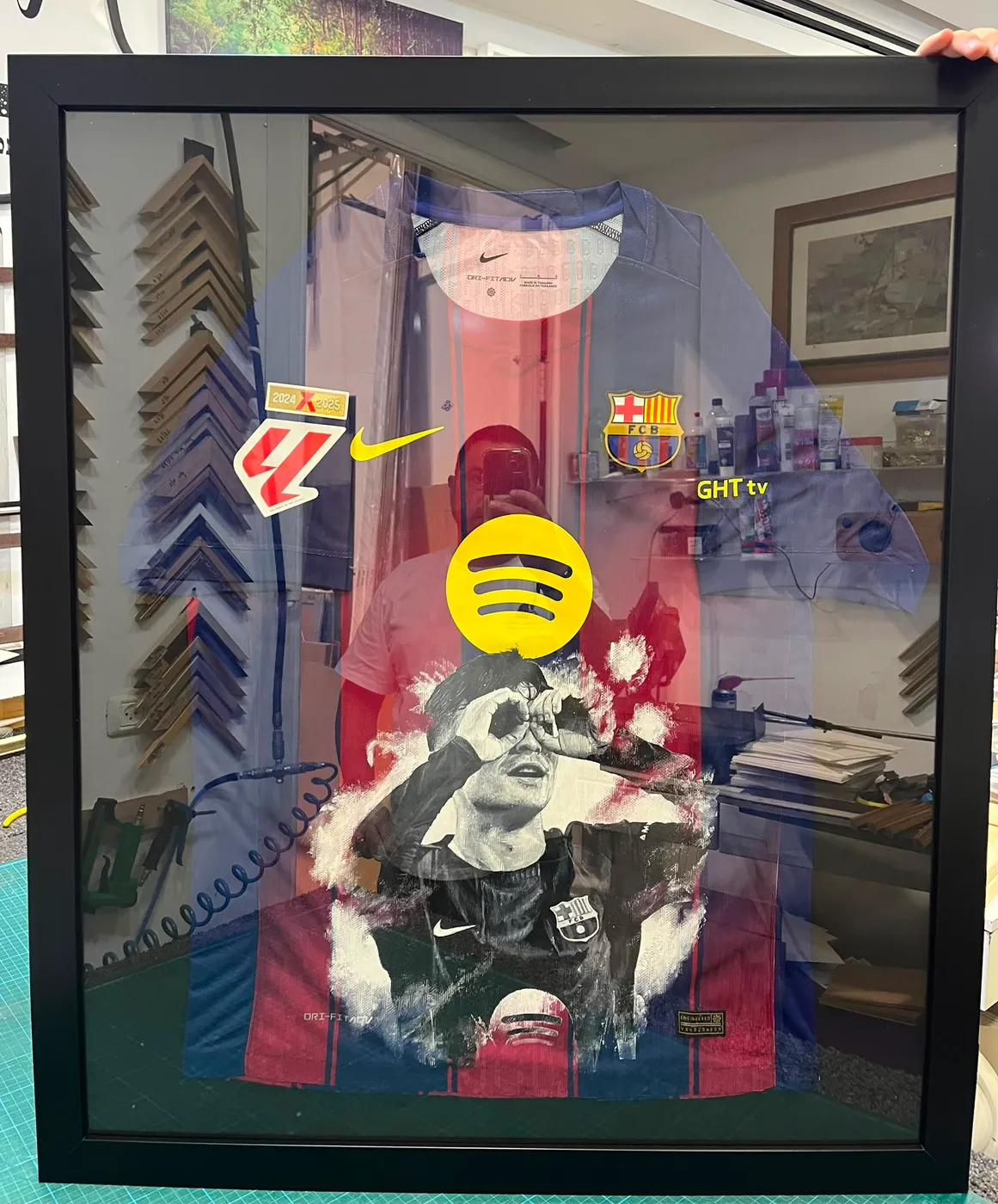
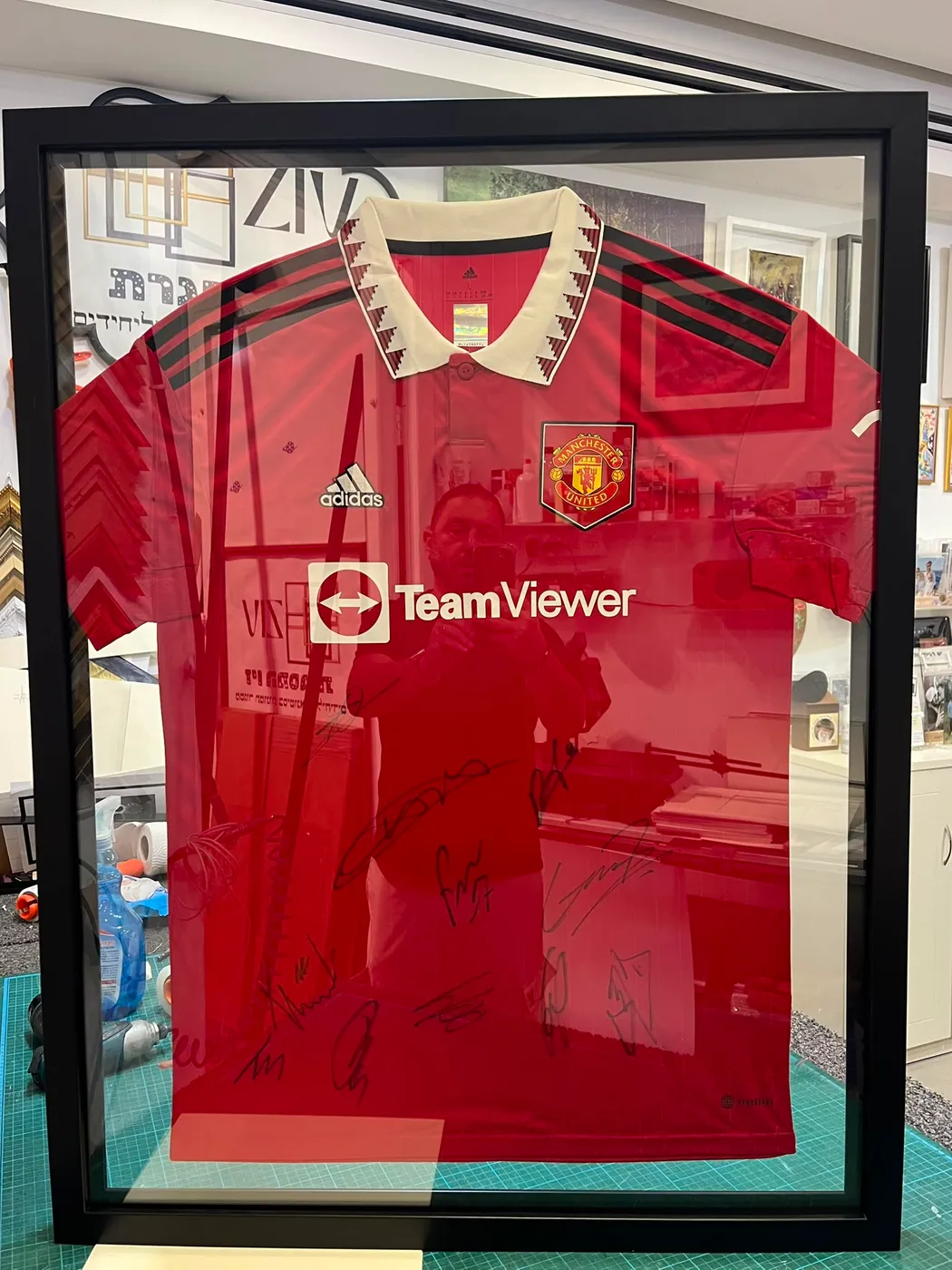
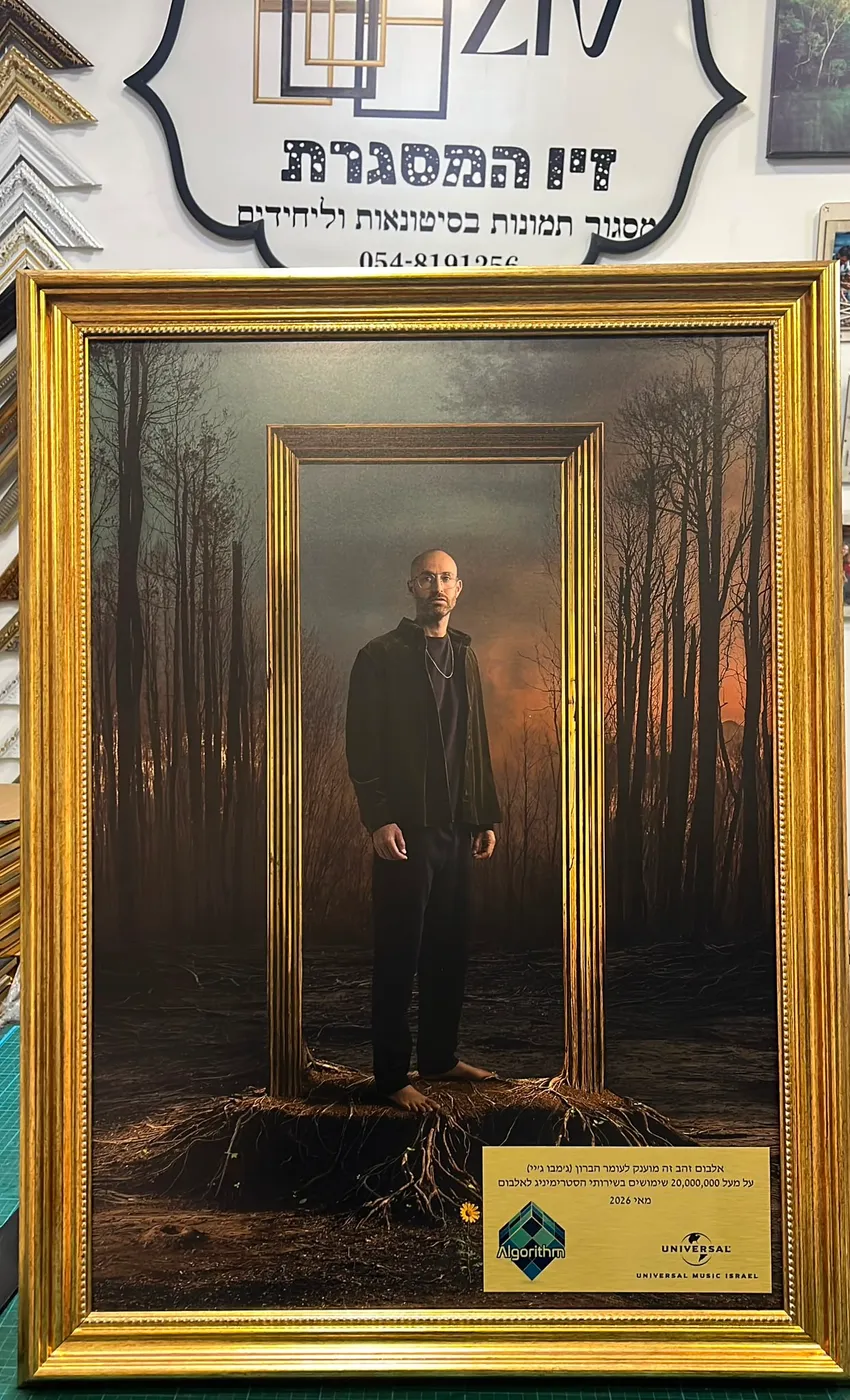
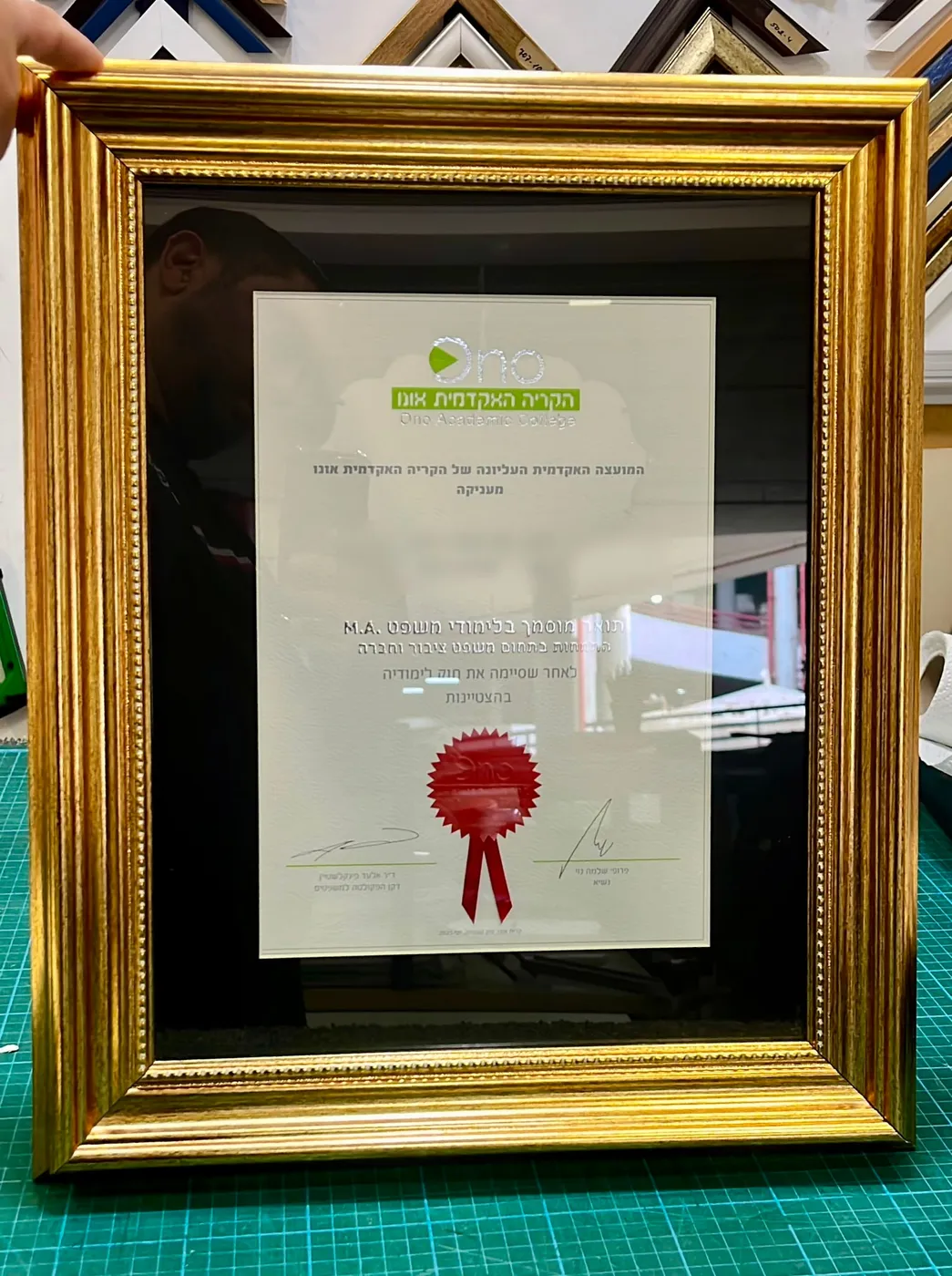

Frequently asked questions
What is a mat?
A mat is a thick board with an opening cut in the middle, placed between the picture and the frame to create an inner border in a single, even color. It gives the picture room to breathe and keeps the paper from touching the glass.
How many centimeters of mat do I need?
For most jobs, 4–7 cm on each side. Small pictures lean toward the lower end and large ones toward the wider end, and the bottom margin is usually left a centimeter or two wider so the picture doesn't look like it's sinking.
Can a mat be added to an existing frame?
Usually yes, if the frame has enough depth for it. Bring the frame and the picture together to the studio and we'll check.
Does a mat make the frame more expensive?
It adds to the cost, but usually less than people expect, and sometimes it saves money: a small picture with a wide mat doesn't need a bigger print.
What color mat should I choose?
Off-white or cream is the safe choice that never competes with the picture. A colored mat works beautifully when it picks up a color already in the picture, and less well when chosen to match the wall.
Sources and further reading
- CCI Note 11/5: Matting Works on Paper Canadian Conservation Institute: making mats for works on paper, including reversible mounting that lets the paper move with changes in humidity.
- CCI Note 11/9: Framing Works of Art on Paper Canadian Conservation Institute: how a framing package is built, with an acid-free backing and a space that keeps the work away from the glass.
More services
How to find the studio
3 Naftali Palatin St., Booth 147, Rishon LeZion