הגעתי למסגר תמונה וקיבלתי שירות מדהים מזיו. סבלני, מקצועי, אדיב ועם יחס אישי שלא רואים בכל מקום. עזר לי לבחור את המסגרת המתאימה ונתן תחושה שבאמת חשוב לו שהכול ייצא מושלם. ממליצה מאוד לכל מי שמחפש שירות איכותי וחוויית לקוח נעימה. תודה רבה
סיון אגי 5.0 · 94 Google reviews
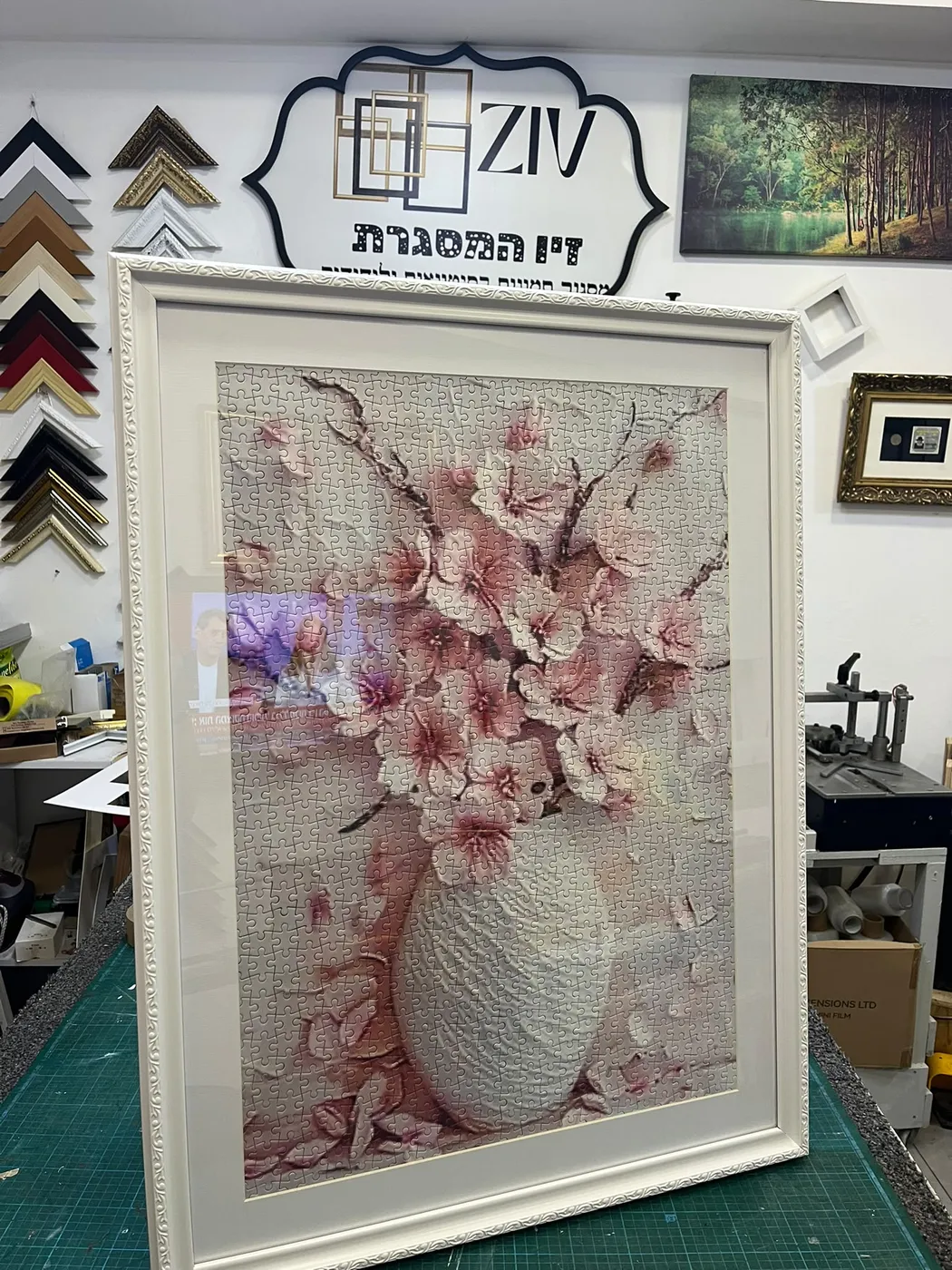
Puzzle frames
Framing a puzzle preserves the hours that went into it and turns it into a picture you can hang. We stabilize and frame finished puzzles to measure, including large ones.
Walk in during opening hours. Free parking, no appointment needed. Rather ask first? Message us on WhatsApp.
- Studio in Rishon LeZion
- Most jobs ready within two business days
- Personal advice, 30 years of experience
- Bring your piece to the studio
- Choose a frame and get a quote on the spot
- Pick it up when it is ready
Stabilizing a puzzle before framing
Before a puzzle goes into a frame, it has to become one stable surface. You can bring a puzzle that is already glued, or leave that part to us: we check that the pieces sit flat, reinforce the back and level the surface before measuring. That way the puzzle doesn't come apart in transport or sag inside the frame after it is hung.
The safe way to bring us a puzzle that isn't glued yet is to slide it, without lifting, from the surface it was built on onto a rigid board or thick cardboard of the same size, and lay paper or plastic wrap over it for the trip. A puzzle lifted into the air splits along its weakest line, and reassembling it at the studio isn't part of the job.
There is a real difference between a puzzle built on a rug or a bed and one built on a hard surface. The first almost always arrives with slight waves, and those are flattened before gluing, not after: once the glue has set, the wave stays in.
Adhesive sheets or liquid glue
We usually prefer a dedicated adhesive sheet or an adhesive made for puzzles. An adhesive sheet sticks to the back of the puzzle, keeps the front completely clean and adds only a little thickness. It is what we recommend when the puzzle should stay exactly as it looked the day it was finished.
Liquid glue is spread on the front and seeps between the pieces, so it gives fuller reinforcement: a good choice for a large puzzle that will hang on a wall and carry its own weight for years. The trade-off is that it slightly changes the finish (the surface comes out more even and sometimes a little glossy) and it can't be undone. It has to go on in thin, even coats; a coat that is too thick is the most common cause of waves in a glued puzzle.
There is also a third way: framing with no glue at all, where the puzzle is held between the backing and the glass under gentle pressure. That suits relatively small puzzles and a frame that stays put, since a hard knock can shift pieces. If the puzzle is valuable, old, a limited edition or meant for permanent display, talk to us before gluing it at home, because that choice can't be reversed later.
Glass or acrylic for a large puzzle
Glazing protects from dust and improves the display, but on a large puzzle it is also the heaviest part of the job. Good-quality regular glass suits most puzzles and gives full clarity, and it is our default.
For puzzles with a large surface (1,500 pieces and up, and especially panoramic puzzles) it is worth considering acrylic instead of glass. It weighs about half as much, which is easier on the hanging hardware and the wall, and it doesn't shatter if the frame falls. In return it scratches more easily, so it shouldn't be wiped with a dry towel.
Either way we choose a deep frame and a strong backing, and leave the right gap between the puzzle and the glazing so it doesn't press on the pieces. If the puzzle will hang facing a window or strong lighting, we can also look at an option that reduces reflections: a puzzle is a picture with texture, and glare hides it more than it would a flat print.
Common puzzle sizes
A 500-piece puzzle is usually a fairly compact job, often around 48×34 cm, and suits a basic frame. A 1,000-piece puzzle is commonly around 70×50 cm; 1,500 pieces gets close to 85×60 cm, and a 2,000-piece puzzle can reach about 98×75 cm or more. Panoramic puzzles break these proportions entirely and can reach a meter and a half wide at a low height.
These numbers are only a starting point: different manufacturers cut pieces at different sizes, and two 1,000-piece puzzles can differ by several centimeters. That is why we measure the stabilized puzzle itself before making anything, rather than going by what the box says.
If you are planning where it will hang, remember that the frame adds the molding width on every side: a 70×50 cm puzzle in a 3 cm molding becomes about 76×56 cm on the wall.
A made-to-measure frame and turnaround
A puzzle is exactly the kind of job where a ready-made frame from the store can leave uneven margins, because no puzzle is a standard size. We measure the stabilized puzzle and make a frame to that size, with backing and hanging hardware suited to its actual weight.
The molding plays a visual role here too. A puzzle is usually a very detailed picture, and a narrow, clean molding (black, white or natural-toned wood) lets it breathe. A wide, ornate molding competes with the picture instead of framing it. A mat is less common with puzzles and usually isn't needed, because the puzzle fills the space on its own.
Most jobs are ready in about two business days. For large puzzles, jobs that need gluing at the studio, or special finishes, we'll tell you the turnaround in advance; glue needs drying time, and that is the one part that can't be rushed.
Puzzle framing prices
Puzzle framing prices, including gluing, frame and glass:
30×40 cm: from ₪100
40×60 cm: from ₪150
50×70 cm: from ₪200
60×80 cm: from ₪250
The final price is set by the exact size after measuring, the width and type of molding and the glazing (glass or acrylic). The number of pieces on its own decides nothing; it only roughly predicts the size. You get the exact quote at the studio once we have seen and measured the puzzle, before any work starts. A full explanation of what affects framing prices is on our framing prices page, linked at the bottom of this page.
One large puzzle costs more than two small ones with the same total area, because the glazing and backing get more expensive with size faster than the area itself does, and a long molding has to be stronger. If you have several puzzles to frame, it is worth bringing them all on the same visit.
What our customers say
Reviews are shown in their original Hebrew, as posted on Google.
חוויית שירות מעולה מההתחלה ועד הסוף. קיבלתי מענה מהיר ומקצועי, עם יחס אדיב ונכונות אמיתית לבוא לקראתי. המחיר הוגן ושווה כל שקל. הזמנתי מסגרת לחולצה והתוצאה הסופית פשוט אליפות – עבודה מדויקת ואיכותית. ממליץ בחום לכל מי שמחפש עבודה ברמה גבוהה וראש שקט
שליו אברגילהגעתי דרך גוגל וגיליתי את זיו אדם אדיב ונחמד ישבנו לקפה עזר לי להתאים את המסגרת שמתאימה בול לציור שלי ממליץ בחום
יגאל מורמדהים!!!! מקום מדהים! זיו שירותי מאד ! מחירים הוגנים ובדקתי כמה חנויות. ממש ממש מרוצה
ספיר כהןשירות ואיכות ברמה הכי גבוהה שיש!!
Tomas Siעבודה מקצועית, שירות אדיב
Barry GreenOur work

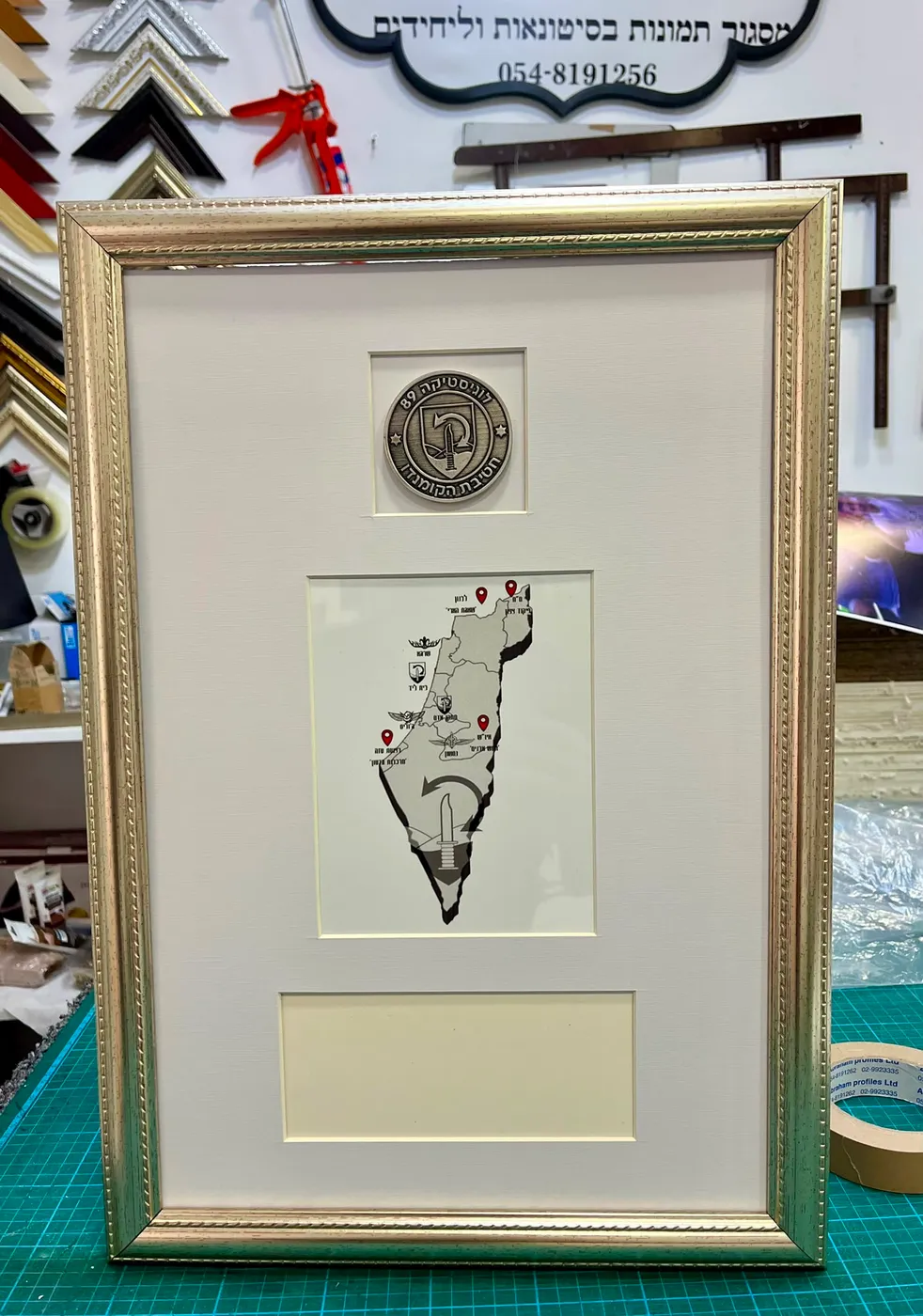
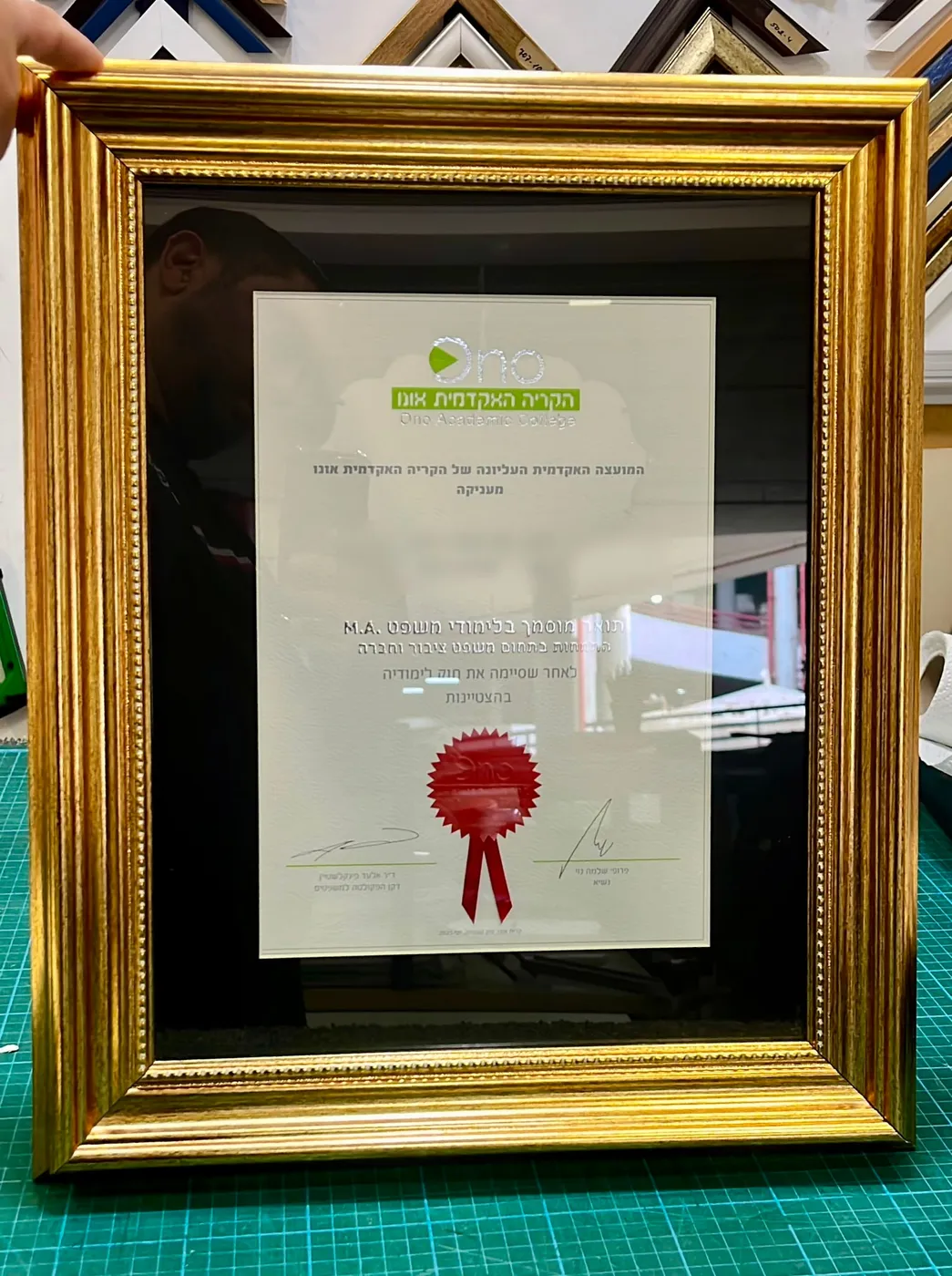
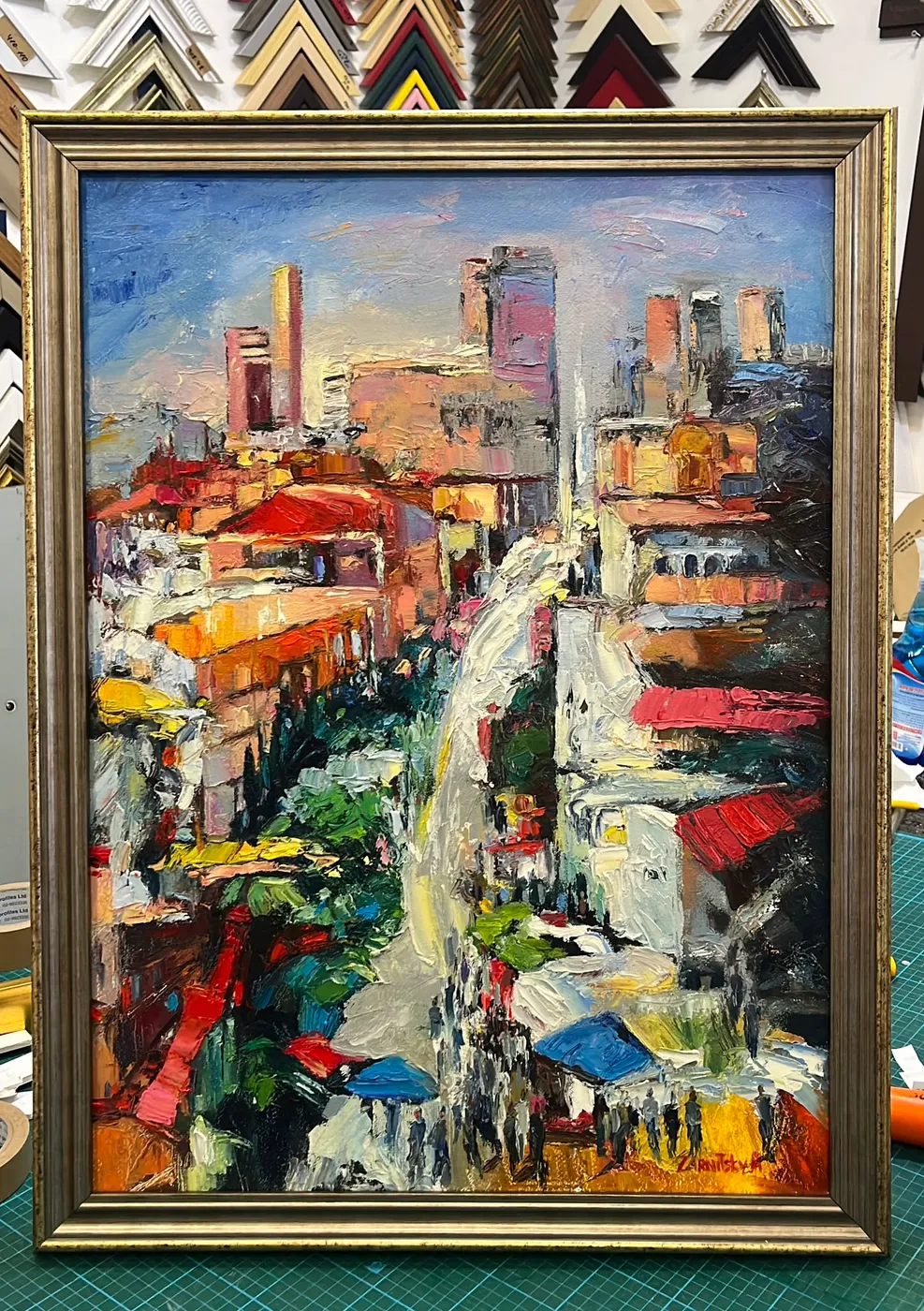
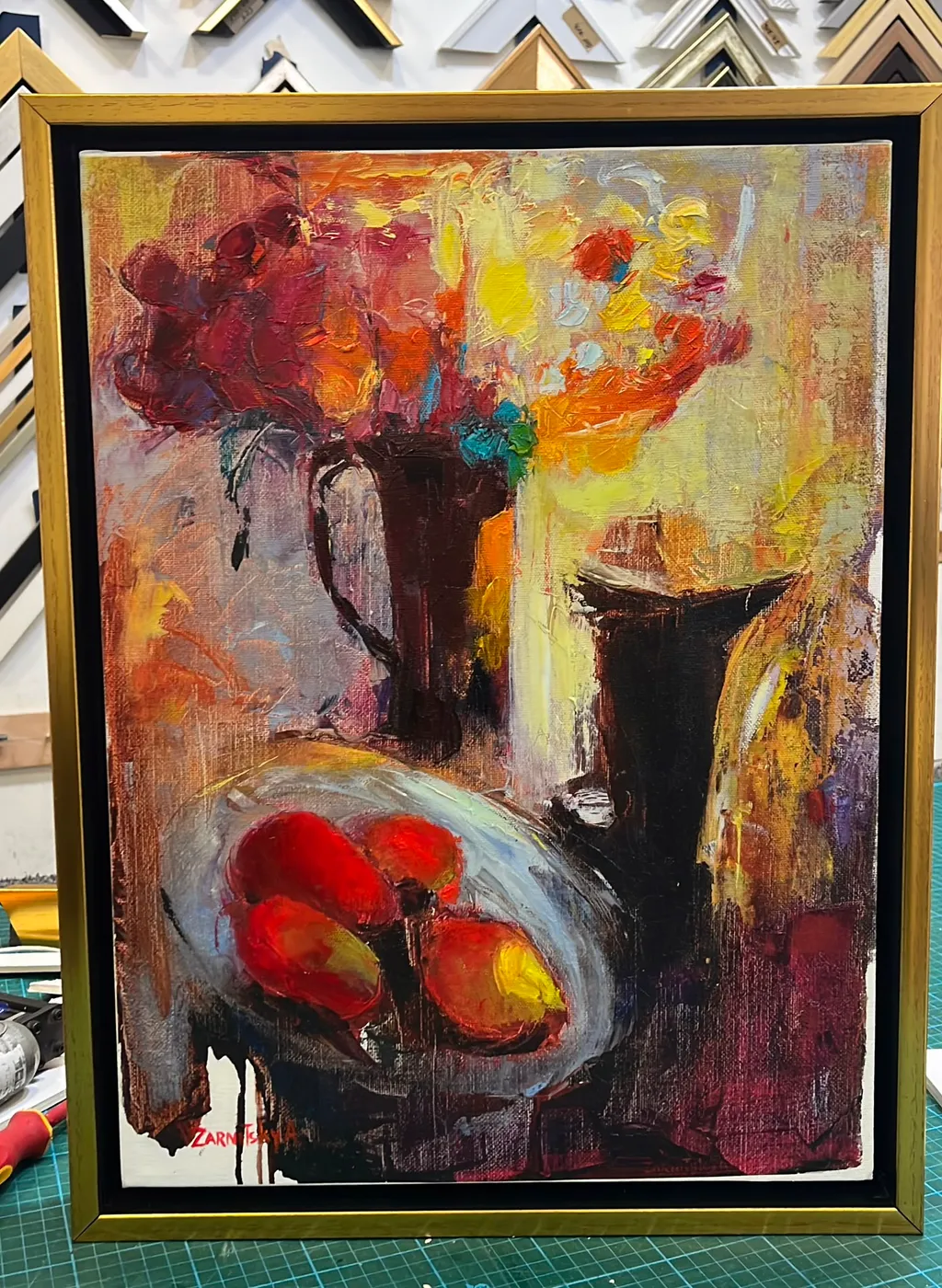
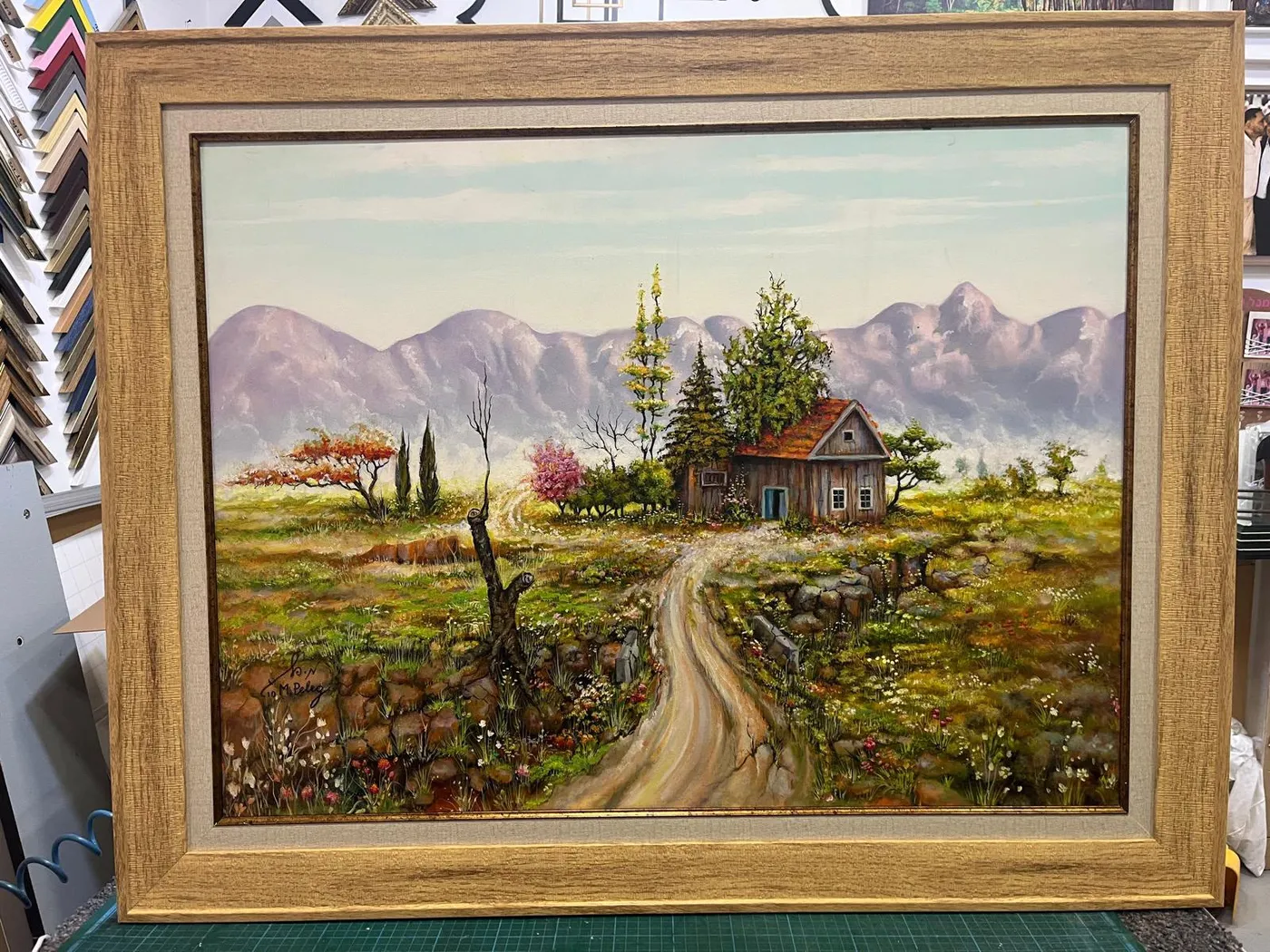
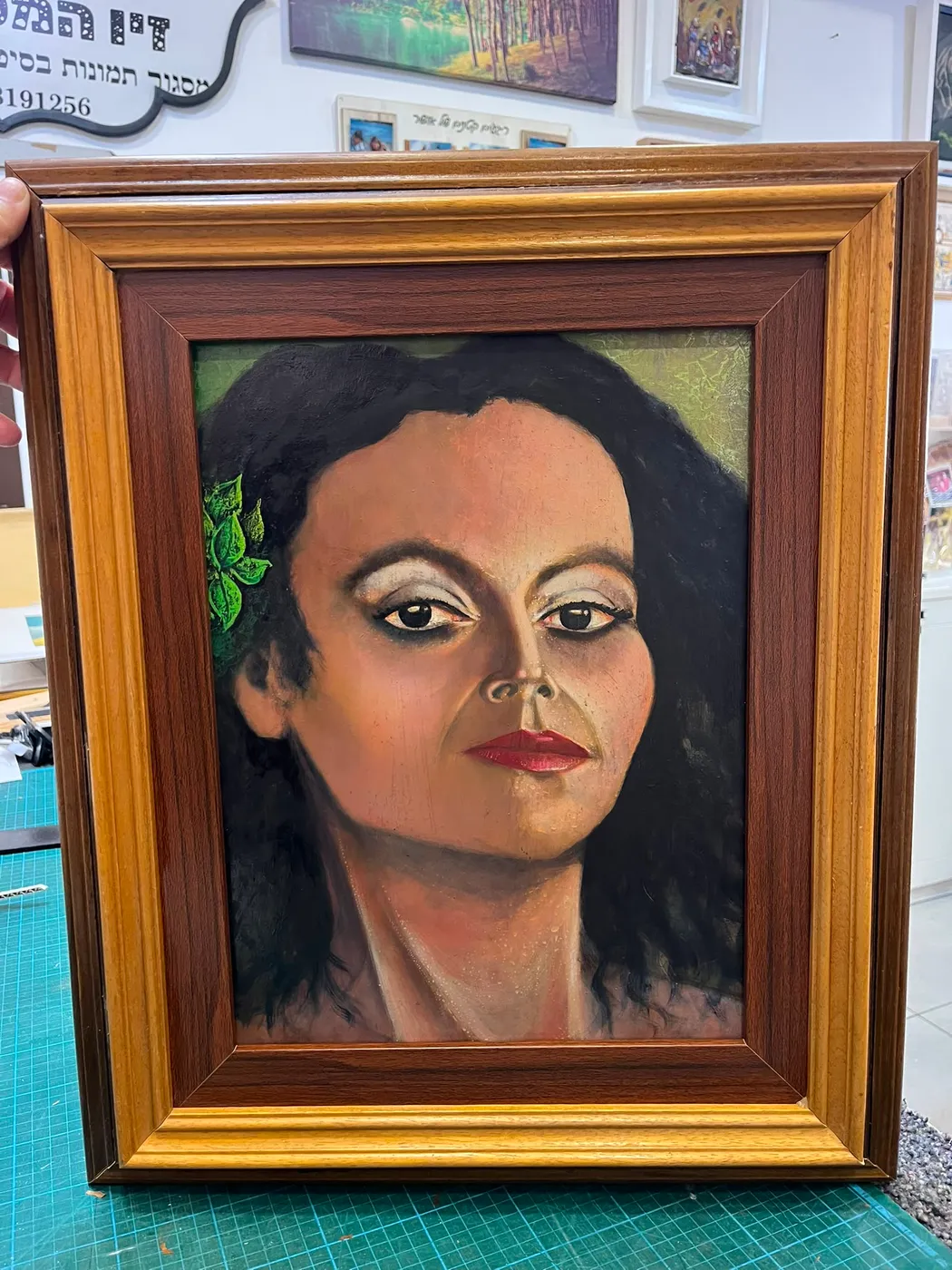
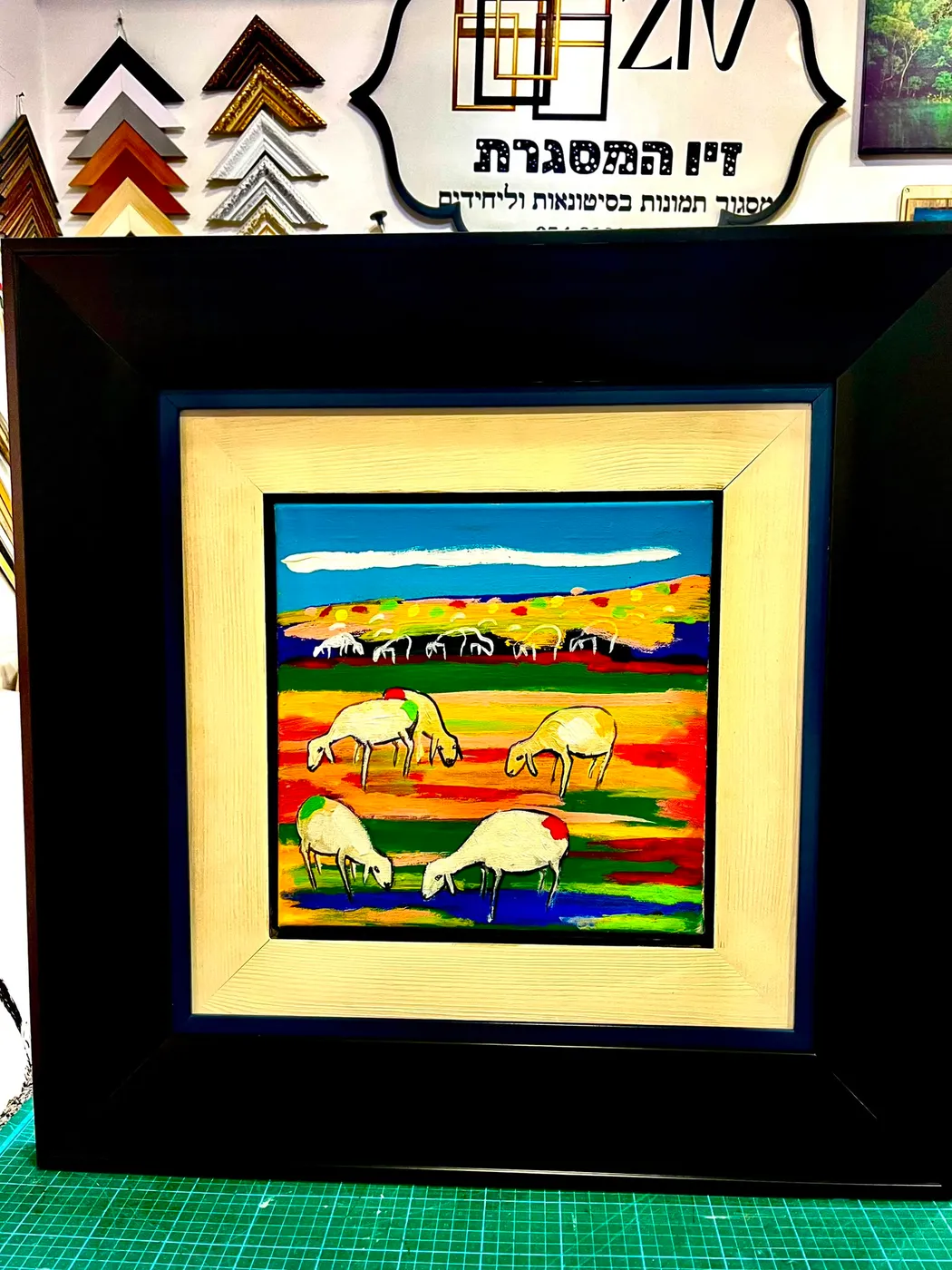
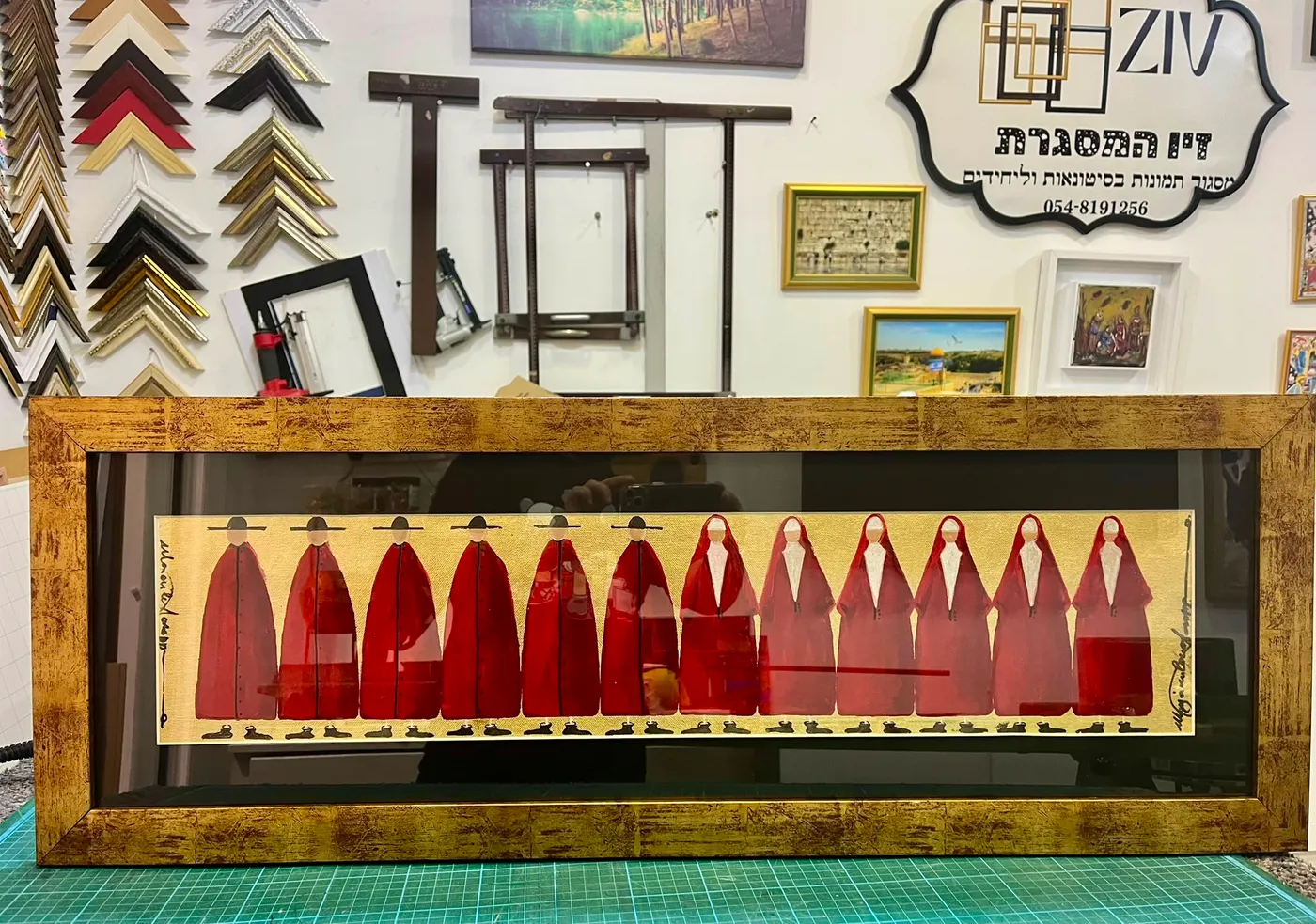
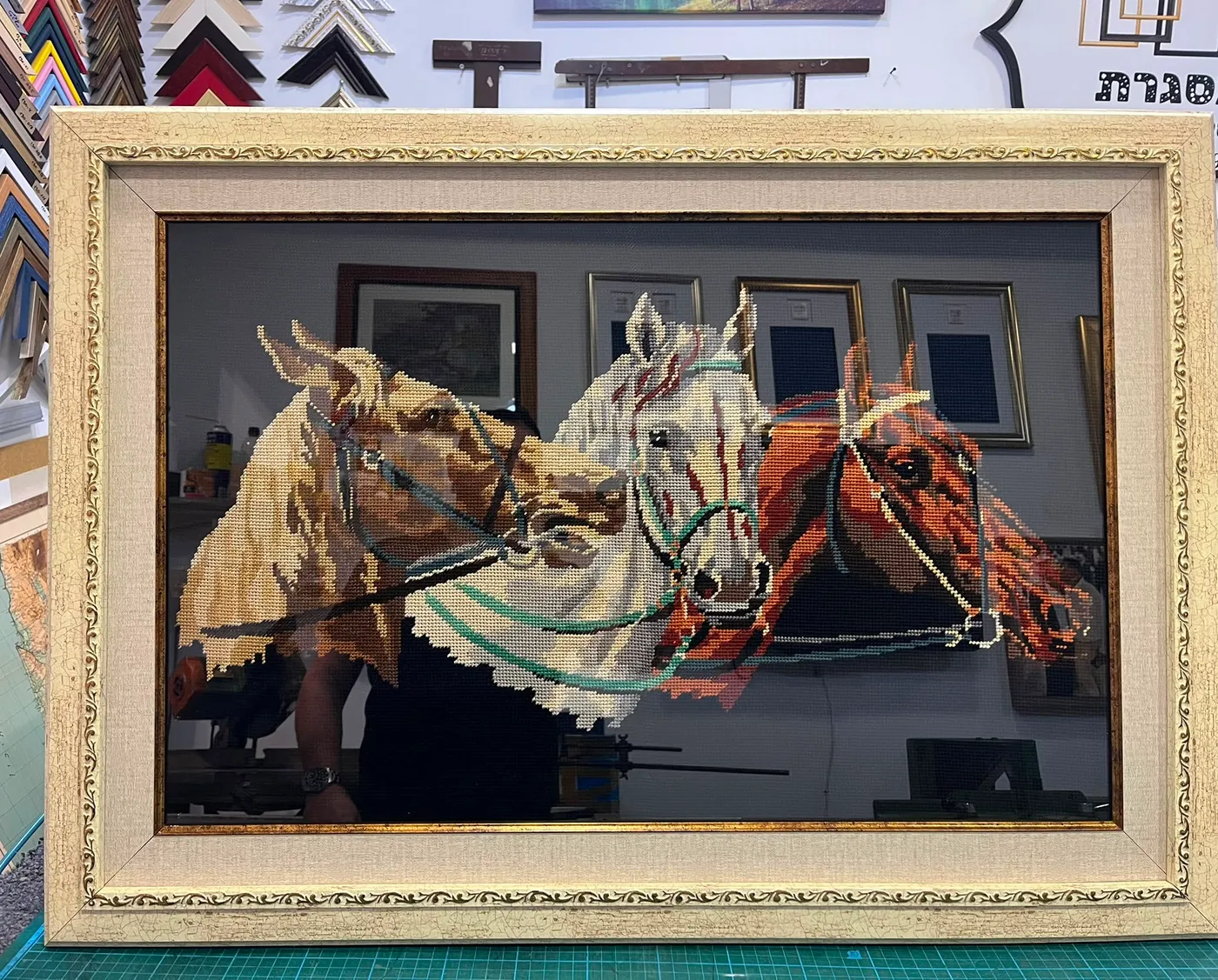
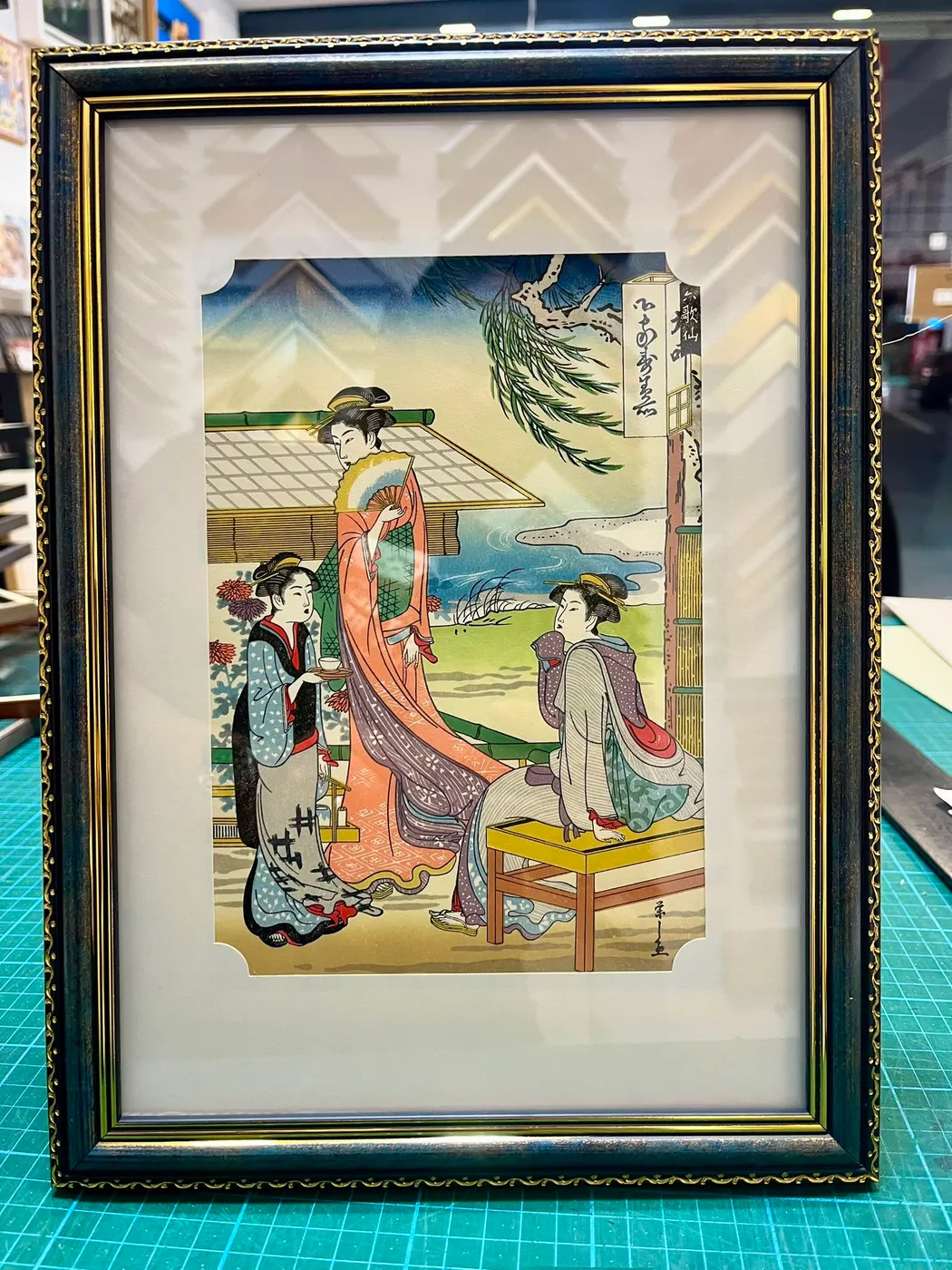
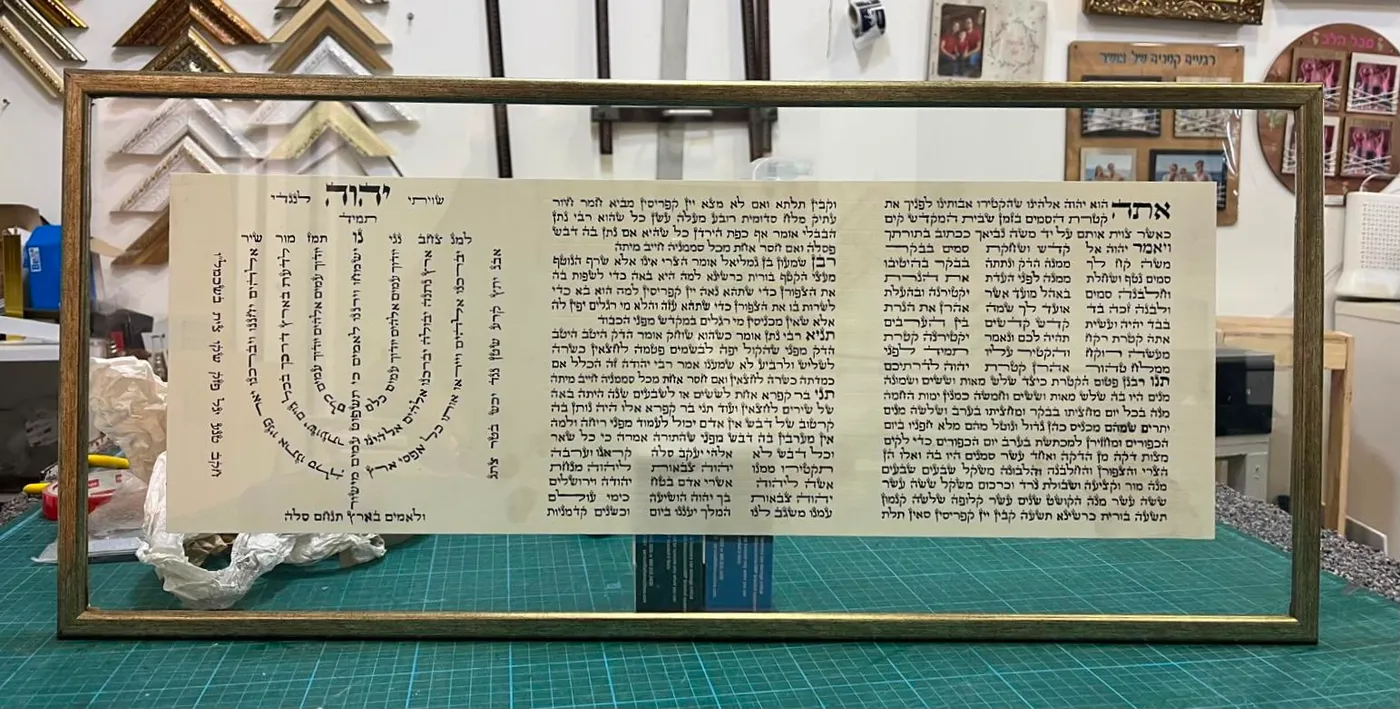
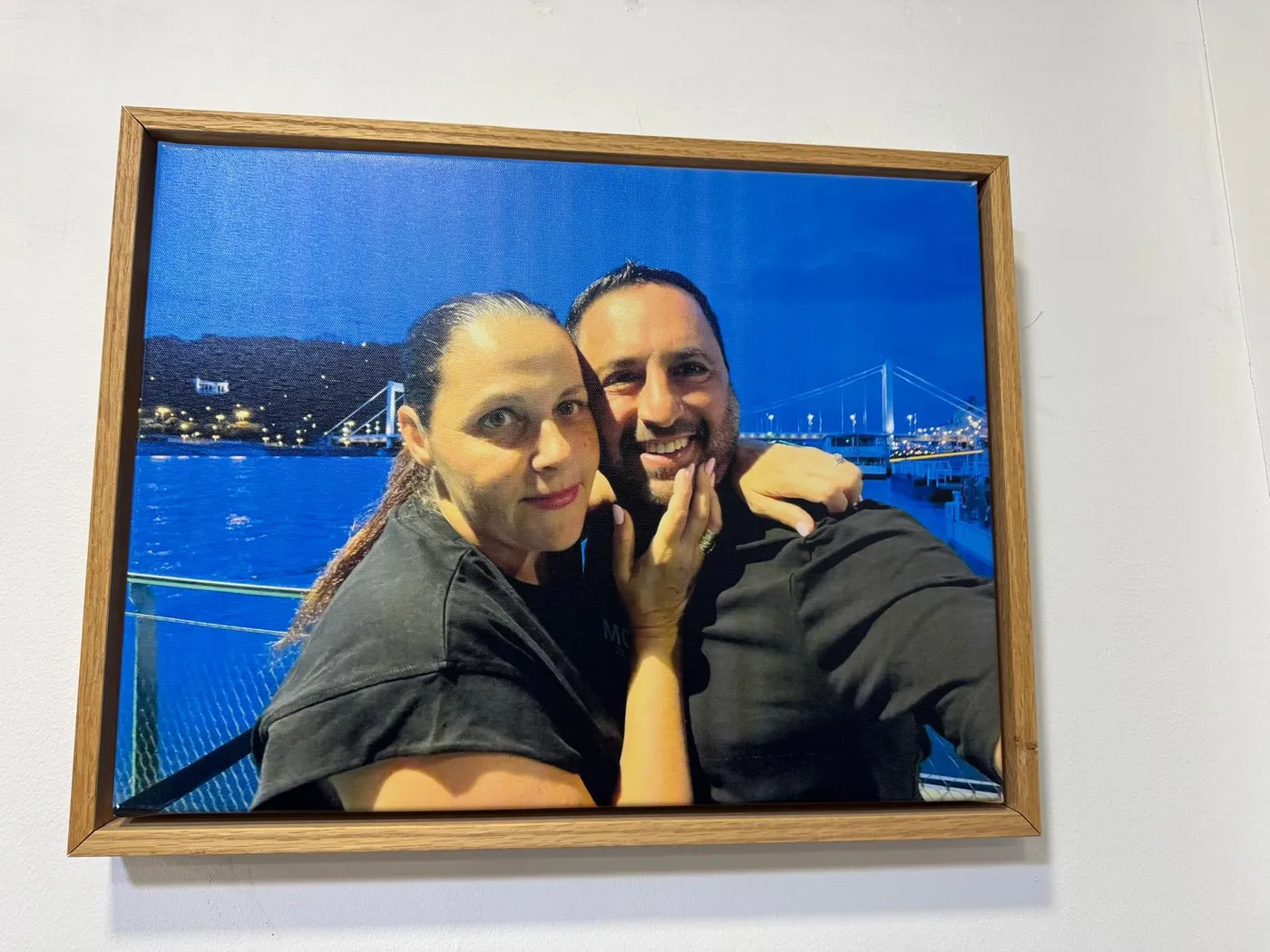
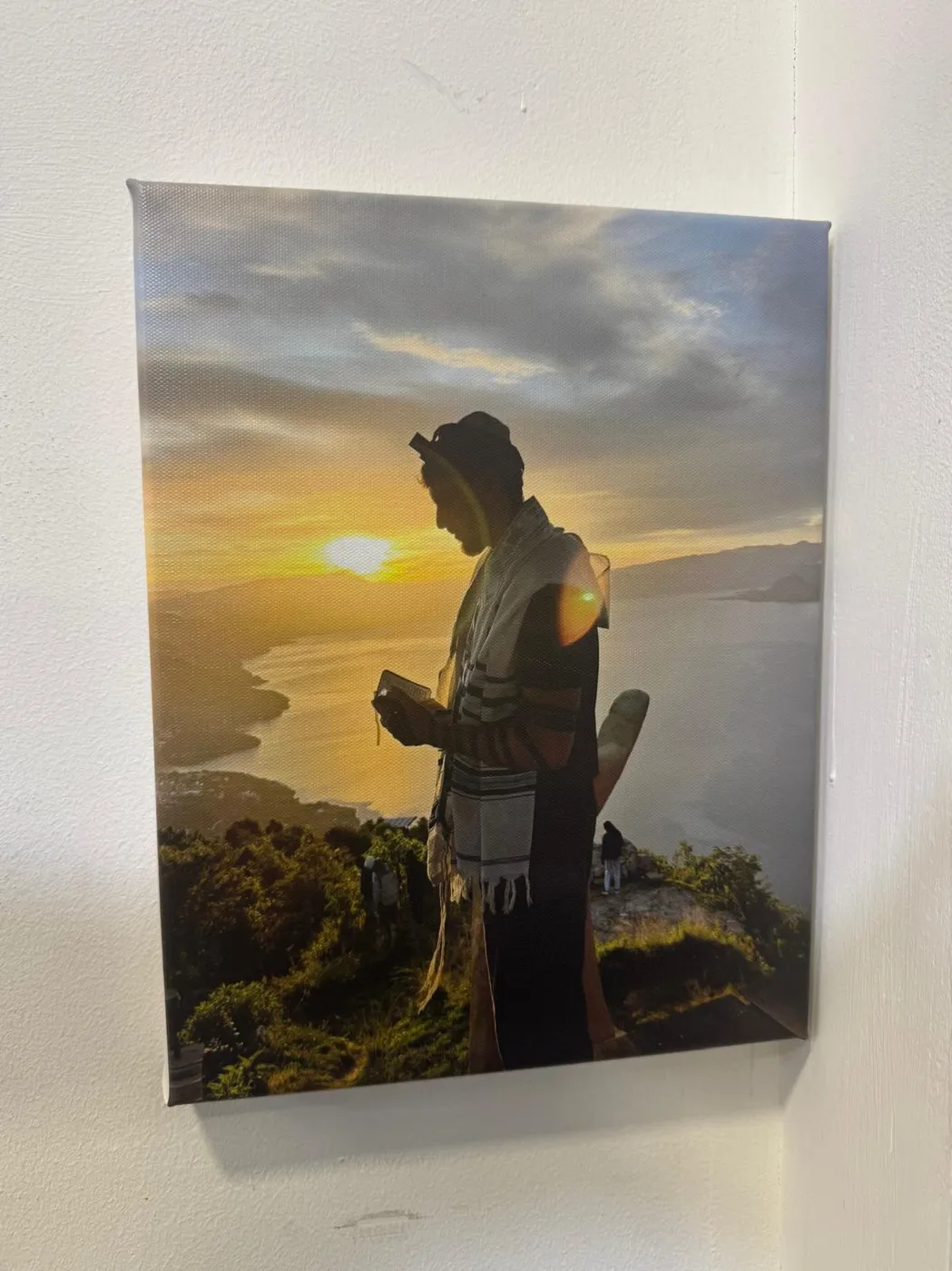
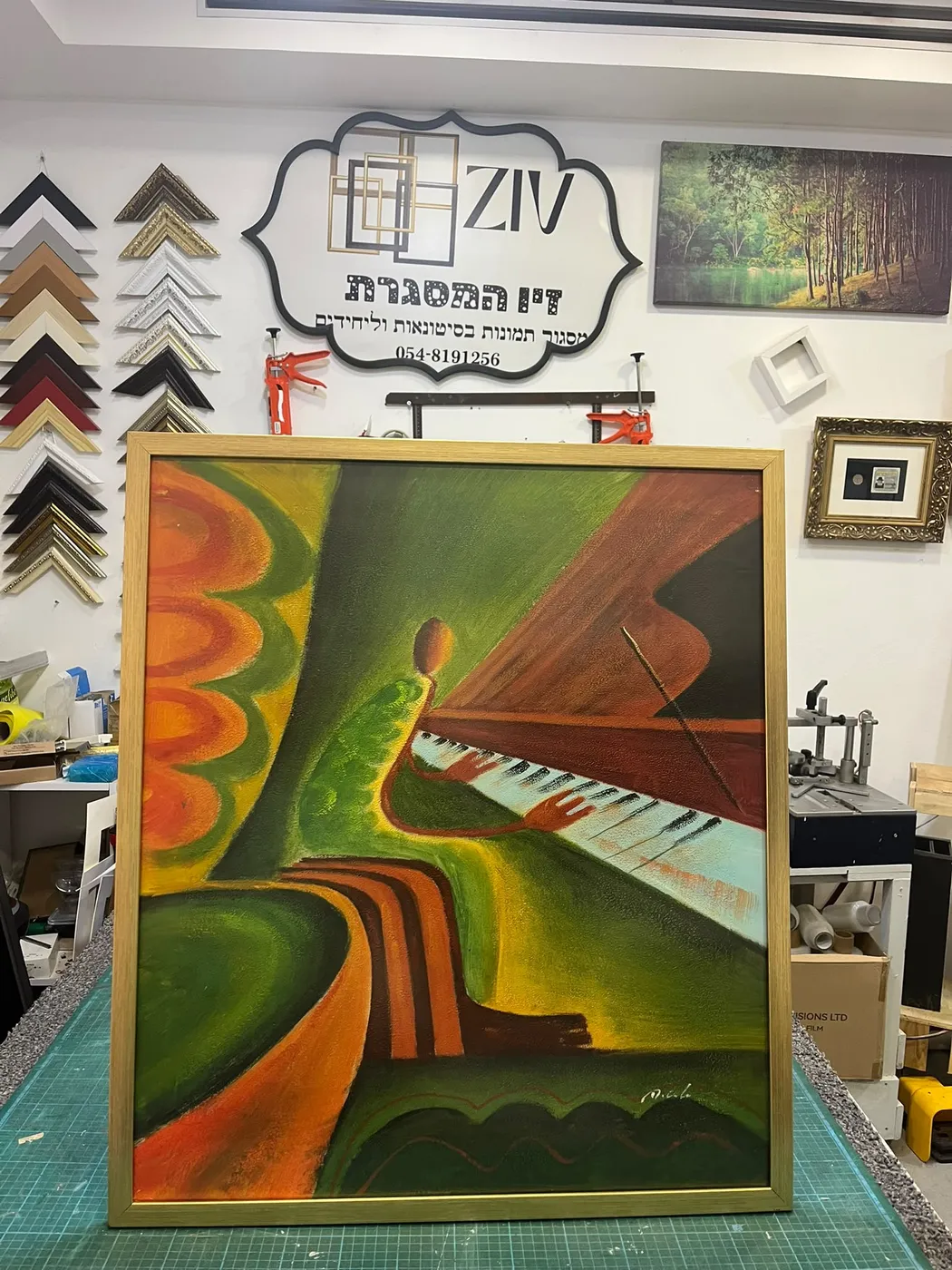
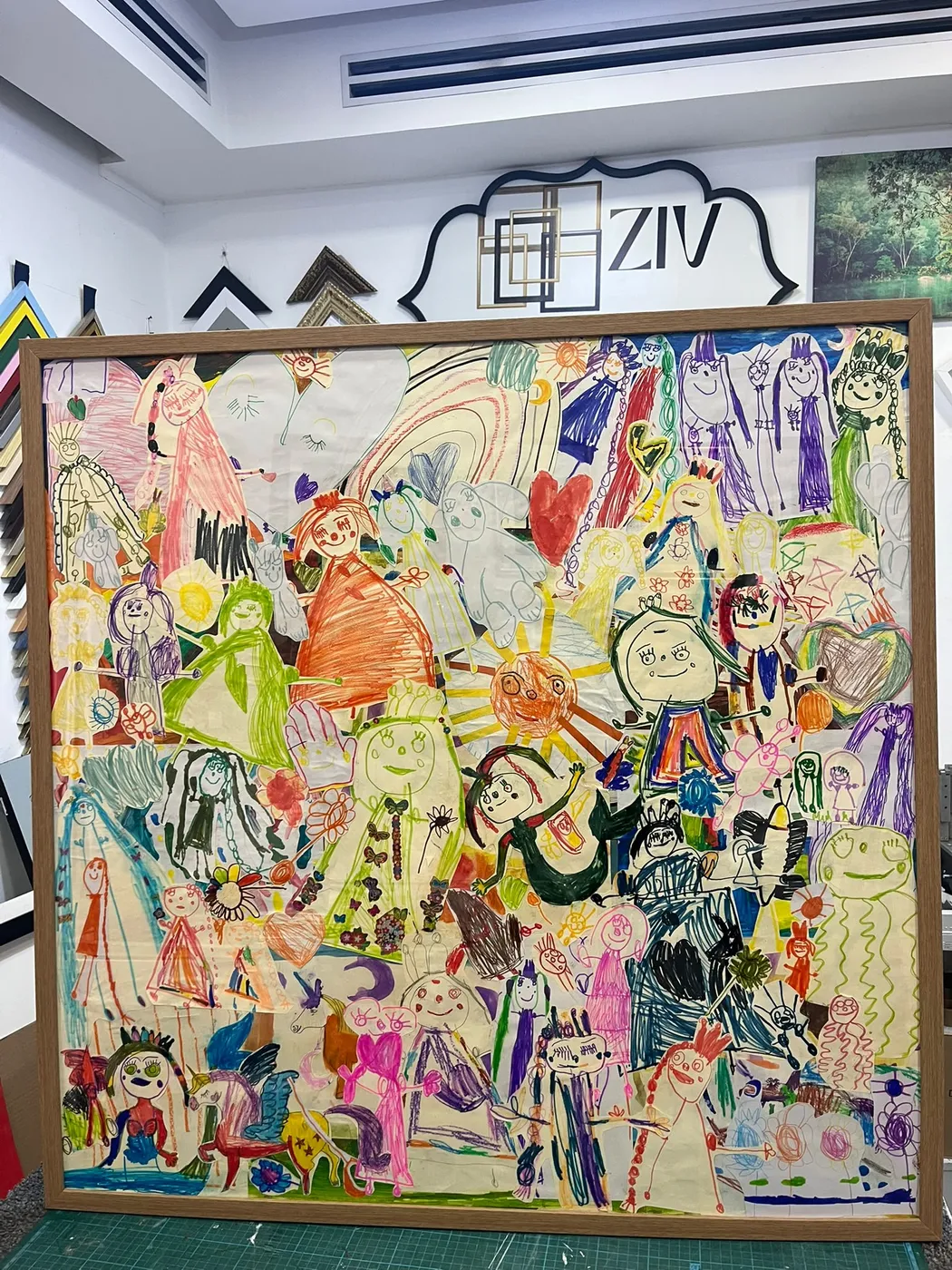

Frequently asked questions
Do I need to glue the puzzle before coming in?
No. You can bring a puzzle that is already glued, or bring it as it is and we'll glue it at the studio. If you are bringing an unglued puzzle, slide it onto a rigid board or thick cardboard rather than lifting it: a lifted puzzle comes apart, and reassembling it isn't part of the job. Gluing at the studio adds drying time to the turnaround, and we'll let you know on the spot.
Can you frame a very large puzzle?
Yes. We make frames to measure at any size, including 2,000-piece and panoramic puzzles. At those sizes we choose a stronger molding, a reinforced backing and hanging hardware suited to the weight, and we'll usually suggest acrylic instead of glass: it weighs about half as much and doesn't shatter. The exact combination is decided in front of the puzzle itself.
How does puzzle framing work?
We stabilize the puzzle (with an adhesive sheet, liquid glue or no glue at all), level the surface, measure the stabilized puzzle, choose a molding and glass or acrylic, and make a frame to measure with backing and hanging hardware suited to its weight. All of these choices are made at the studio in front of the puzzle, because they depend on its size, its weight and the picture on it.
Which is better, an adhesive sheet or liquid glue?
An adhesive sheet sticks to the back, keeps the front completely clean and adds only a little thickness; it is what we recommend in most cases. Liquid glue is spread on the front, seeps between the pieces and gives fuller reinforcement, so it suits large puzzles that will carry their own weight on the wall for years. In return it slightly changes the finish, and it can't be undone.
Can a puzzle be framed without gluing it?
Yes, for relatively small puzzles. The puzzle is held between the backing and the glass under gentle pressure and can still be taken apart in the future. It only suits a frame that stays put: a hard knock or moving the frame can shift pieces, and with large puzzles their own weight is already working against you.
How much does it cost to frame a puzzle?
Including gluing, frame and glass: from ₪100 for a 30×40 puzzle, ₪150 for 40×60, ₪200 for 50×70 and ₪250 for 60×80. The price follows the size and the molding, not the number of pieces. Bring the puzzle to the studio and you get an exact quote on the spot, with no appointment needed.
How long does puzzle framing take?
Most jobs are ready in about two business days. If gluing at the studio is needed, add drying time, and for large puzzles or special finishes we'll tell you the exact turnaround in advance.
Sources and further reading
- CCI Note 11/3: Glazing Materials for Framing Works on Paper Canadian Conservation Institute: a comparison of glass and acrylic, and filtering UV radiation in the 300–400 nm range.
More services
How to find the studio
3 Naftali Palatin St., Booth 147, Rishon LeZion