הגעתי למסגר תמונה וקיבלתי שירות מדהים מזיו. סבלני, מקצועי, אדיב ועם יחס אישי שלא רואים בכל מקום. עזר לי לבחור את המסגרת המתאימה ונתן תחושה שבאמת חשוב לו שהכול ייצא מושלם. ממליצה מאוד לכל מי שמחפש שירות איכותי וחוויית לקוח נעימה. תודה רבה
סיון אגי 5.0 · 94 Google reviews
Poster frames
A poster hung without a frame looks temporary, and after a few months it behaves that way too: the corners curl and the paper rolls up. A frame fixes that and takes it up a level. We frame posters of every size at our studio in Rishon LeZion, including sizes that don't exist in any catalog.
Walk in during opening hours. Free parking, no appointment needed. Rather ask first? Message us on WhatsApp.
- Studio in Rishon LeZion
- Most jobs ready within two business days
- Personal advice, 30 years of experience

- Bring your piece to the studio
- Choose a frame and get a quote on the spot
- Pick it up when it is ready
What a frame does for a poster
Three things, and only one of them is about looks.
The first is that the poster stops being a placard. A paper print stuck straight to the wall reads as temporary even when it is beautiful; the same print inside a molding and glass reads as a work on display. It is the difference most people feel without necessarily being able to put into words.
The second is physical. Paper reacts to humidity and temperature changes, and when it isn't held in place it warps. A frame keeps it flat between a rigid backing and the glass, and that is what prevents curled corners.
The third is protection. Glass keeps off dust, fingers, drinks and scratches. For a poster hanging in a kitchen, a hallway or a kids' room, that isn't a theoretical detail.
There is one case where it is better not to frame: a poster you plan to replace within a year. There, mounting it on foam board does the job for less money and less weight. See our foam board printing page.
Common poster sizes, and everything in between
A3 (29.7×42 cm) is the small poster, common in home offices and teenagers' rooms, and it has its own page with the exact fits: see our A3 frames page. A2 (42×59.4 cm) is the next step up, and already takes over a wall.
Around 50×70 cm (what Israeli print shops call a "half sheet") is the size most commercial posters in Israel come in, and it is also the size most people discover has no matching off-the-shelf frame. At the studio it is cut to measure like anything else.
Above that, it goes by what the wall calls for. Movie posters, exhibition posters, maps and art prints often come in sizes that don't match any standard. That is exactly where custom framing isn't a luxury: the molding, glass and mat are cut to the poster's size, without trimming a centimeter off it.
Posters that are genuinely large (over seventy by one hundred) bring extra considerations of weight and hanging. See our large picture frames page.
What to do with a rolled poster
Most posters reach us rolled in a tube, and that is perfectly fine. Bring it that way.
What matters is what not to do: don't fold it. A crease in paper is permanent damage, and it stays visible even under glass. And don't leave it rolled for years: paper that has been rolled for a long time "remembers" the roll, and it takes time and care before it lies flat.
At the studio we flatten the poster before measuring, and only then set the dimensions. That matters because rolled paper doesn't come out a perfect rectangle, and measuring a rolled poster produces a frame that doesn't fit it once it is laid flat.
If the poster is torn at the edges or has pin holes from its last wall, don't throw it out and don't repair it yourself. Usually the answer is a mat that covers exactly the damaged margins, so the flaw disappears without touching the poster itself.
A mat: the addition that changes a poster most
If one decision makes a framed poster look intentional, this is it.
A mat (passe-partout) is a thick board with a cut window, set between the poster and the frame to create an even band around it. With a poster it does three things: it gives the design breathing room instead of pinning it against the molding, it keeps the paper away from the glass (which prevents it sticking over the years), and it covers uneven or damaged margins.
With graphic posters that already have white margins built into the design, it is worth looking at both together: sometimes the mat is unnecessary, and sometimes it is exactly what makes the printed margins look deliberate rather than accidental.
The usual width is a few centimeters on each side, depending on the size of the poster. The safe color is off-white or cream; a colored shade works when it is taken from the design itself. Our picture mats page goes into all of this in depth.
Which molding suits a poster
A poster is usually graphic design, color and line, so the rule here is the opposite of an oil painting: the frame should contain it, not take part.
A thin molding in black, white or aluminum is the default that works almost every time. It gives a clean line that finishes the poster without competing with it. Aluminum especially suits graphic posters and modern prints, and it is lighter too. See our aluminum and metal frames page.
Warm-toned wood works well for posters with character (a vintage exhibition poster, an art print, a map) and in rooms with wood furniture. The bigger the poster, the wider the molding can go without swallowing the content.
What almost never works on a poster: an ornate molding in a classic gold or silver finish. It is made for paintings and awards, and on graphic design it clashes.
A series of posters on one wall
When you hang several posters together, the decisions change. The simple rule is that consistency beats variety: three posters of the same size, in the same molding and with the same mat width make a wall that looks planned, while three in different sizes and frames look like a pile.
So it is worth ordering them all together, not one at a time over months. A series cut from the same length of molding in the same batch of work comes out consistent in shade and width; a wood molding of the same model can arrive in slightly different shades from different deliveries.
On a gallery wall with posters of different sizes, the consistency moves to the frame and the spacing: the same molding on every size, and an even gap between the pieces. See our gallery wall page.
And if it is a real quantity (a commercial space, an office, a restaurant, an institution) that is volume work and priced differently. See our wholesale frames page.
Don't have the poster yet?
This page is about framing a poster you already have. If what you have is a file (a design you commissioned, an art print you bought digitally, a photo you want big) we print it here at the studio, and it can be framed in the same job. See our poster printing page for everything on sizes, resolution and print quality.
The advantage of doing both together is that you can first set the final size that suits the wall and the frame, and print to it, instead of discovering that the printed size doesn't work with what you wanted on the wall.
What we don't do is sell ready-made posters from a catalog. There is no shelf of designs to choose from here.
50x70 poster frames
50×70 cm is the size most people look for a frame in, because most commercial posters and many art prints come in it. At the studio it's cut like any other size: the molding, the glass and the backing are cut to the poster you bring, even when it is actually a few millimeters off a round 50×70. So we measure the poster itself, after flattening it, rather than trusting the size printed on the tube.
Three decisions set how a 50x70 frame looks on the wall. The first is the mat: without one the frame sits right around the poster; with a 5 cm mat on each side the outer size grows to about 60×80 cm, which changes how much wall it takes. The second is the molding width: at this size a thin black, white or aluminum molding still works well on a graphic poster, while a wider wood molding suits a vintage poster or an art print. The third is the glass and the hanging: at this size the glass starts to add weight, and at the studio we'll tell you how best to hang the frame so it stays level.
The price of a 50x70 frame is given at the studio, in front of the poster, by the molding, the glass and whether there's a mat. Bring the poster rolled, and don't fold it.
Price and how to order
The price depends on the size of the poster, the molding you choose, the glass and whether a mat goes in. A standard-size poster in a thin molding is one of our simpler jobs; a large poster with a wide mat and a wide molding is a different job. A full explanation of what adds cost and what saves it is on our framing prices page.
Bring the poster to the studio at 3 Naftali Palatin St., Booth 147, Rishon LeZion; no appointment is needed and there is free parking nearby. We flatten, measure, hold molding and mat samples against it, and give you a quote on the spot. Most jobs are ready within two business days.
Customers come to us from Tel Aviv, Holon, Bat Yam, Rehovot, Nes Ziona, Be'er Ya'akov and Yavne too.
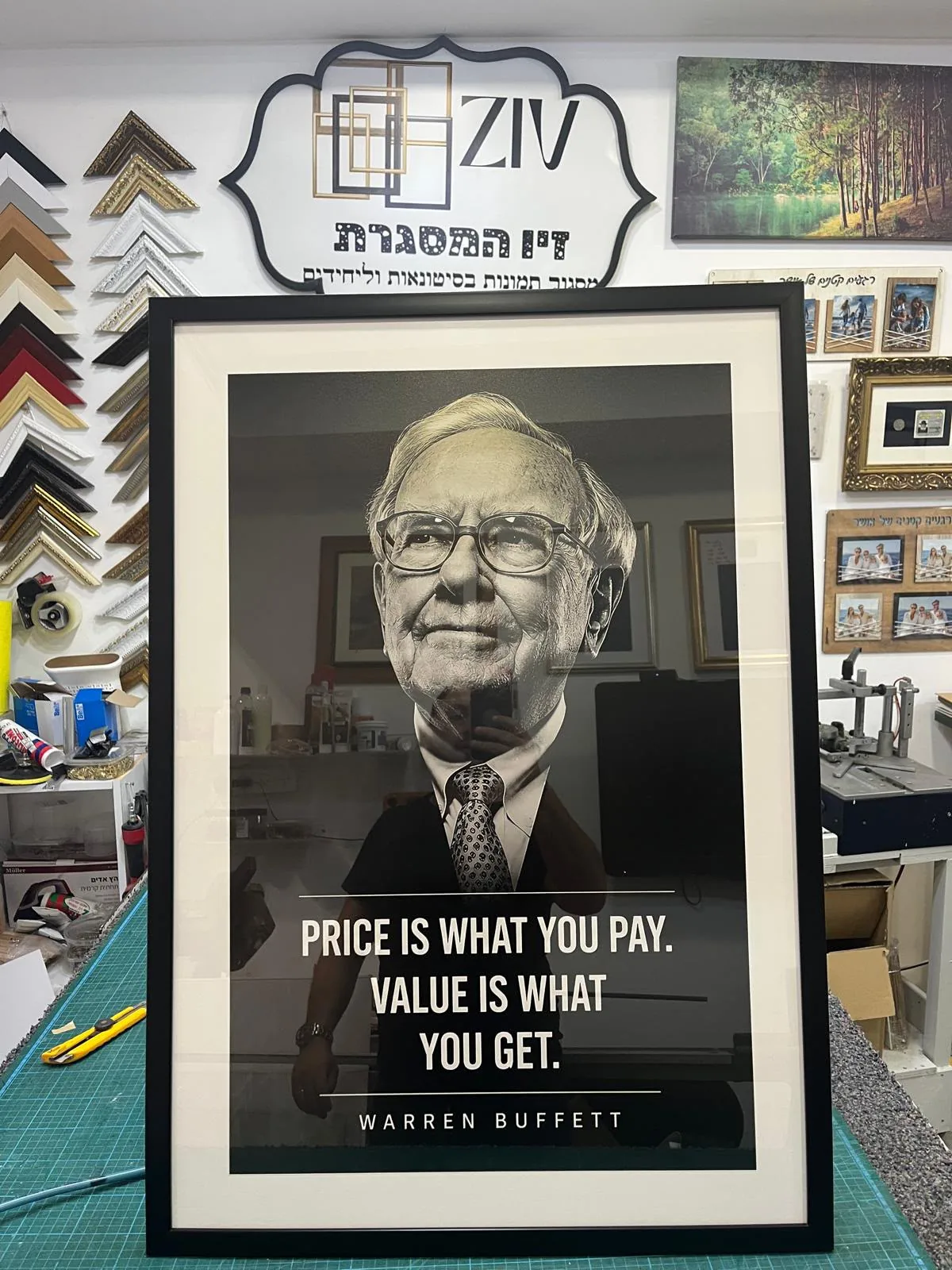
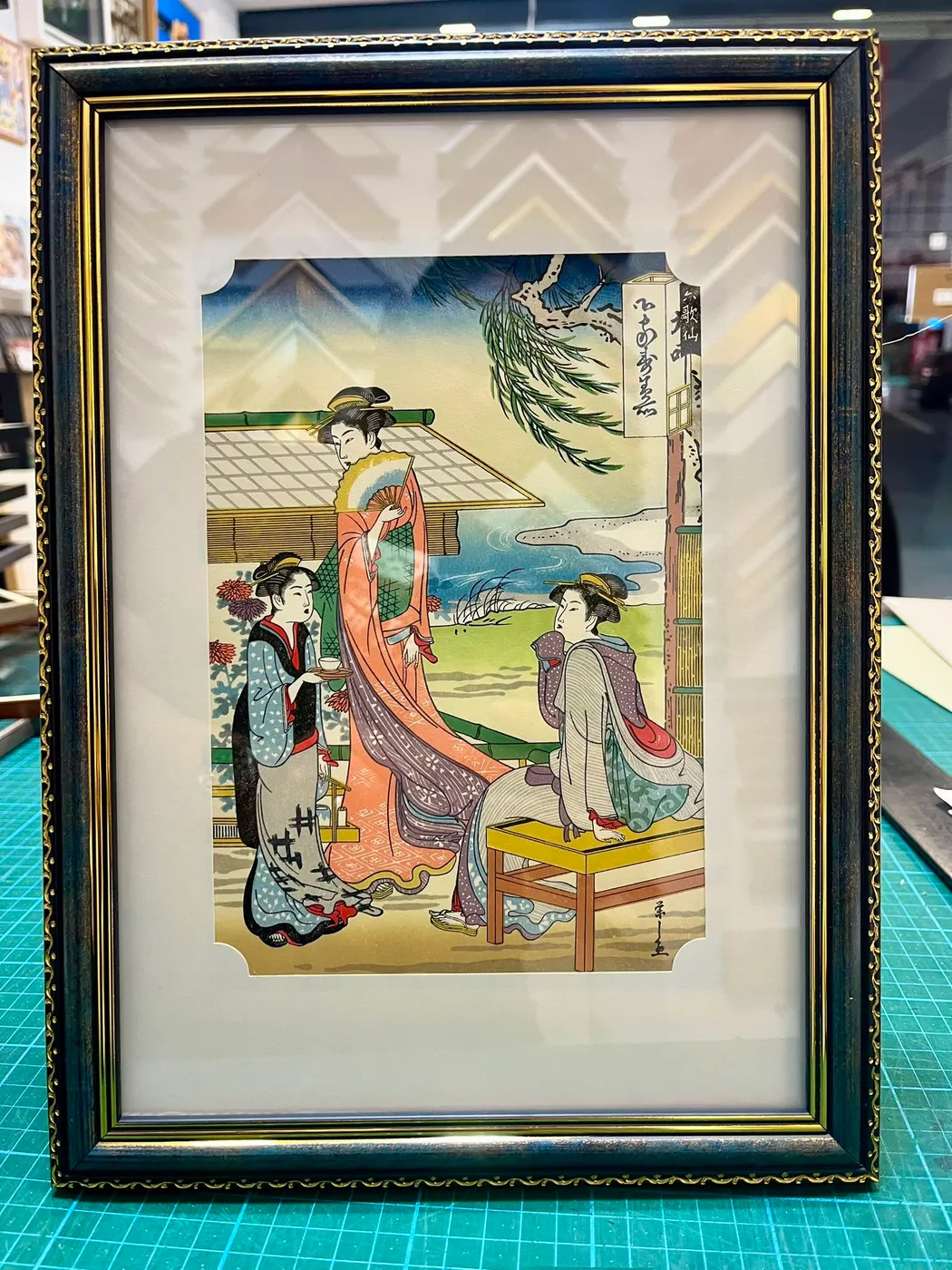
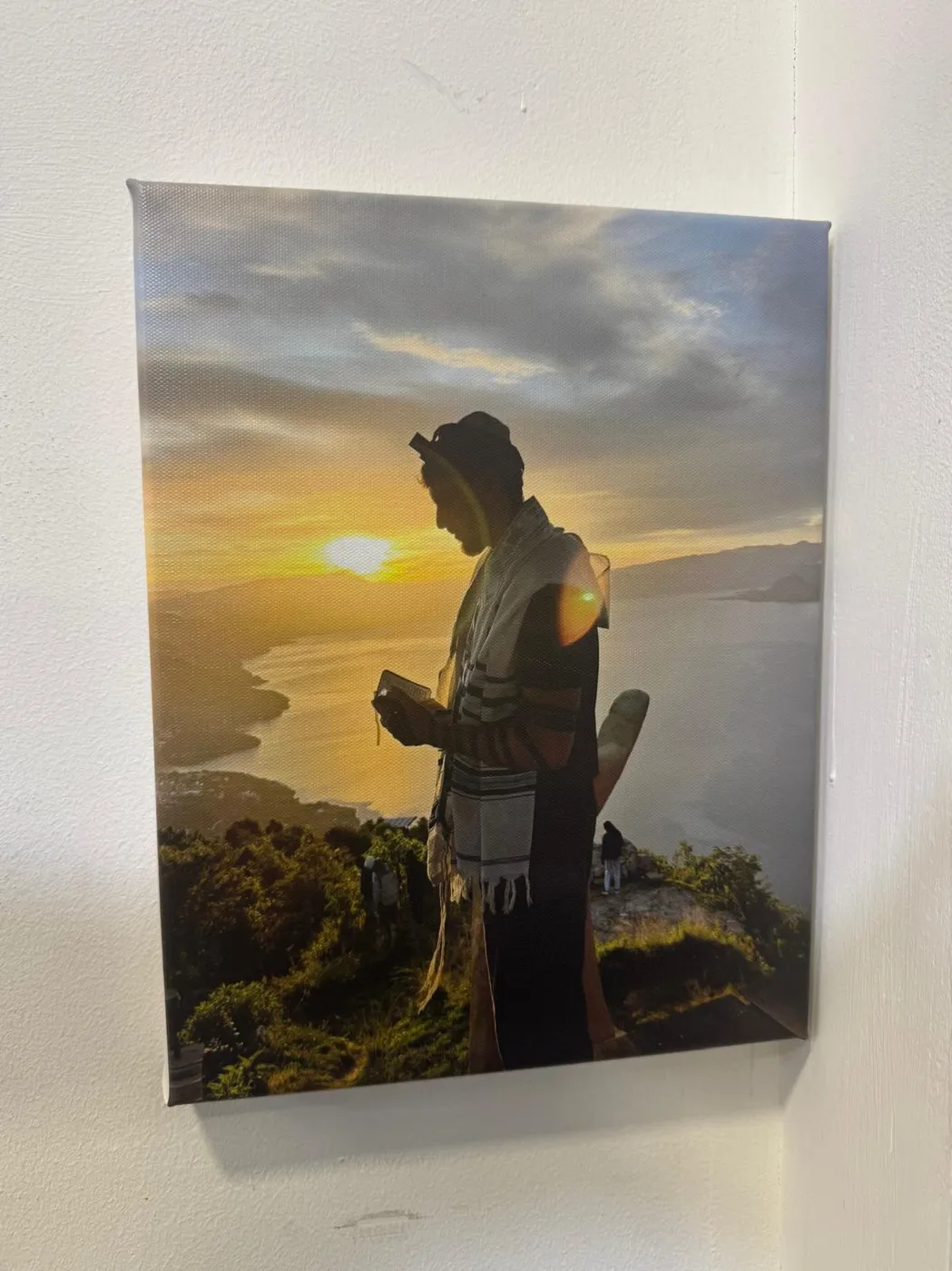
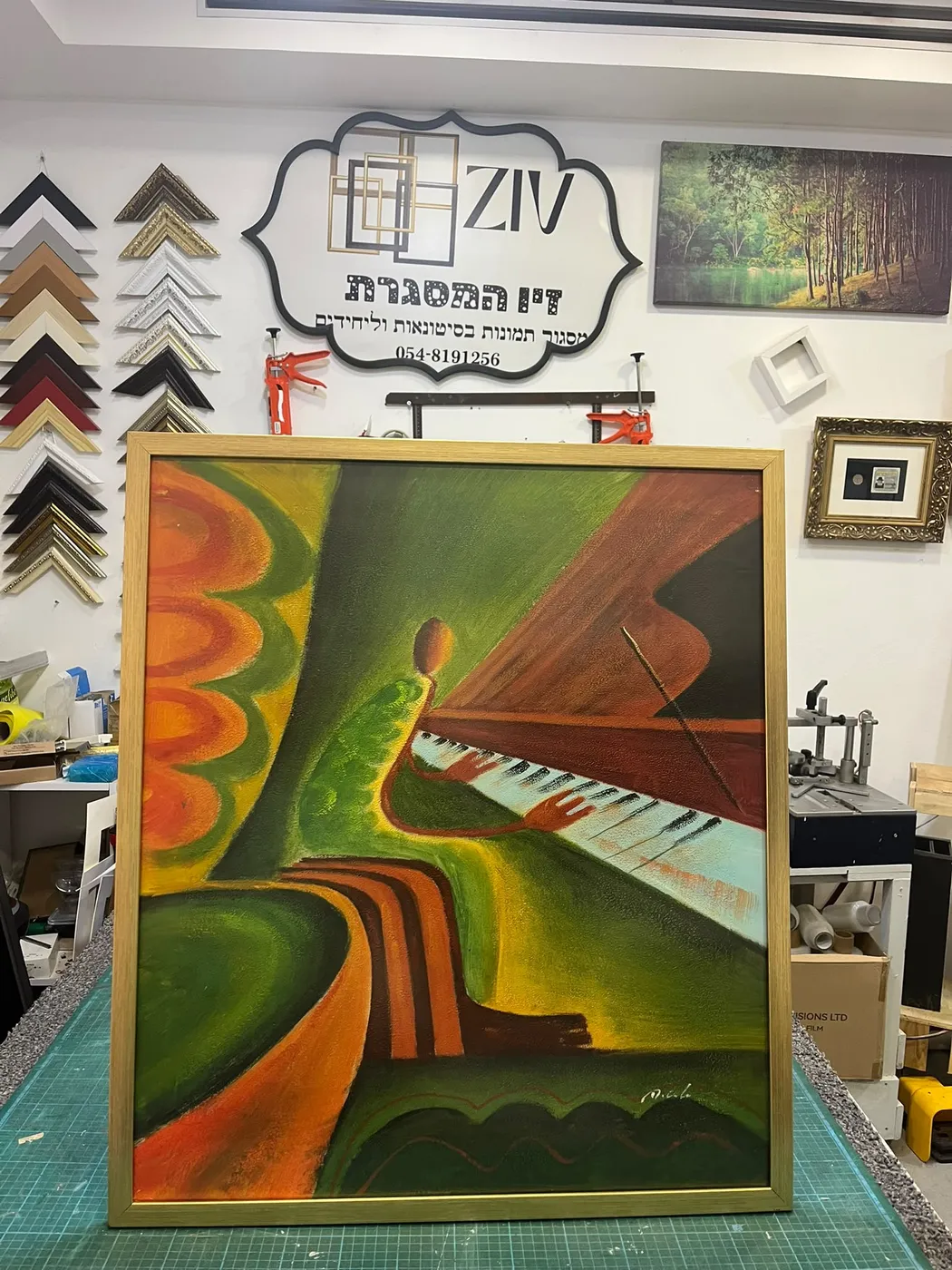
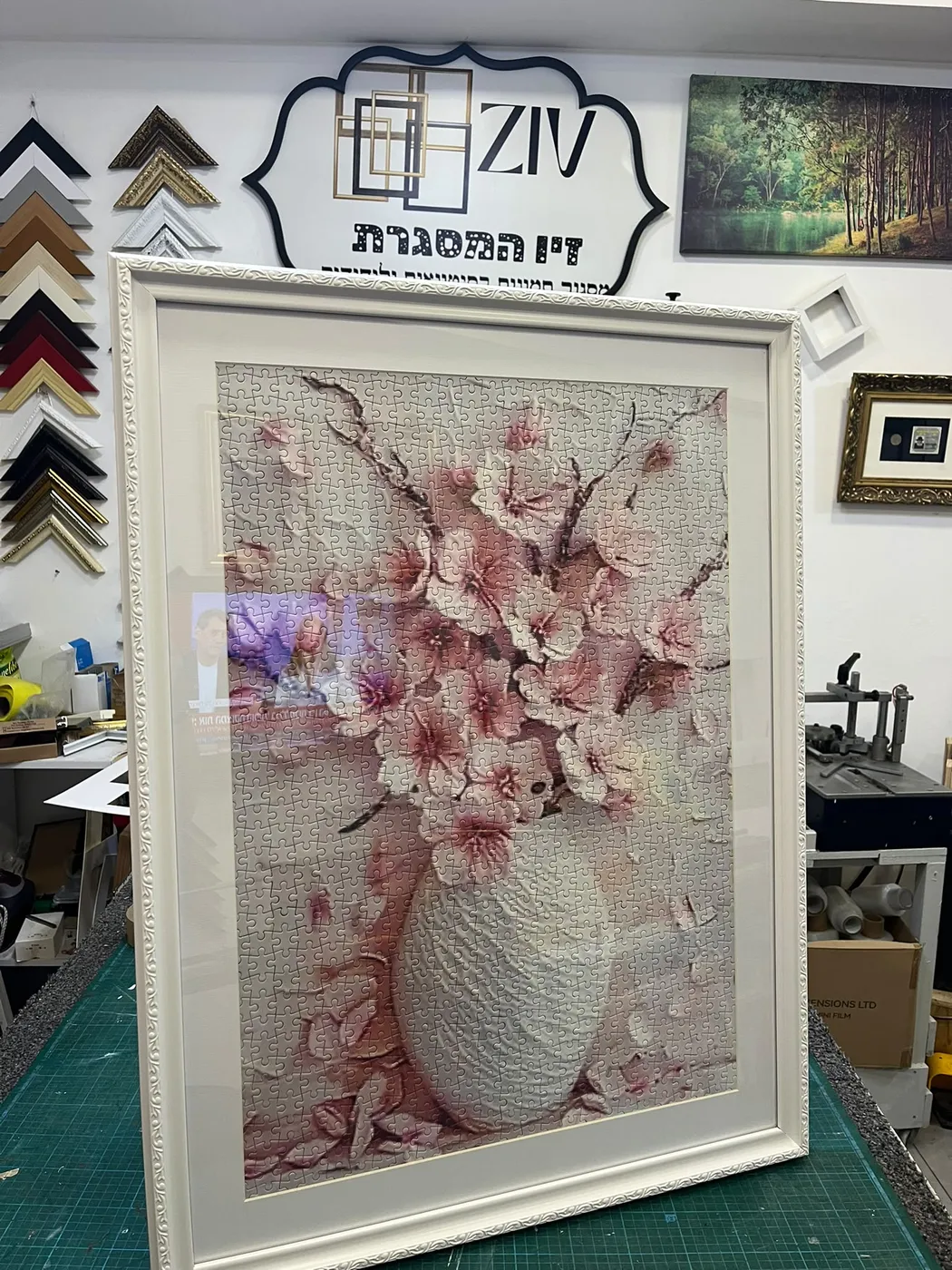
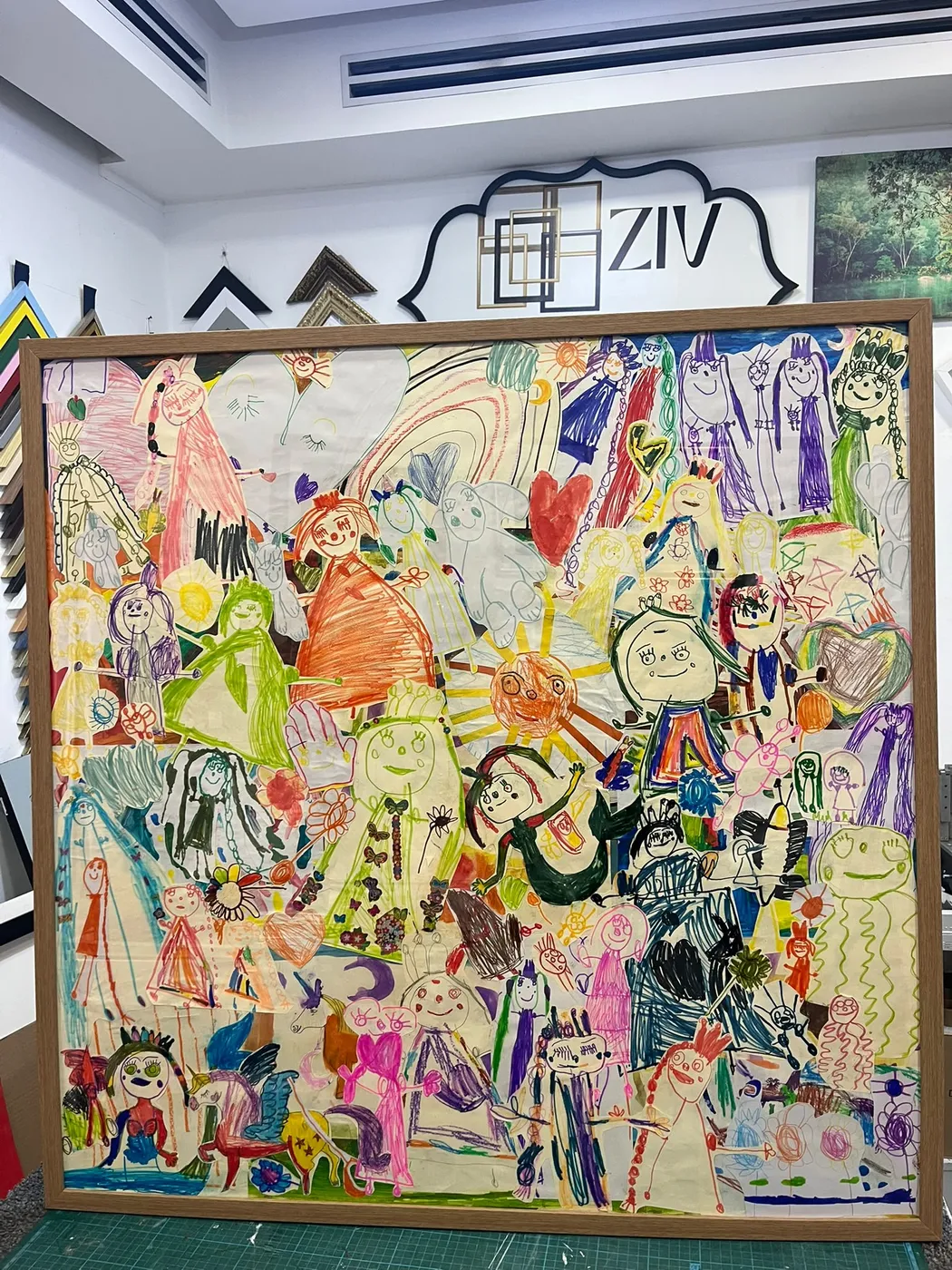
Framed posters and prints: work from the studio
What our customers say
Reviews are shown in their original Hebrew, as posted on Google.
חוויית שירות מעולה מההתחלה ועד הסוף. קיבלתי מענה מהיר ומקצועי, עם יחס אדיב ונכונות אמיתית לבוא לקראתי. המחיר הוגן ושווה כל שקל. הזמנתי מסגרת לחולצה והתוצאה הסופית פשוט אליפות – עבודה מדויקת ואיכותית. ממליץ בחום לכל מי שמחפש עבודה ברמה גבוהה וראש שקט
שליו אברגילהגעתי דרך גוגל וגיליתי את זיו אדם אדיב ונחמד ישבנו לקפה עזר לי להתאים את המסגרת שמתאימה בול לציור שלי ממליץ בחום
יגאל מורמדהים!!!! מקום מדהים! זיו שירותי מאד ! מחירים הוגנים ובדקתי כמה חנויות. ממש ממש מרוצה
ספיר כהןשירות ואיכות ברמה הכי גבוהה שיש!!
Tomas Siעבודה מקצועית, שירות אדיב
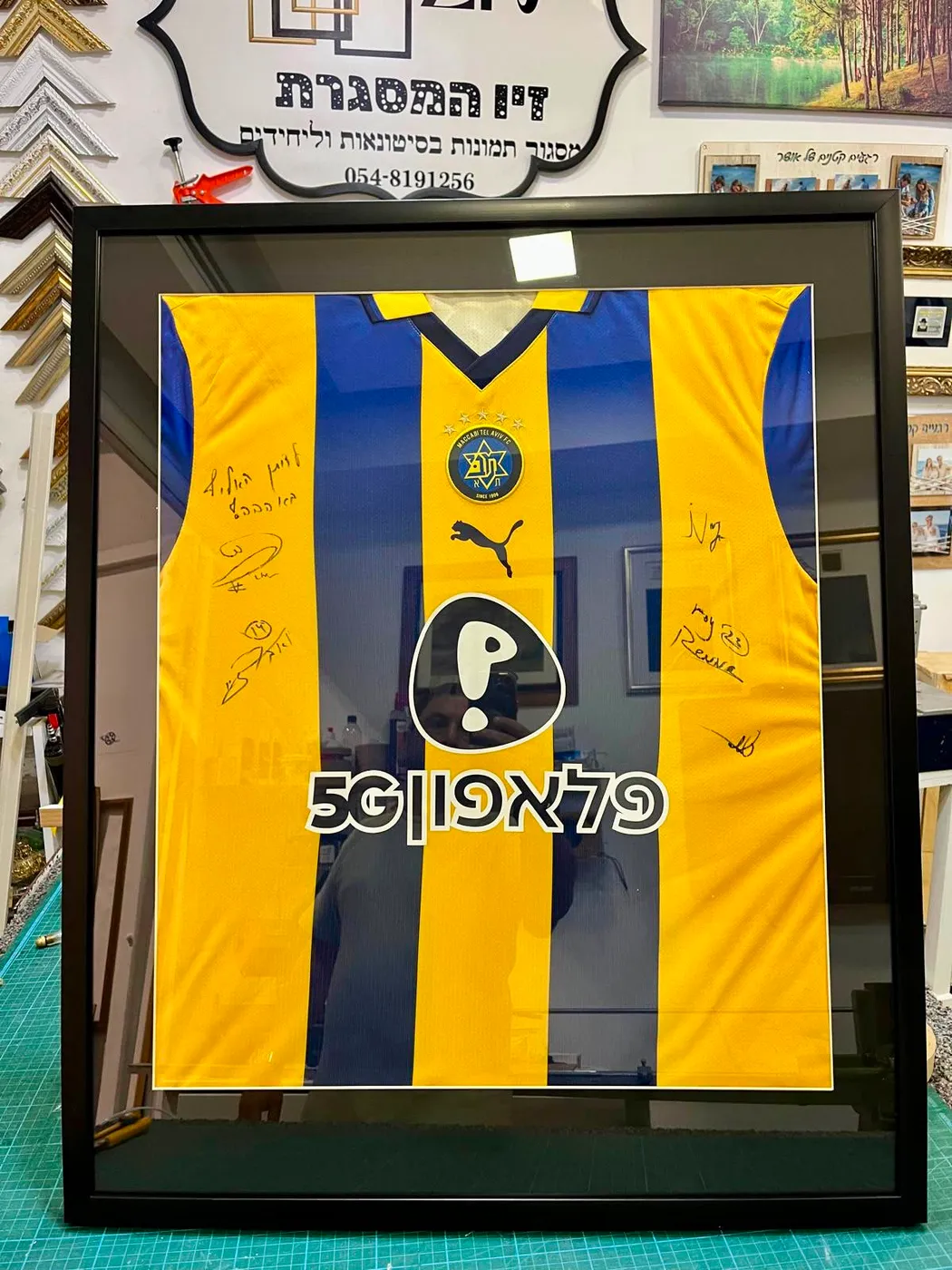
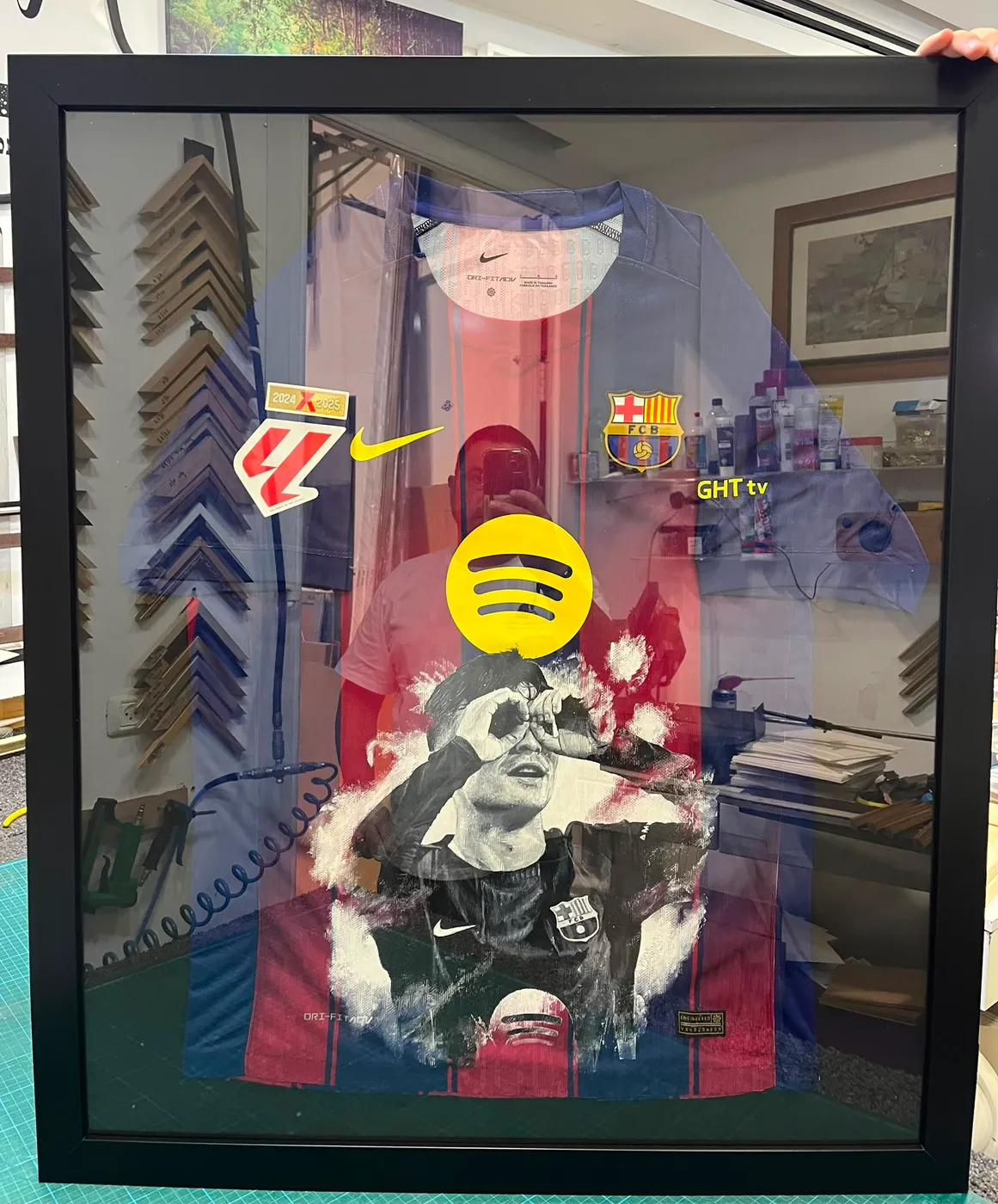
Barry GreenOur work
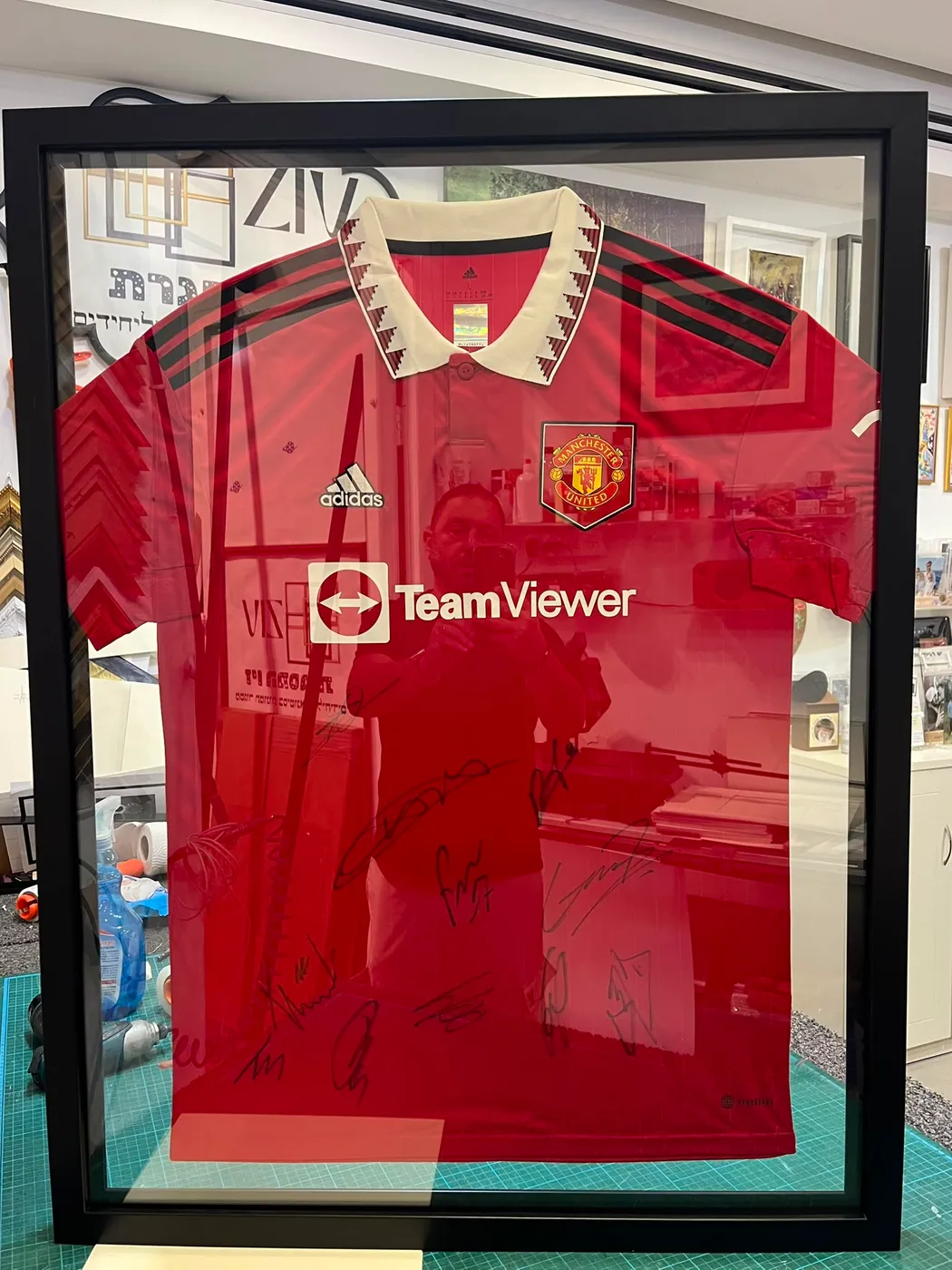

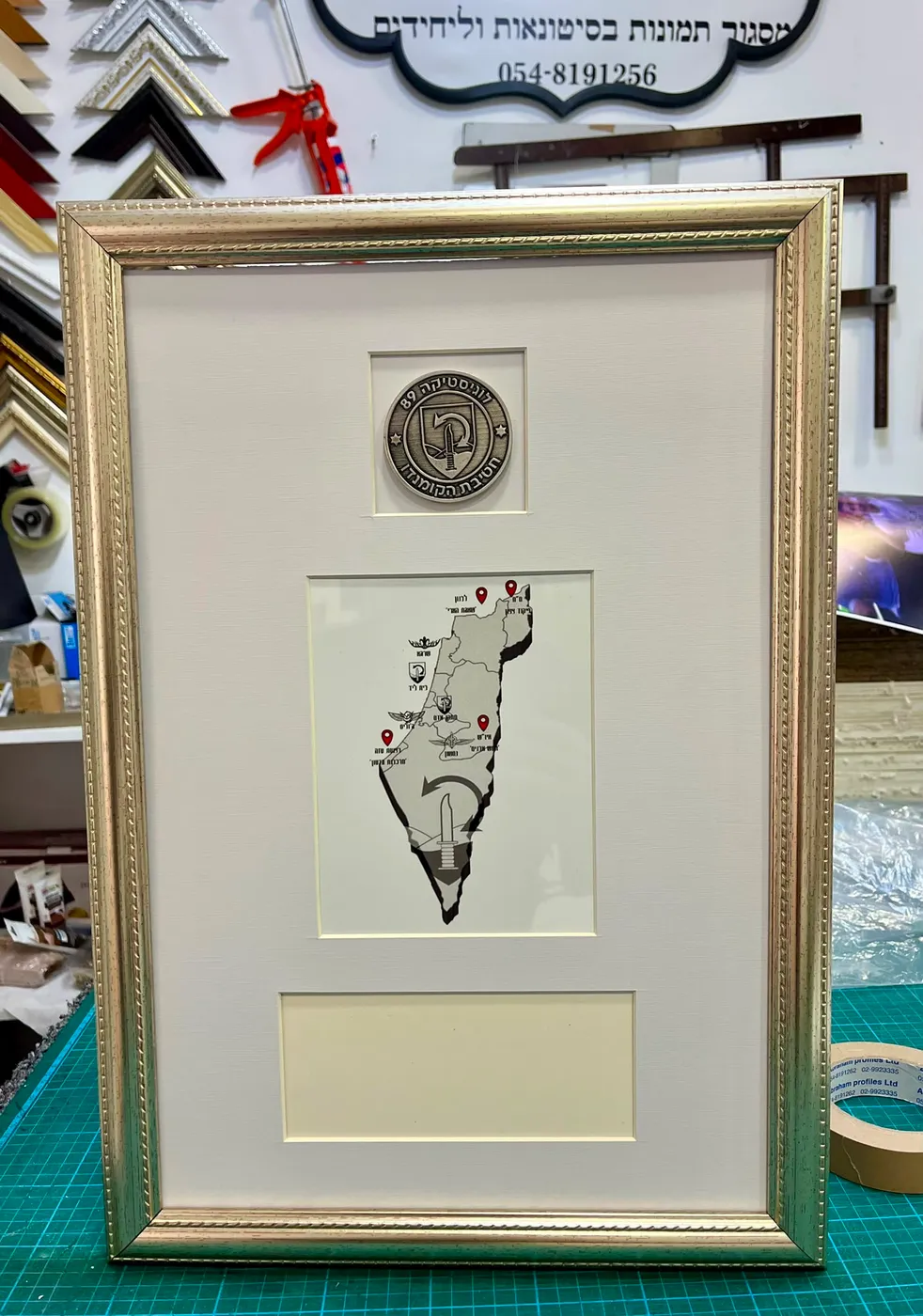
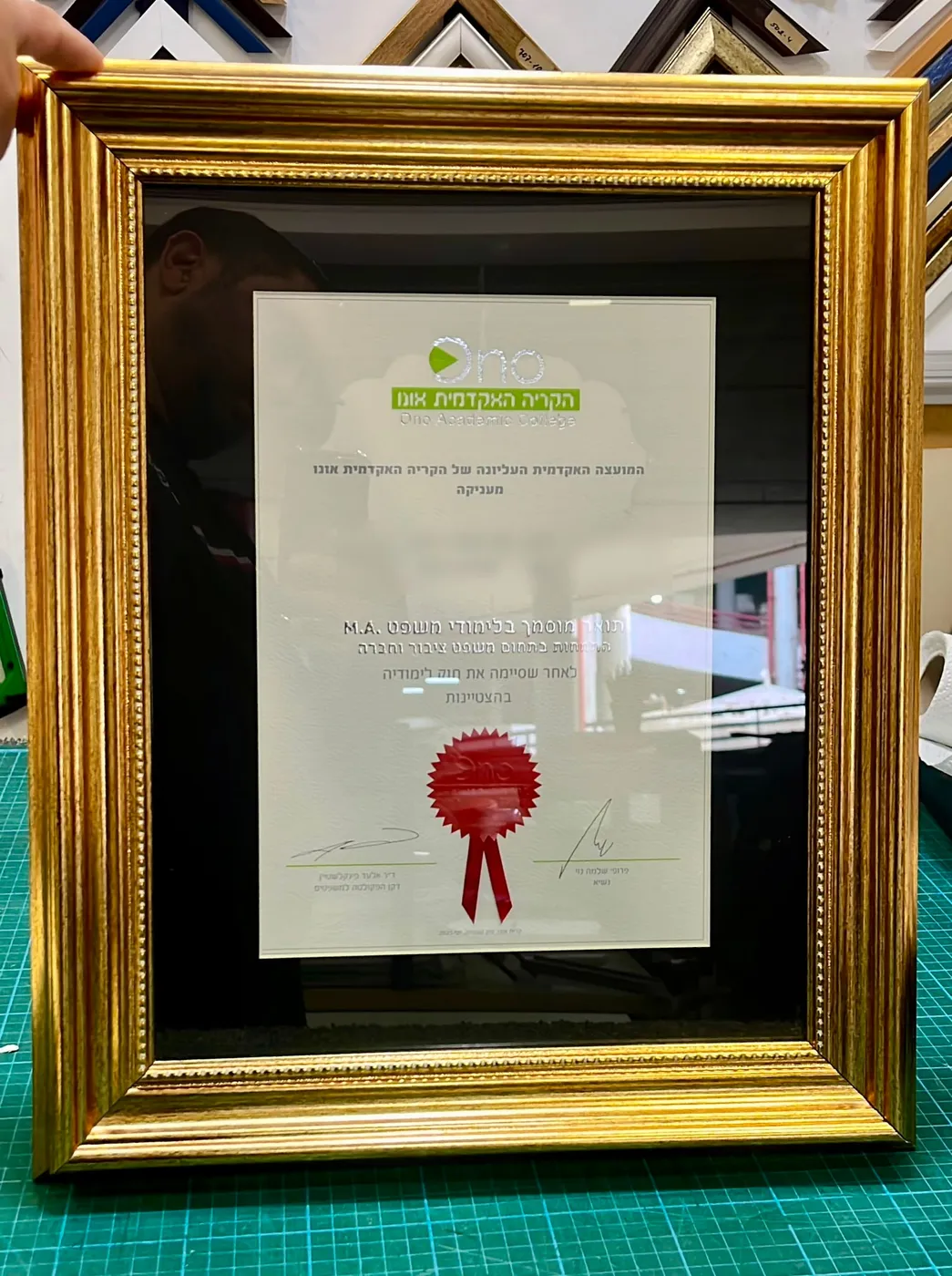
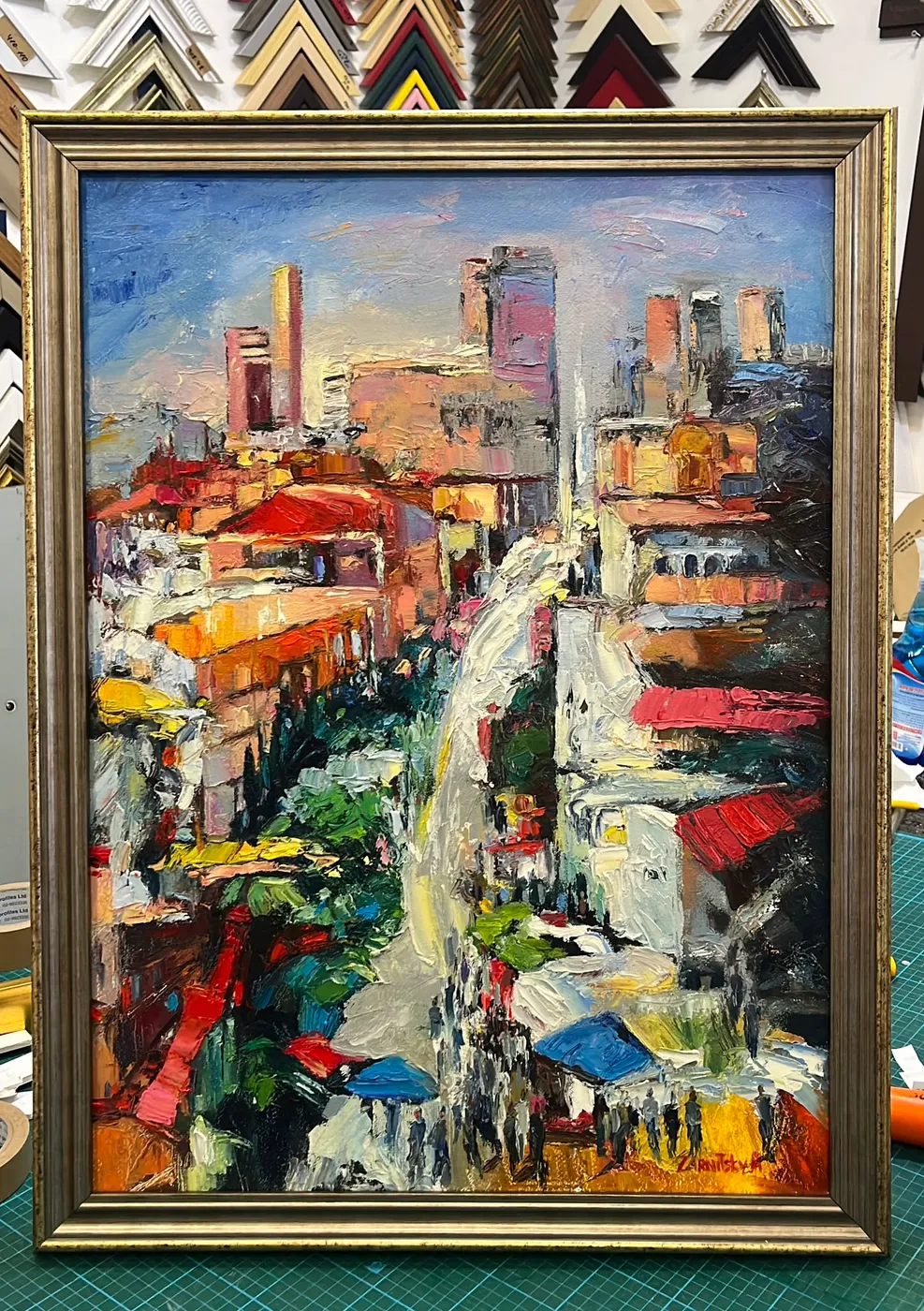
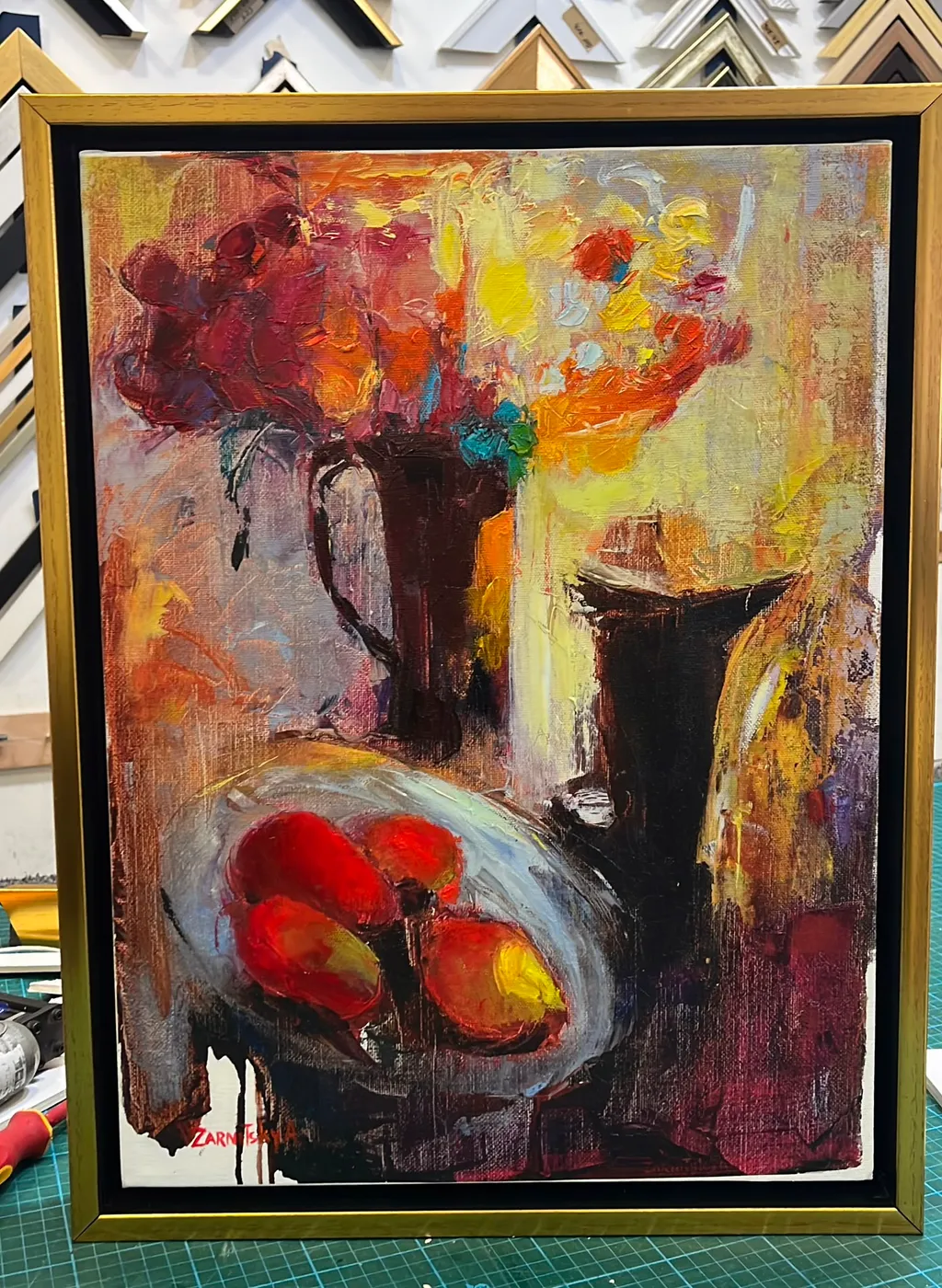
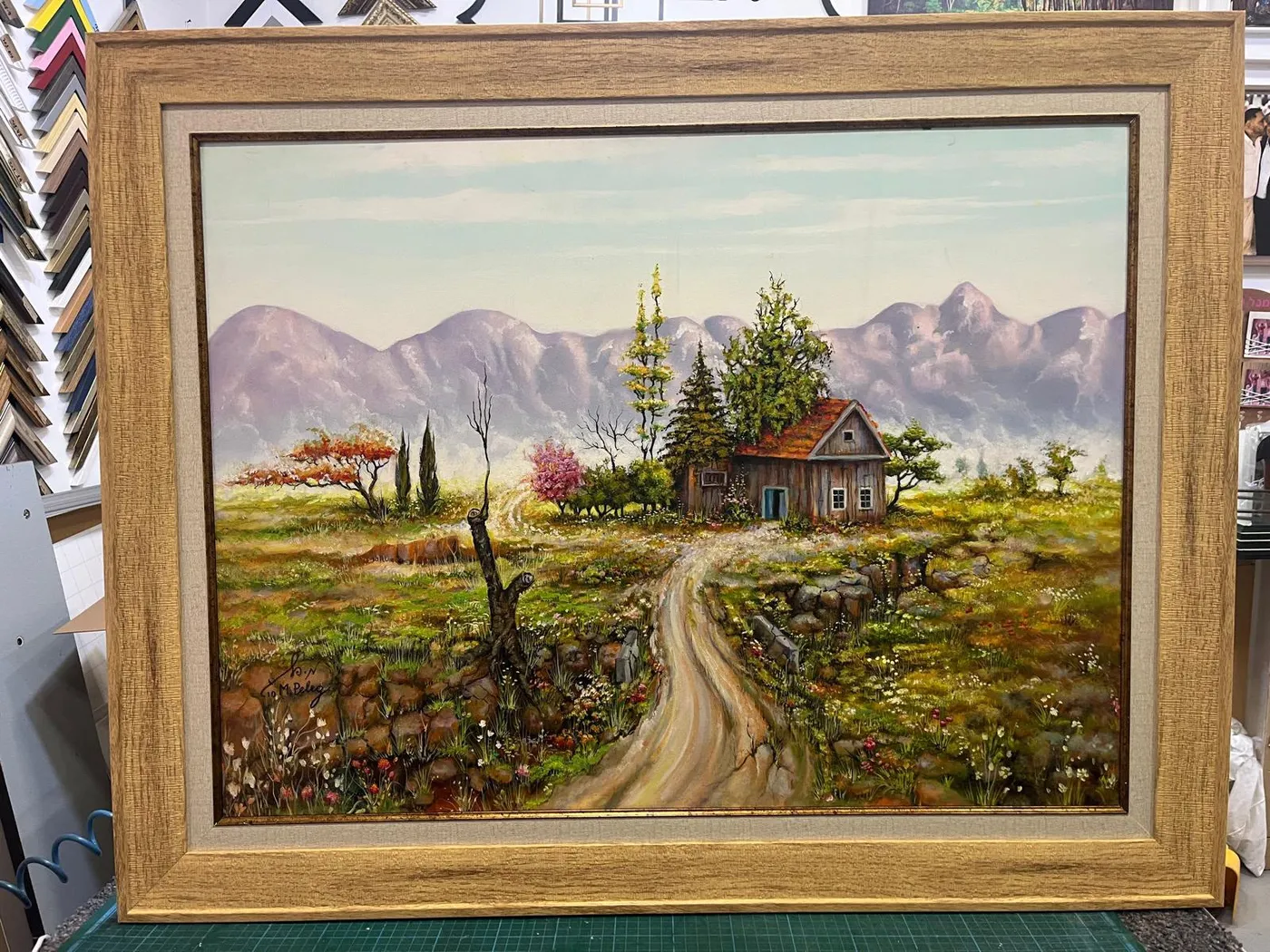
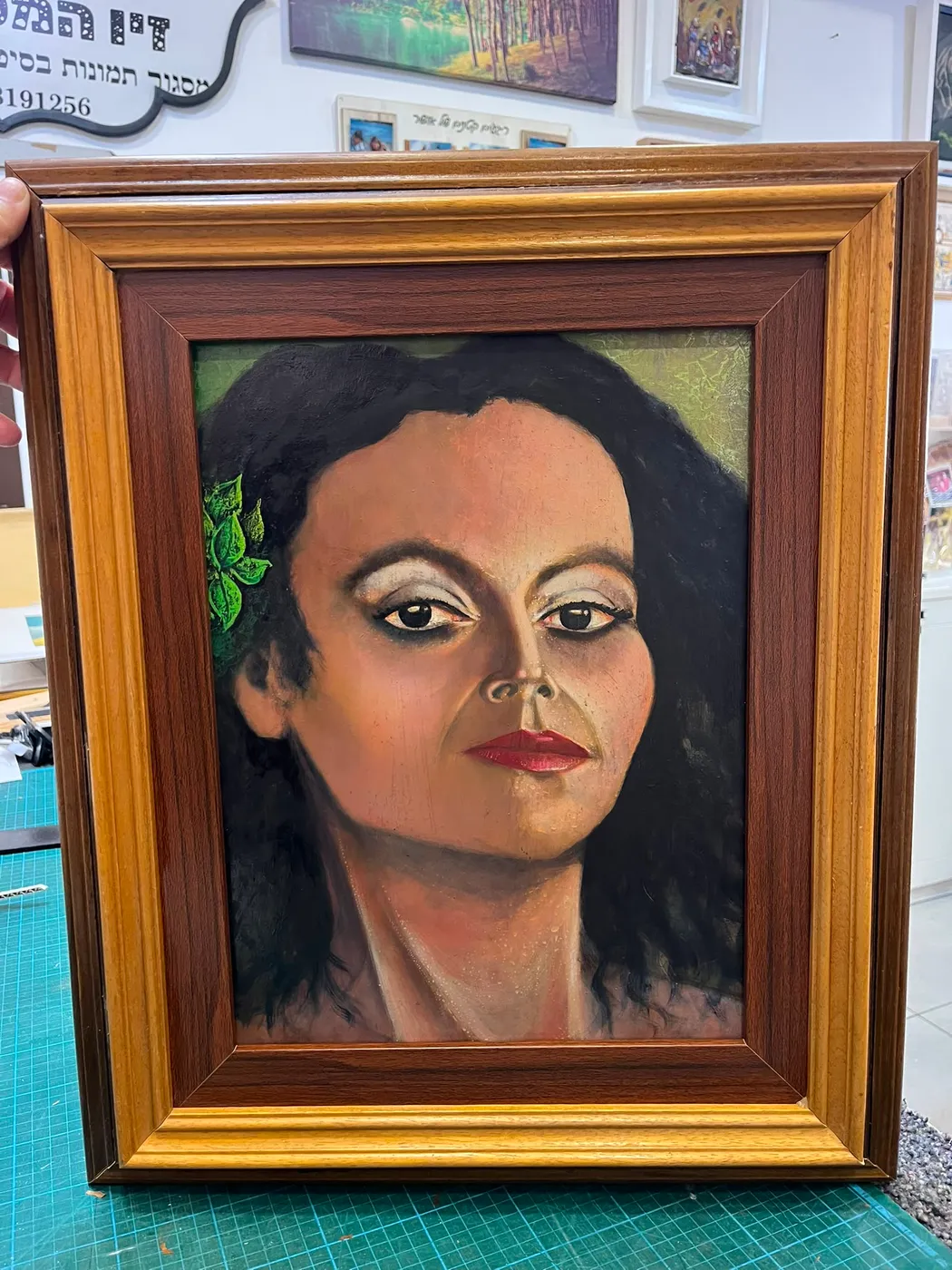
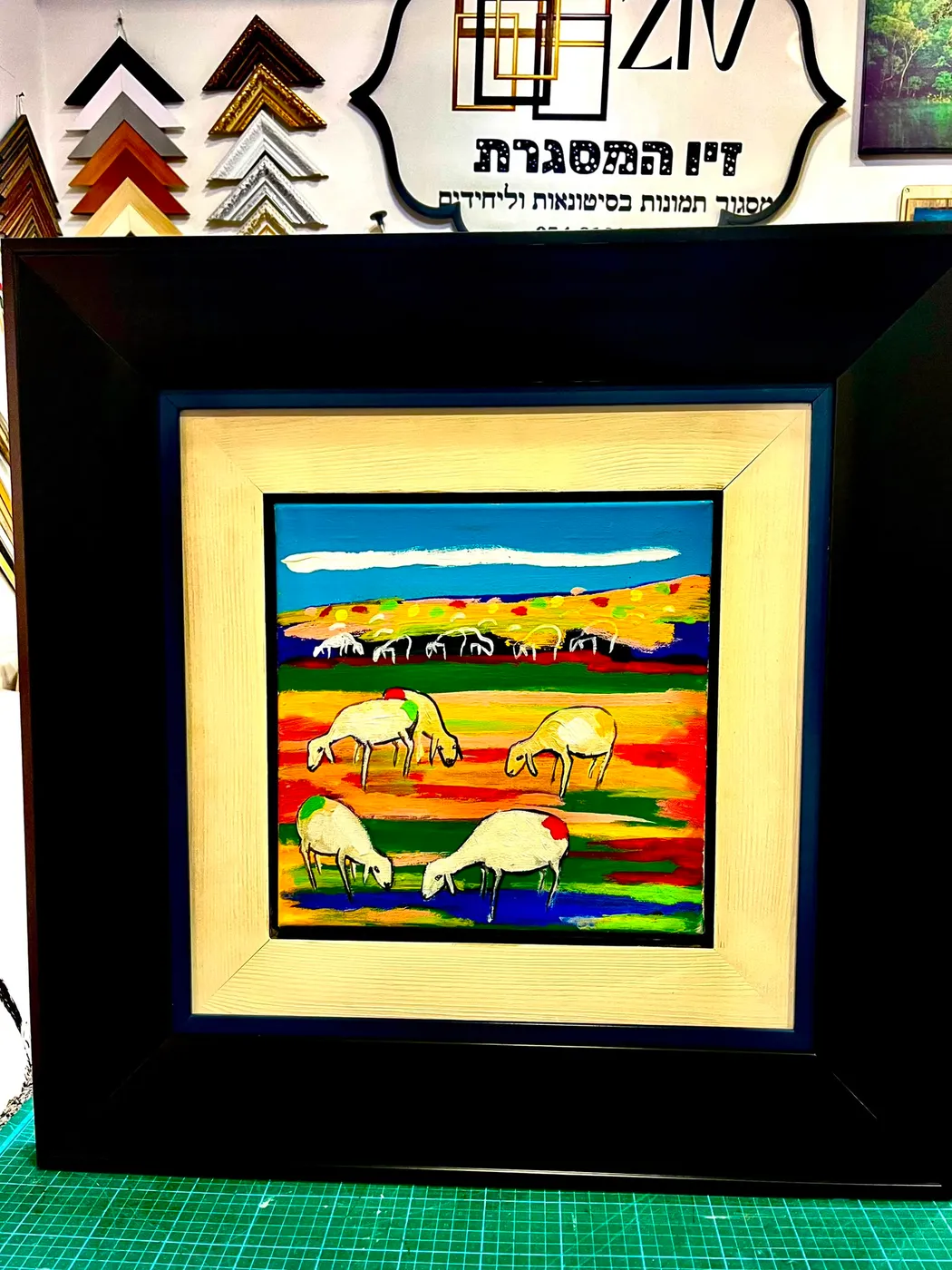
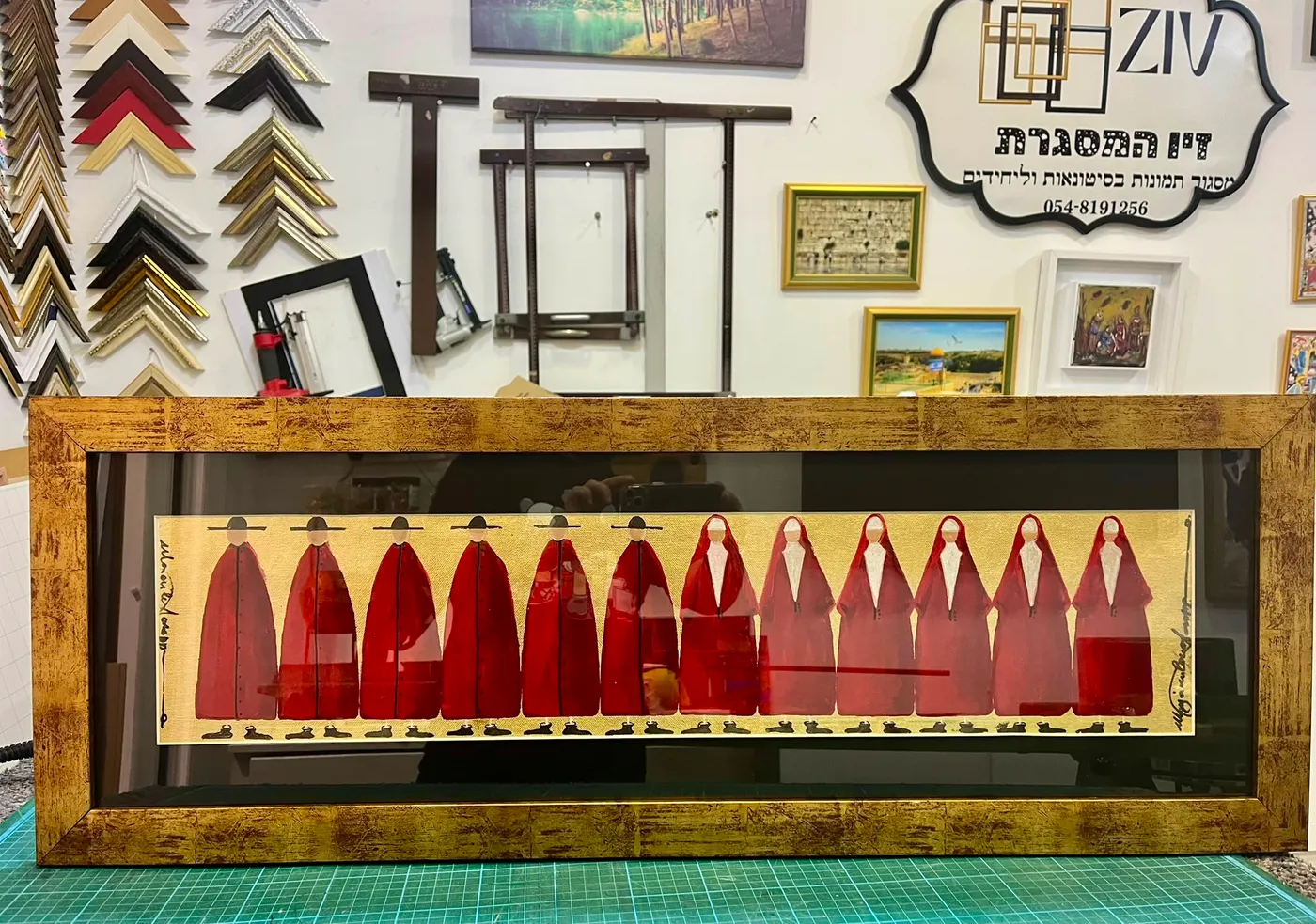
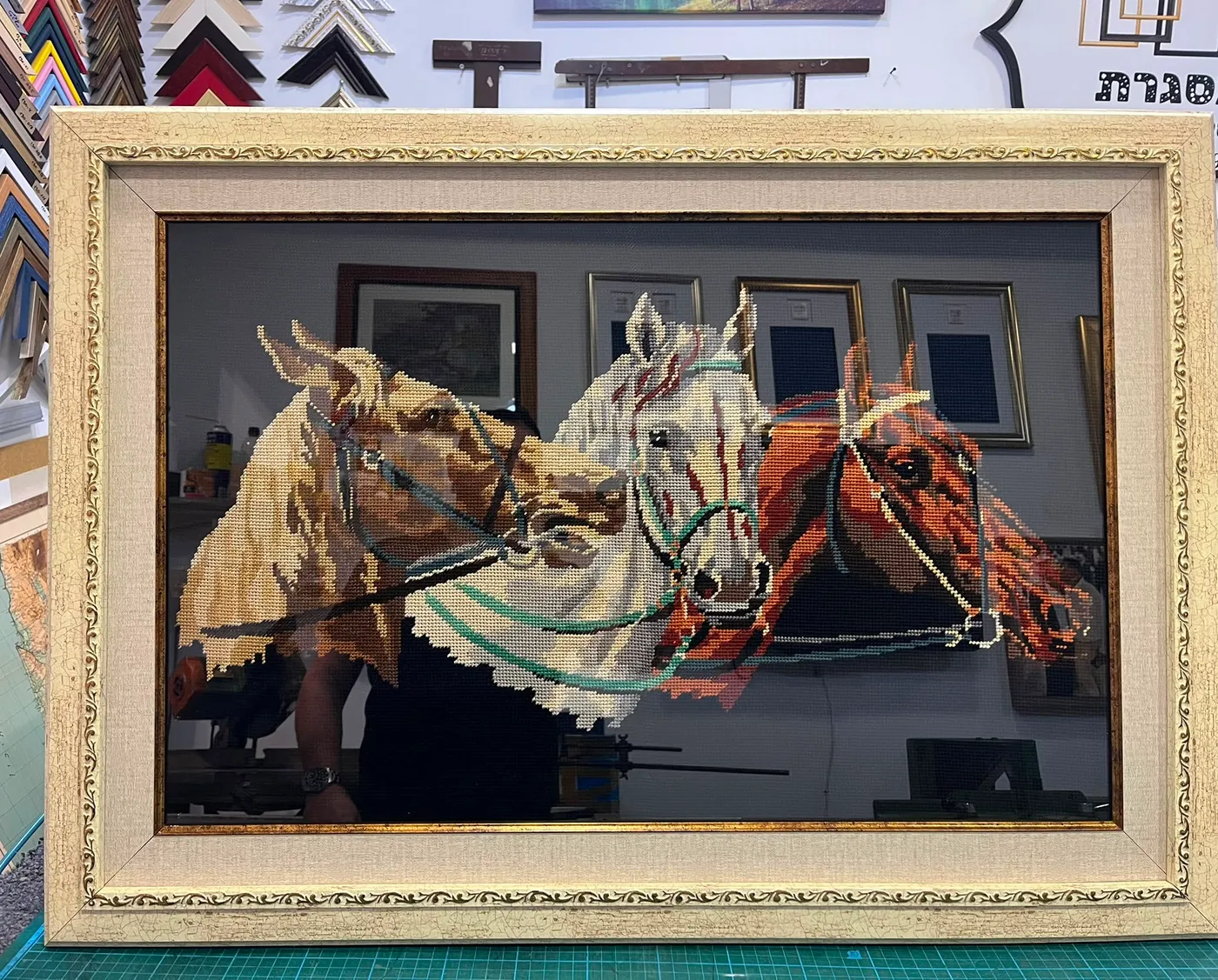
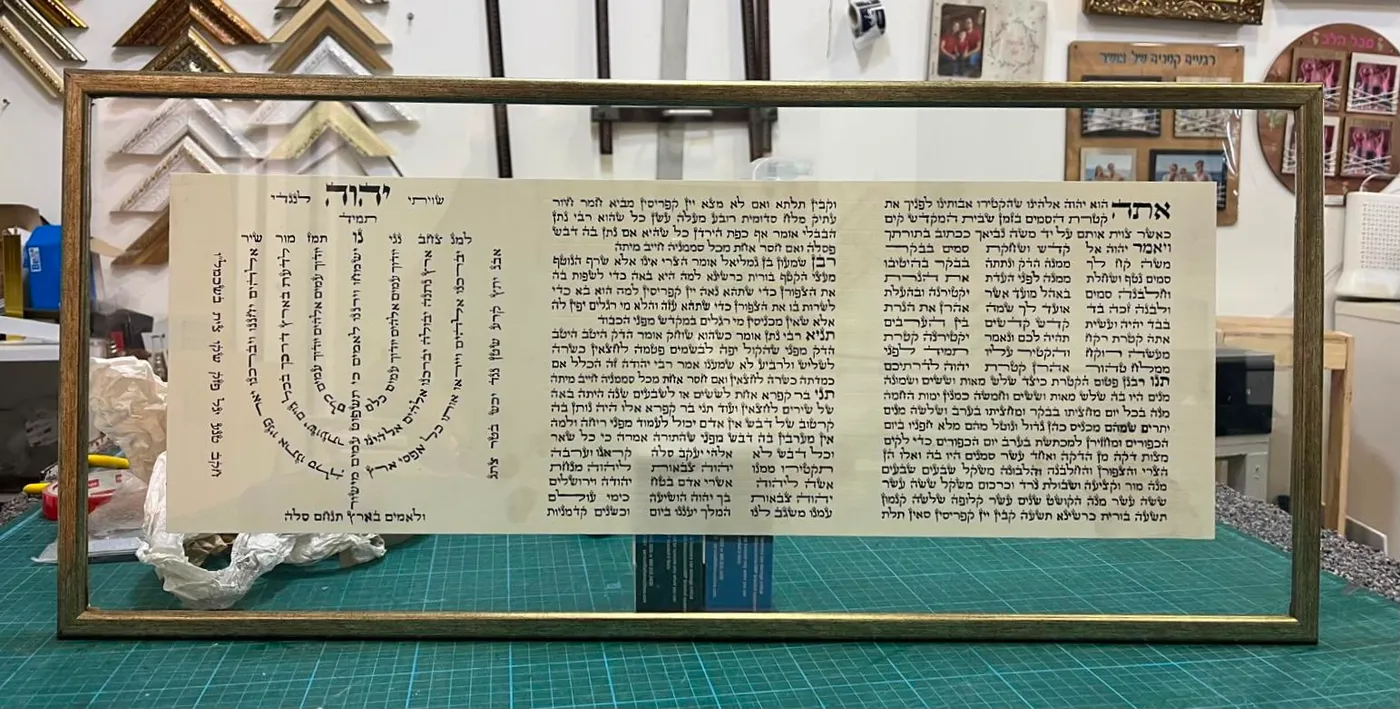
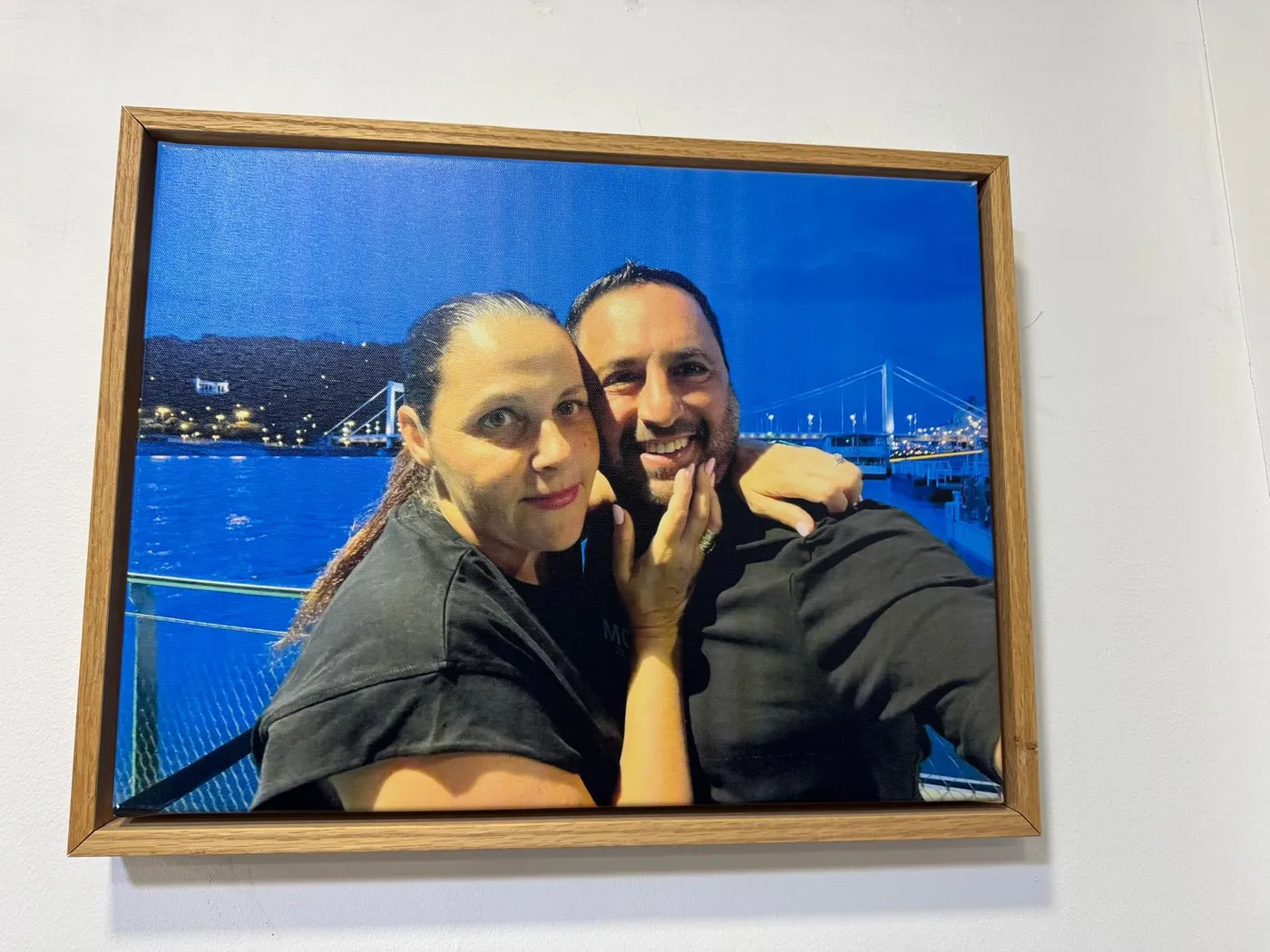

Frequently asked questions
Can I get a frame for a non-standard poster size?
Yes, and it is a big part of what we do. The molding, glass and mat are cut to the poster's size, so an unusual size is no problem and nothing needs to be trimmed off the poster itself.
Do you have frames for 50×70 cm posters?
Yes. Around 50×70 cm is the most common size for commercial posters, and at the studio it is cut to measure like any other size.
My poster is rolled. Do I need to flatten it first?
No, bring it rolled. We flatten it at the studio before measuring. What matters is not folding it: a crease in paper is permanent damage that stays visible even under glass.
Does a poster need a mat?
It isn't required, but it is the addition that changes the most. It gives the design breathing room, keeps the paper away from the glass, and covers uneven or damaged margins. On a poster that already has designed white margins, it is worth looking at both together.
Which molding suits a poster best?
Usually a thin molding in black, white or aluminum: it contains the design without competing with it. Warm wood suits vintage posters and art prints. An ornate gold or silver molding almost never works on graphic design.
Do you sell posters?
No. We frame the poster you bring, and print from your file if you don't have a print. There is no catalog of ready-made designs for sale here.
How long does poster framing take?
Most jobs are ready within two business days, and there is also an express option, depending on how busy the studio is that day.
More services
How to find the studio
3 Naftali Palatin St., Booth 147, Rishon LeZion