הגעתי למסגר תמונה וקיבלתי שירות מדהים מזיו. סבלני, מקצועי, אדיב ועם יחס אישי שלא רואים בכל מקום. עזר לי לבחור את המסגרת המתאימה ונתן תחושה שבאמת חשוב לו שהכול ייצא מושלם. ממליצה מאוד לכל מי שמחפש שירות איכותי וחוויית לקוח נעימה. תודה רבה
סיון אגי 5.0 · 94 Google reviews
Canvas and painting stretching on wood frames
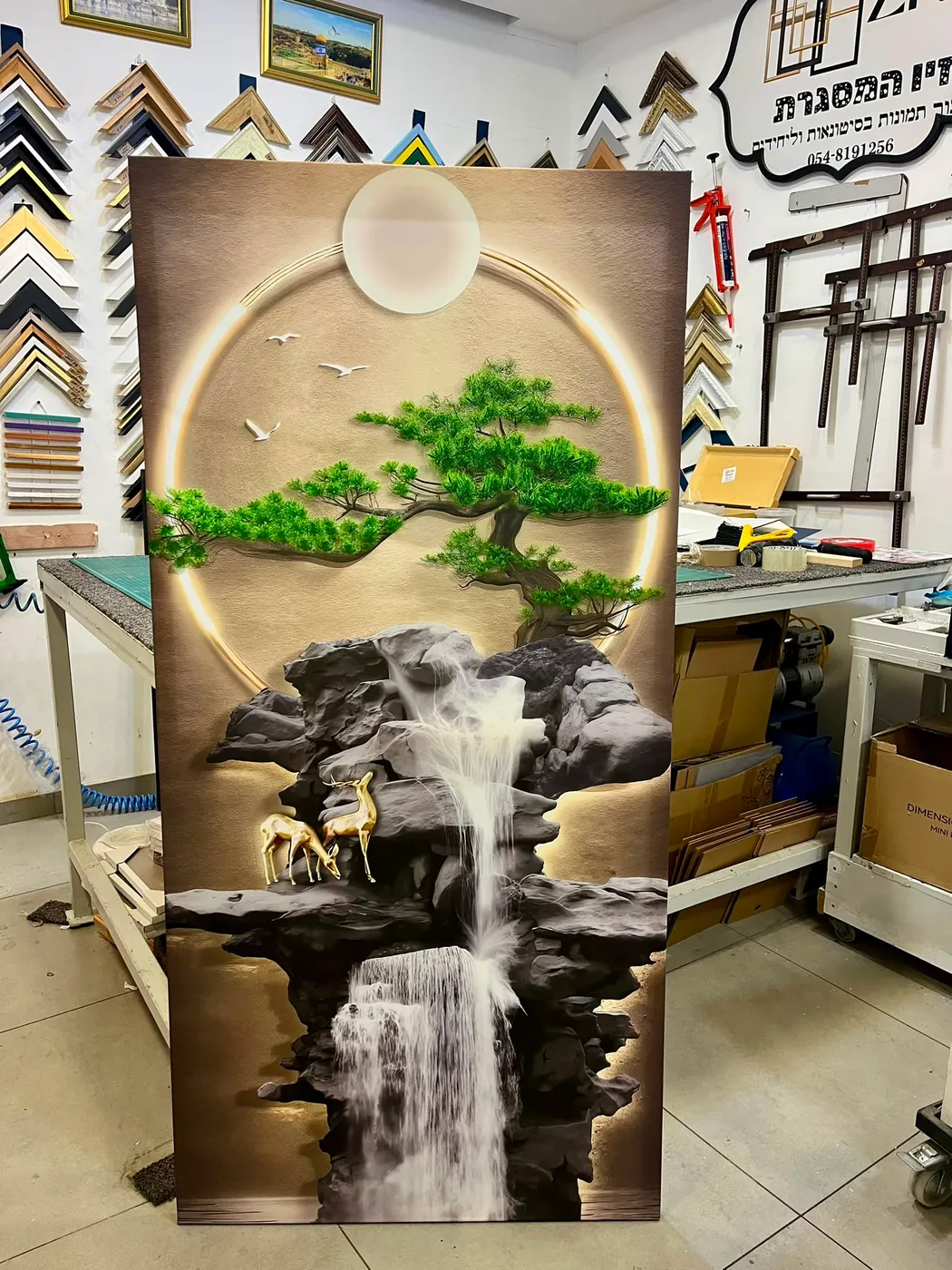
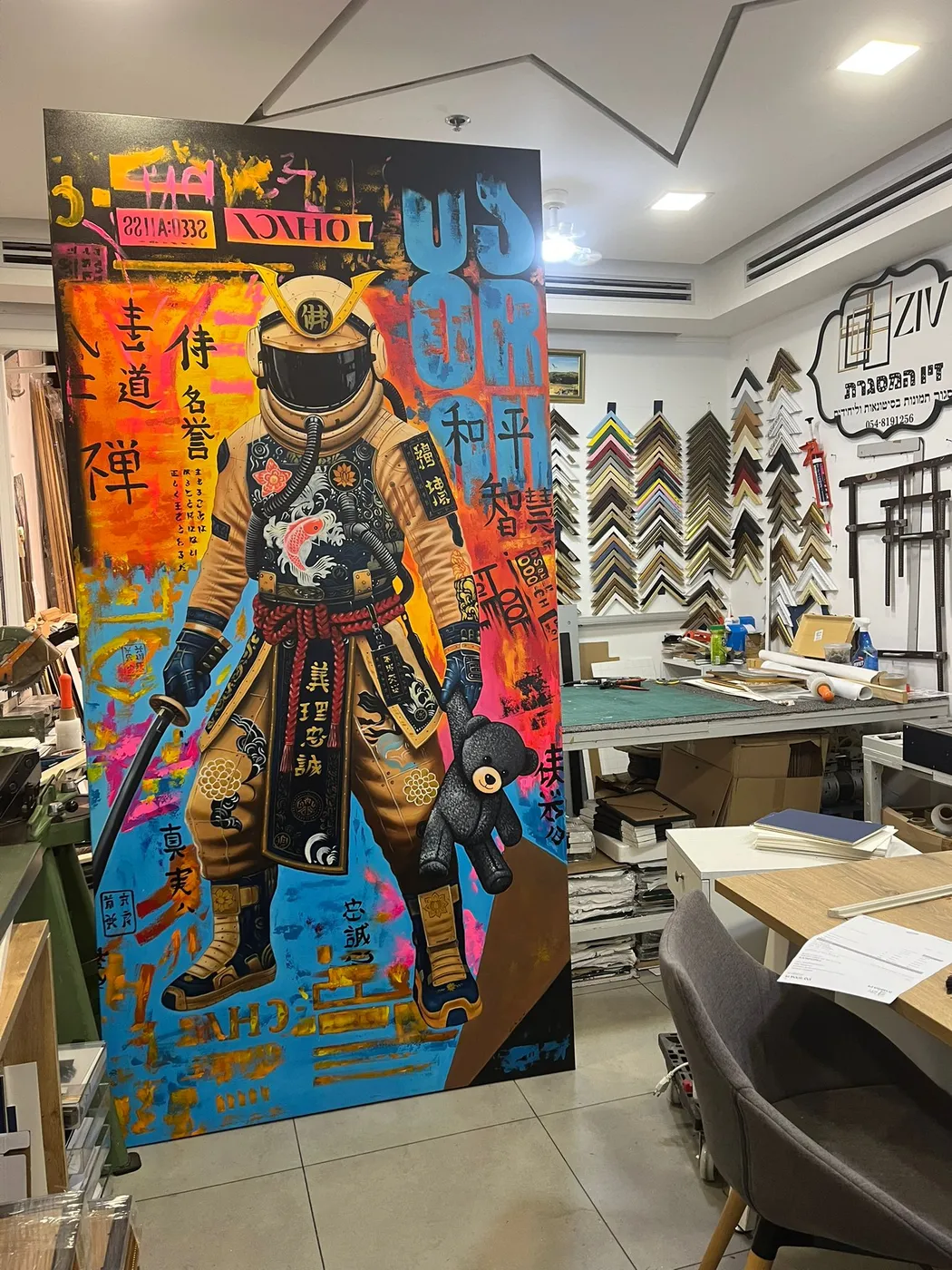
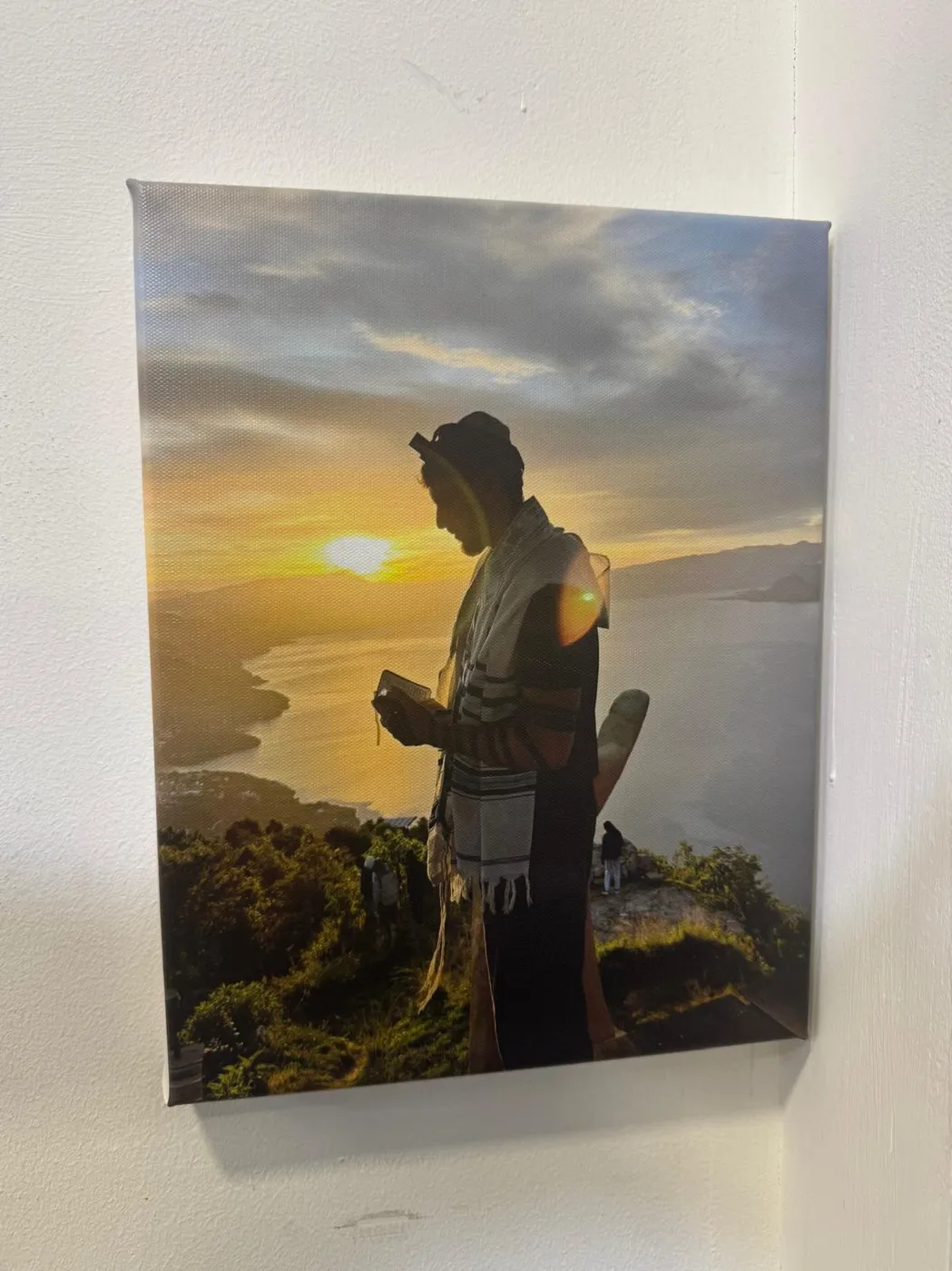
Stretching is what turns a painted or printed piece of fabric into something you can hang. The fabric is pulled over an inner wooden frame, fixed at the back, and comes out ready for the wall. We stretch any size: a painting you made, a print that arrived rolled up in a tube, or an old canvas that has gone slack.
Walk in during opening hours. Free parking, no appointment needed. Rather ask first? Message us on WhatsApp.
- Studio in Rishon LeZion
- Most jobs ready within two business days
- Personal advice, 30 years of experience

- Bring your piece to the studio
- Choose a frame and get a quote on the spot
- Pick it up when it is ready
What canvas stretching is
A stretched canvas is fabric pulled over an inner wooden frame, a simple rectangle of four stretcher bars, and fixed to its back edges. What you see at the end is a flat, taut surface of fabric, with the sides wrapped in fabric too, no glass and no outer frame.
The stretching itself is not just "pulling hard". The fabric is pulled alternately from the center in opposite directions, so the tension spreads evenly and no ripples or diagonal pulls form. The corners are folded neatly so they lie flat and don't bulge from the side.
Done right, the surface stays taut for years. Fabric that was stretched badly starts to sag within months, and you see it from exactly the angle you look at the wall from.
Stretching fabric you bring in
This is what most people are looking for when they land here. You painted on fabric and don't know what to do with it; you bought a canvas print that arrived rolled in a tube; you inherited a painting on fabric with no frame. In every one of these cases the fabric already exists, and the only question is how to turn it into a hanging piece.
Bring the fabric to the studio. Rolled is perfectly fine, and rolled is better than folded. We measure it, build an inner wooden frame to its exact size, and stretch it.
The one thing worth checking beforehand is how much spare fabric there is at the margins. The fabric has to wrap around the side of the frame and reach the back so it can be fixed there. If the blank margins are too small, the final size of the piece will have to shrink a little. We talk about that before we start, not after.
Frame depth and what goes into the wrap
The inner frame has depth, and it shows from the side. A standard depth of around 2 cm gives a subtle look and suits most work; a deeper frame, around 4 cm, gives the piece the presence of an object and suits large canvases and paintings that hang without an outer frame.
The depth also decides how much fabric disappears into the wrap. The deeper the frame, the more fabric moves from the front onto the sides, and that changes exactly what stays visible of the image. For a painting whose composition runs right to the edge, that is a real consideration, not a technicality.
With a print we produce from scratch, this can be planned ahead by adding margins for the wrap. With fabric that is already painted or printed we work with what there is, so we look at the edges together before stretching.
Stretching, and when a frame is worth adding
A stretched canvas comes out ready to hang as it is, and for most work that is enough. There is no glass, no glare, and it is far lighter than a frame of the same size, which means it hangs on drywall without hunting for a stud.
Framing a canvas means adding an outer frame around the stretched fabric, and it is a finishing choice, not a necessity. A floater frame leaves a thin gap between the fabric and the molding and makes the work look as if it is floating inside it; a classic frame that sits tight gives a traditional, finished look.
An outer frame is especially worth considering when the work is going to a formal space, when it is a gift, or when the sides of the canvas are not good enough to stay exposed. Otherwise, a stretched canvas on its own is a completely finished result.
Old, rolled or slack canvas
Fabric that has been rolled in a tube for months holds on to its curl. Before stretching we let it lie flat and settle, which makes for a better result. If the fabric was folded rather than rolled, there may be a crease line left in it. Show it to us before we start so we can tell you what will happen to it when it is stretched.
A canvas already hanging at home that has gone slack can be restretched. Sometimes it is enough to redo the fixing and pull the fabric again over the same inner frame, and sometimes it is better to build a new frame. It depends on the state of the wood and the margins left. That gets decided once we see the work.
If the piece is old or has sentimental value, mention it when you come in. There is a difference between fabric we can work freely and fabric you want touched as little as possible.
Paintings and prints: what differs
Painted fabric and printed fabric behave differently under tension, so we look at them differently before starting.
An oil or acrylic painting is a layer of paint on the fabric, and that layer has limited flexibility. An old painting whose paint has fully hardened can crack at the folded corners if it is stretched with force, so with an older painting we stretch more gently, and sometimes recommend an outer frame to take on part of the job. Watercolor and gouache on fabric are even more sensitive, and we check those before touching them.
A print on fabric is usually the simpler story: the ink is absorbed into the fabric rather than sitting on it as a separate layer, so it stretches along with it. What does need checking on a print is the margins. A print trimmed exactly at the edge of the image doesn't leave enough fabric for the wrap, and that is something to find out before, not after.
Either way, we build the inner frame to the size of your fabric, rather than fitting the fabric to an existing frame. That is what lets us work in any size, including proportions with no equivalent in any catalog.
How much canvas stretching costs
We price stretching by the linear meter, ₪50 per meter, and the linear meters are measured around the perimeter of the fabric, meaning the sum of its four sides. So you can work out the price yourself before you even pick up the phone: add the length and the width, multiply by 2, and multiply by 50.
For common sizes it comes out like this. A 40x50 cm piece has a perimeter of 1.8 meters, so about ₪90. A 50x70 cm piece is 2.4 meters, about ₪120. An 80x120 cm piece is 4 meters, about ₪200. And a large 100x150 cm piece is 5 meters, about ₪250.
What doesn't affect the price: what is painted on the fabric, and whether it was printed by us or somewhere else. We don't price by where the work came from.
What can add to it: fabric that was folded, a slack canvas that needs taking apart and restretching, or blank margins too short that need a workaround. That shows on the fabric itself, so it is worth sending a photo with the dimensions on WhatsApp before you drive over.
An outer frame, if you want one, is priced separately according to the molding you choose. It is not included in the stretching price.
How to order
Come with the fabric to the studio at 3 Naftali Palatin St., Booth 147, Rishon LeZion. No appointment needed, and there is free parking nearby. We measure the fabric and the margins, you choose a depth for the inner frame, and you get a price based on the size. Most jobs are ready within two business days.
If the fabric is large, bring it rolled, not folded. A crease in painted fabric doesn't always disappear after stretching.
Want to check first? You can send us a photo of the fabric on WhatsApp together with its dimensions, including the blank margins at the edges. That is enough to know whether the size you had in mind is realistic.
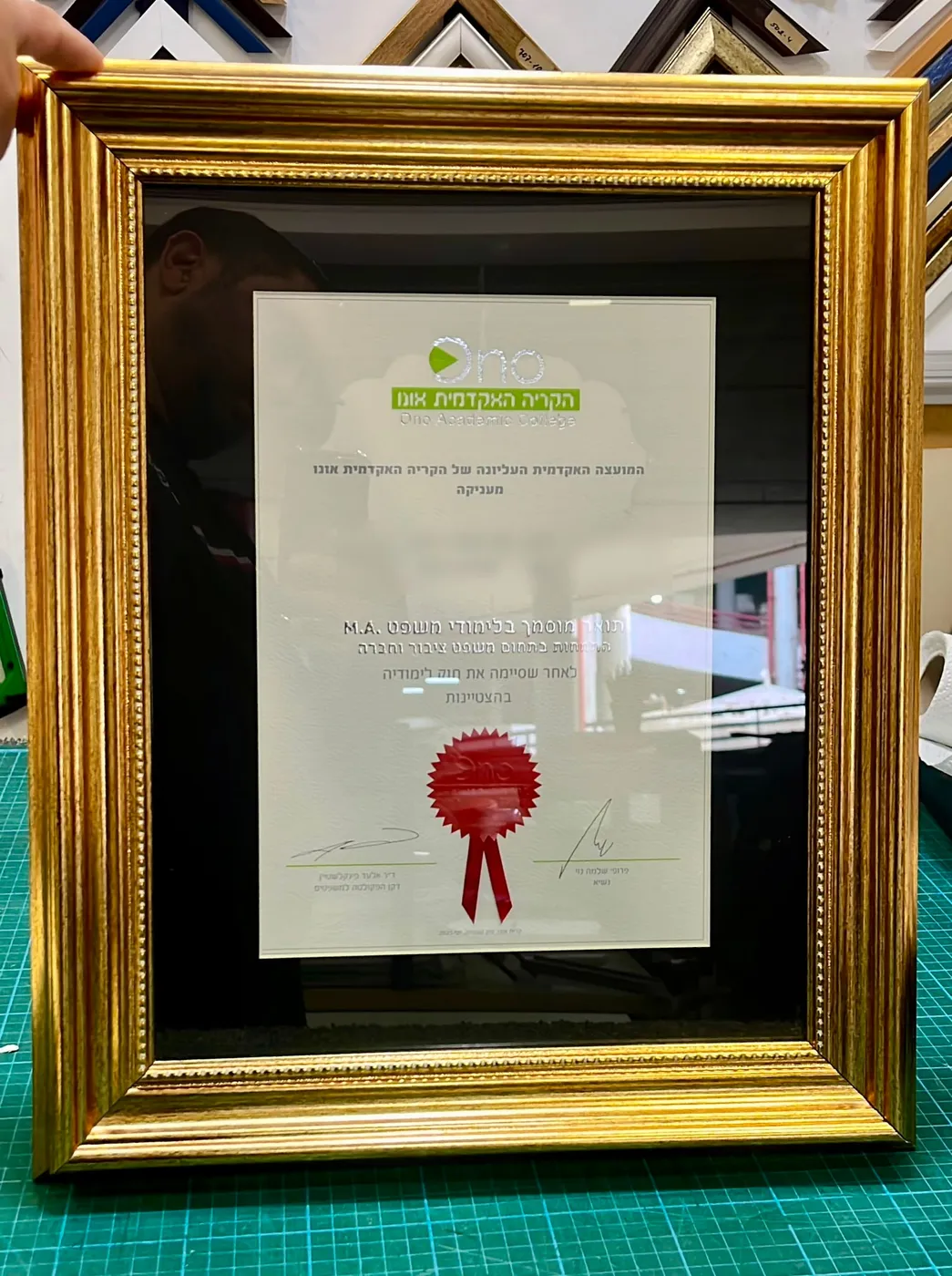
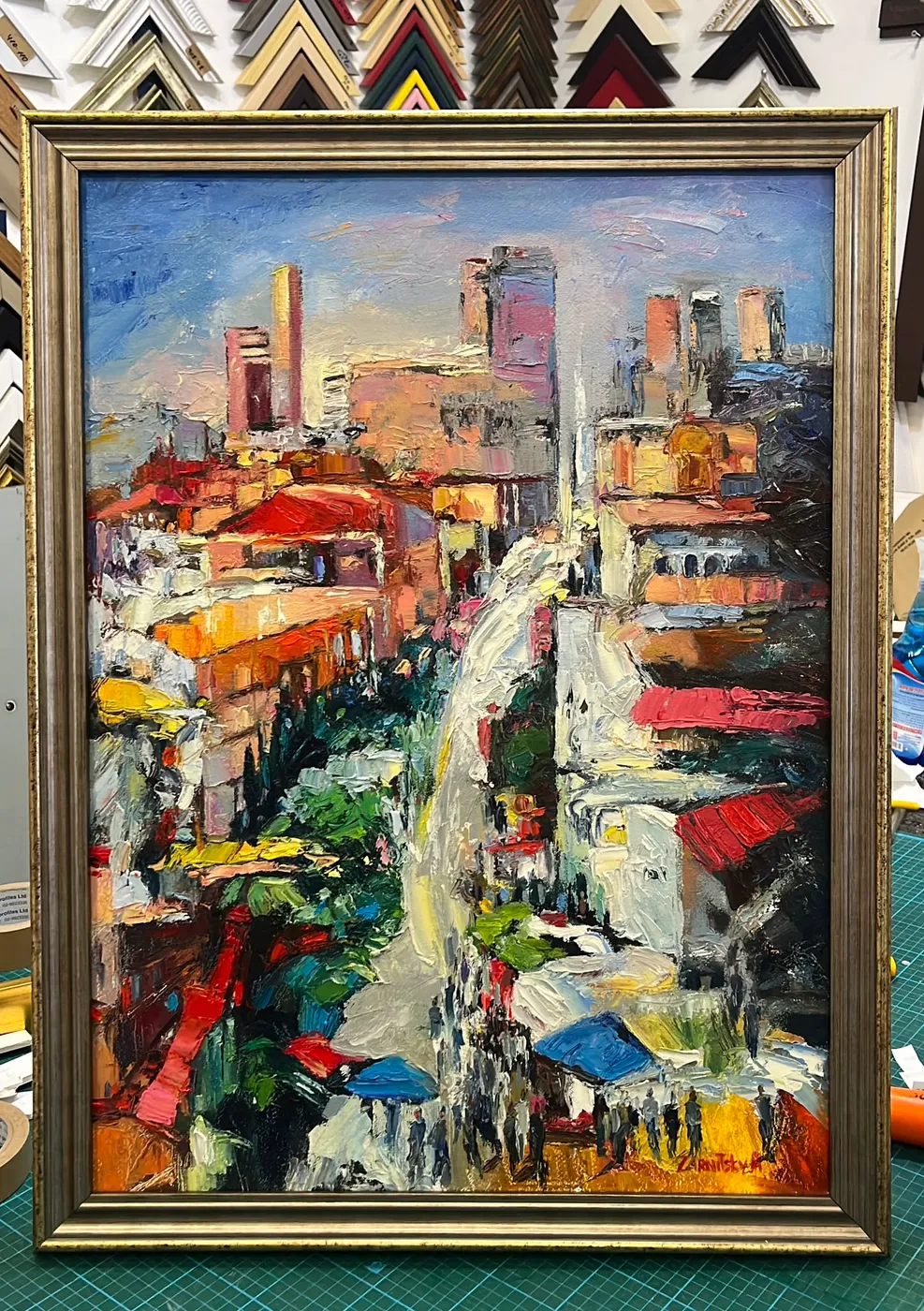
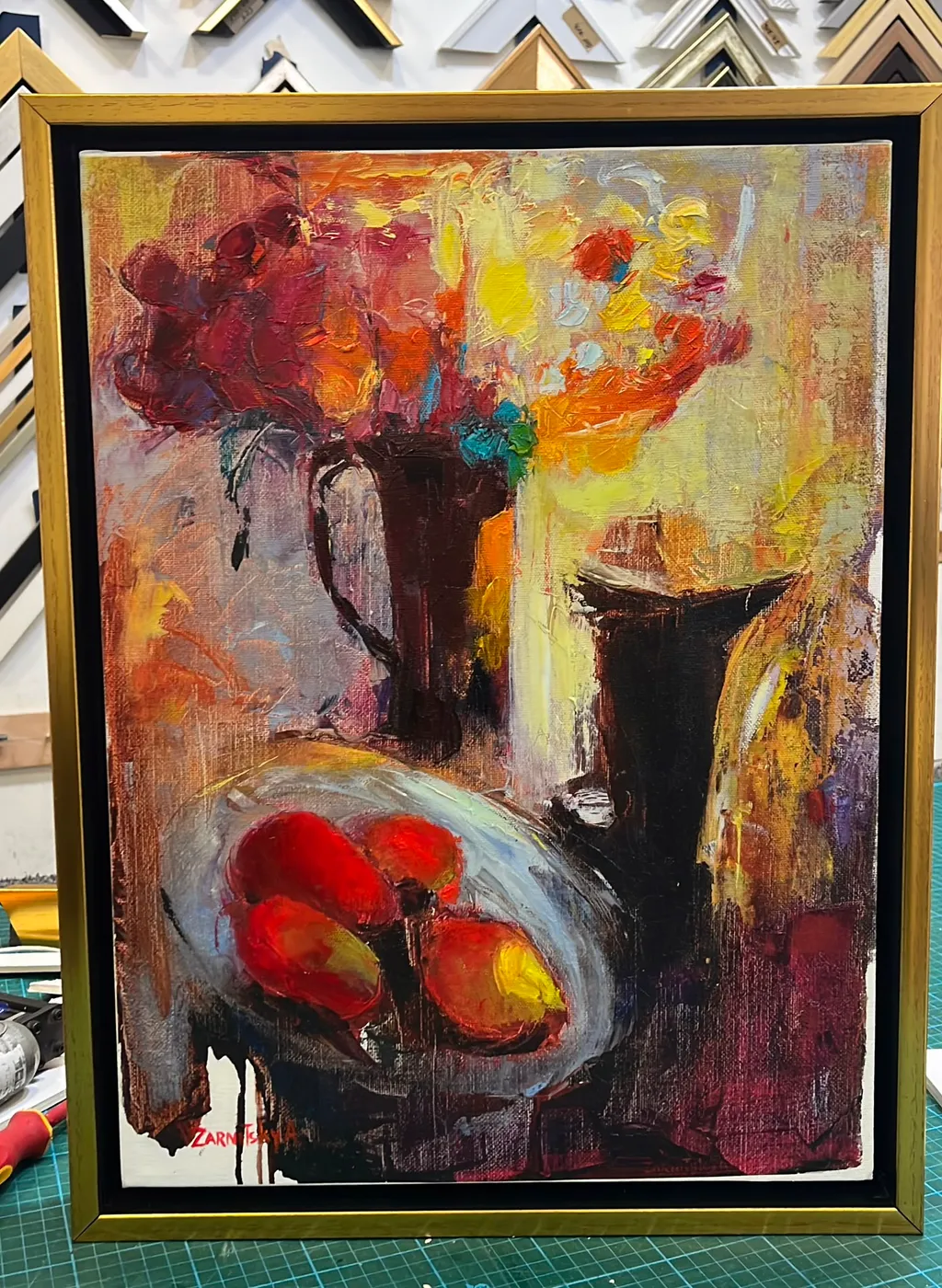
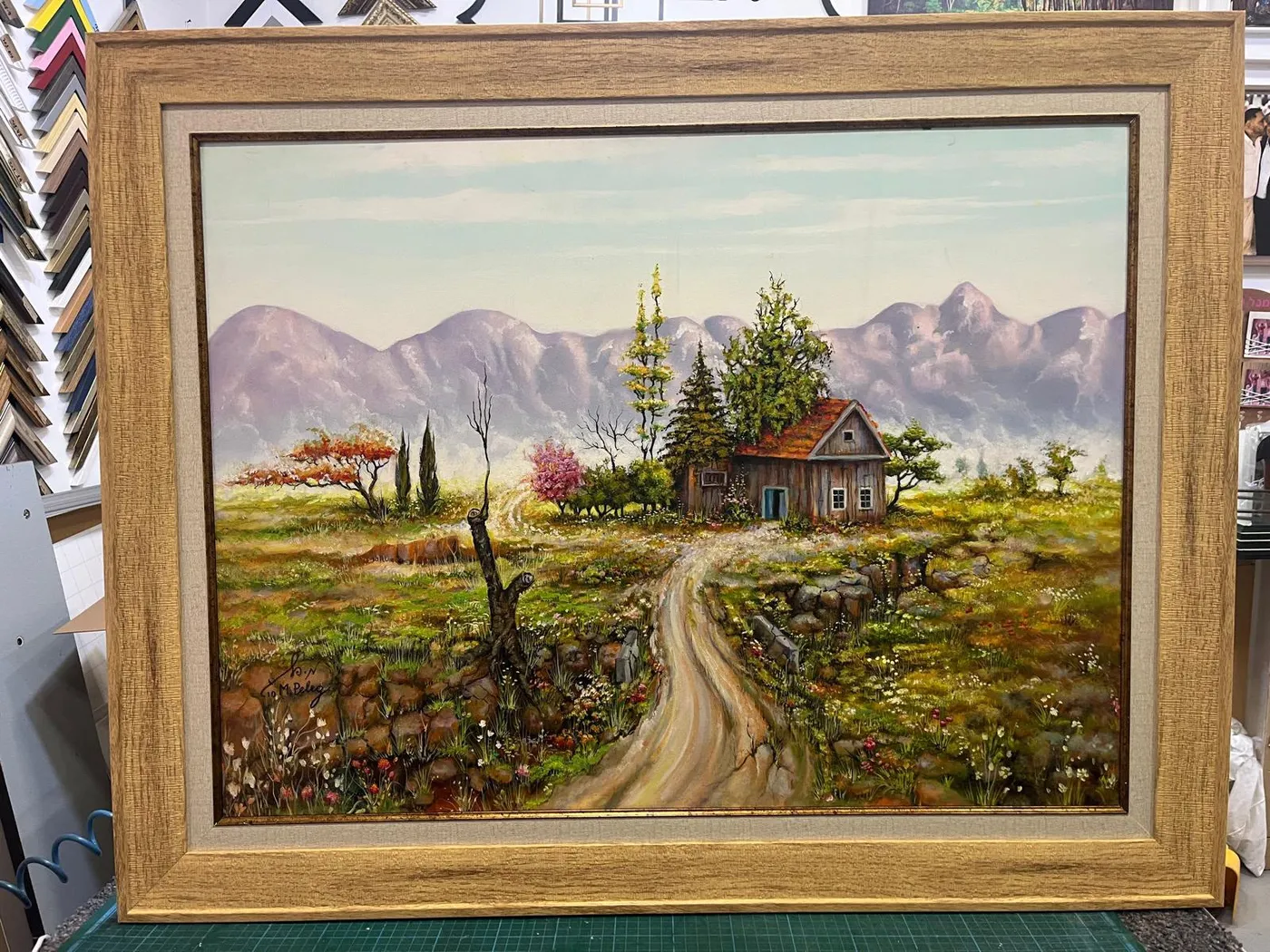
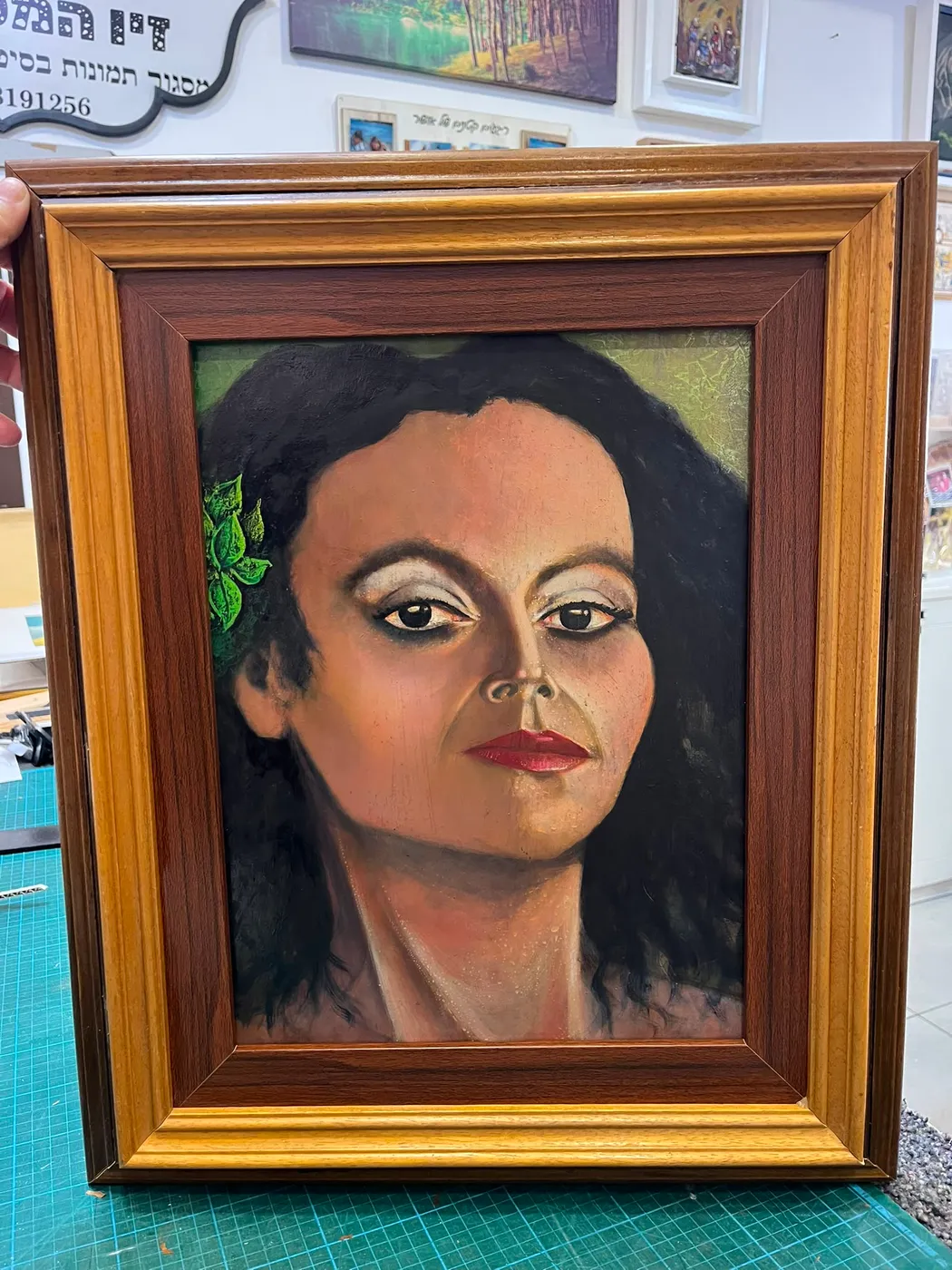
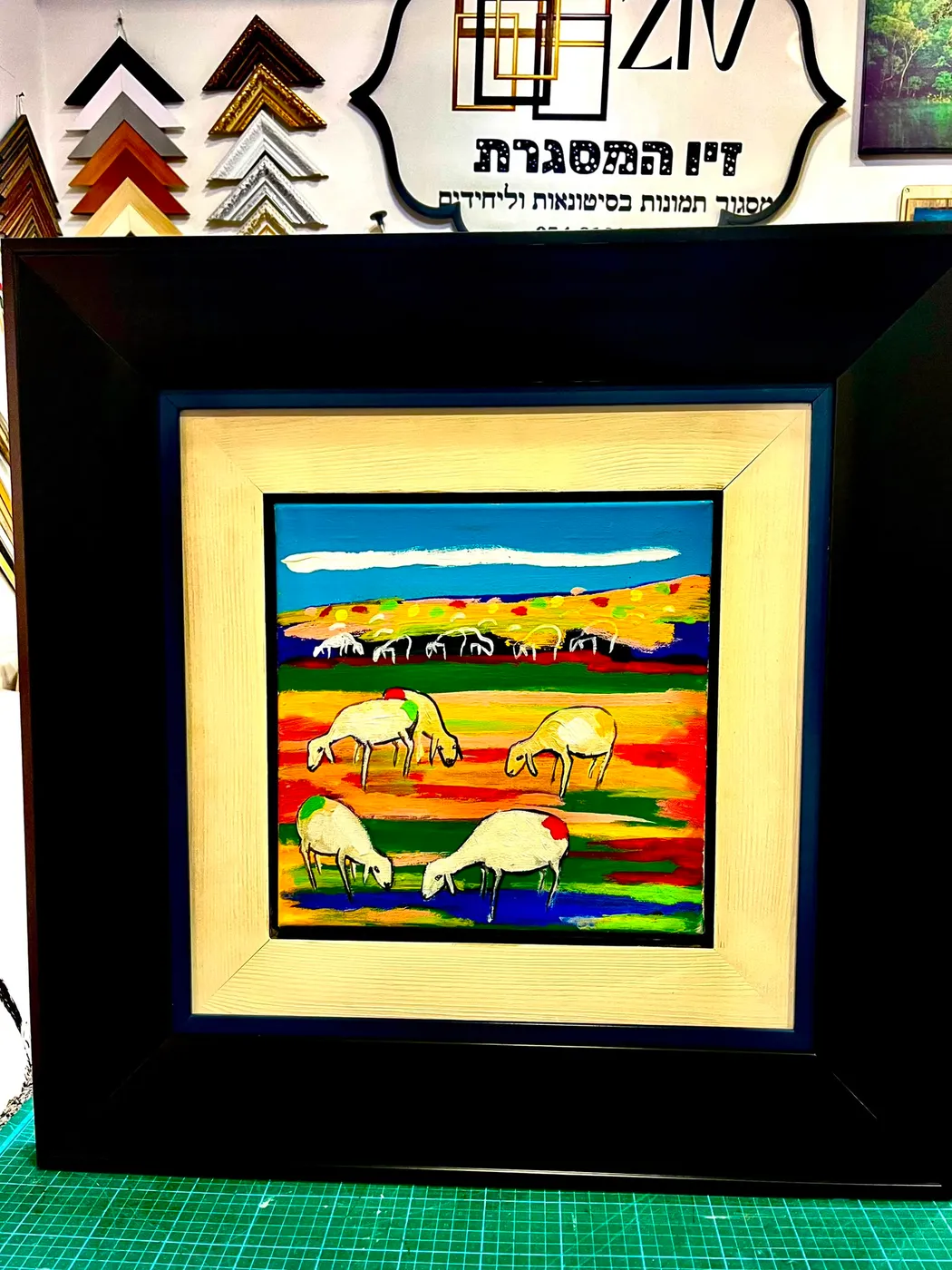
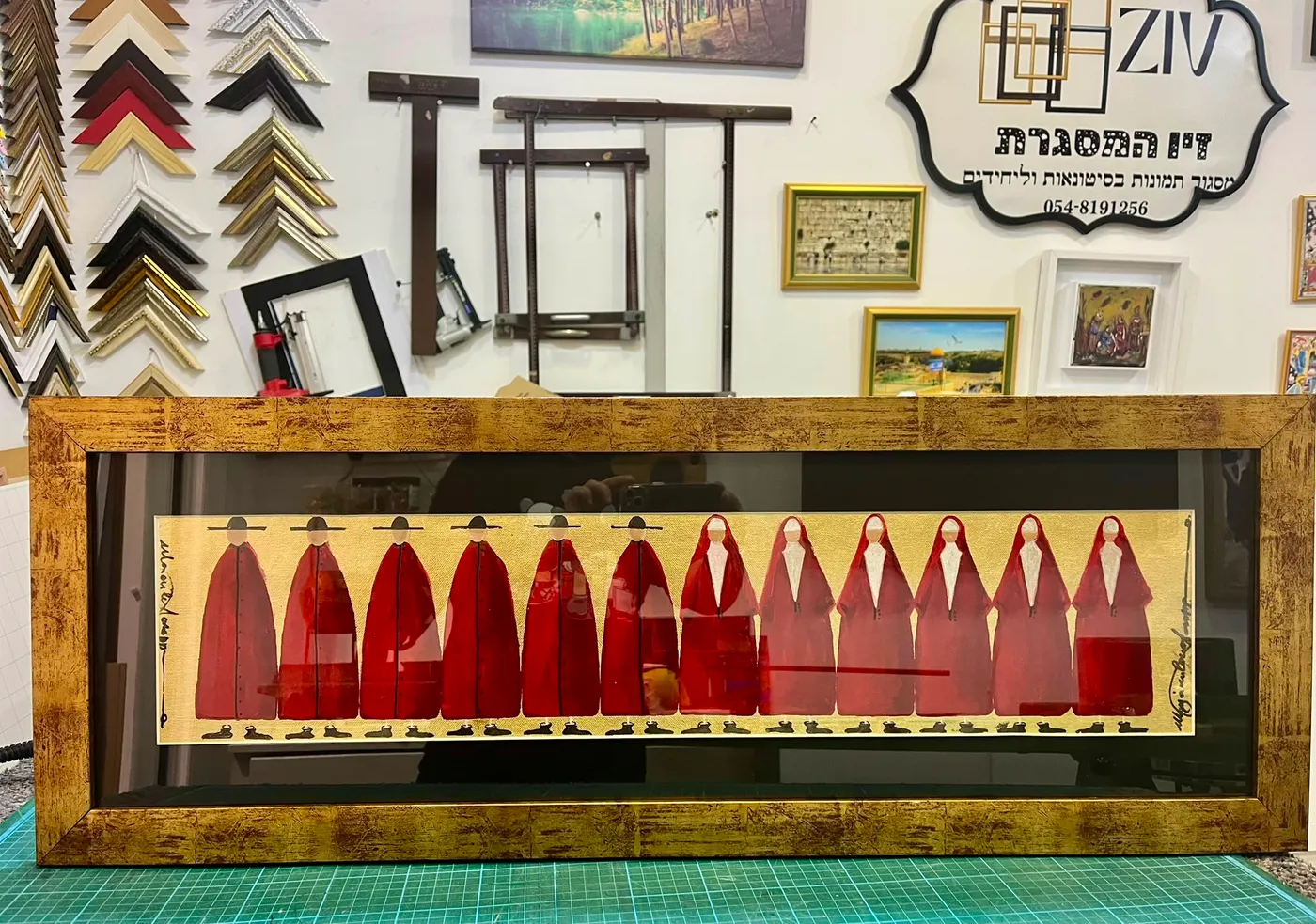
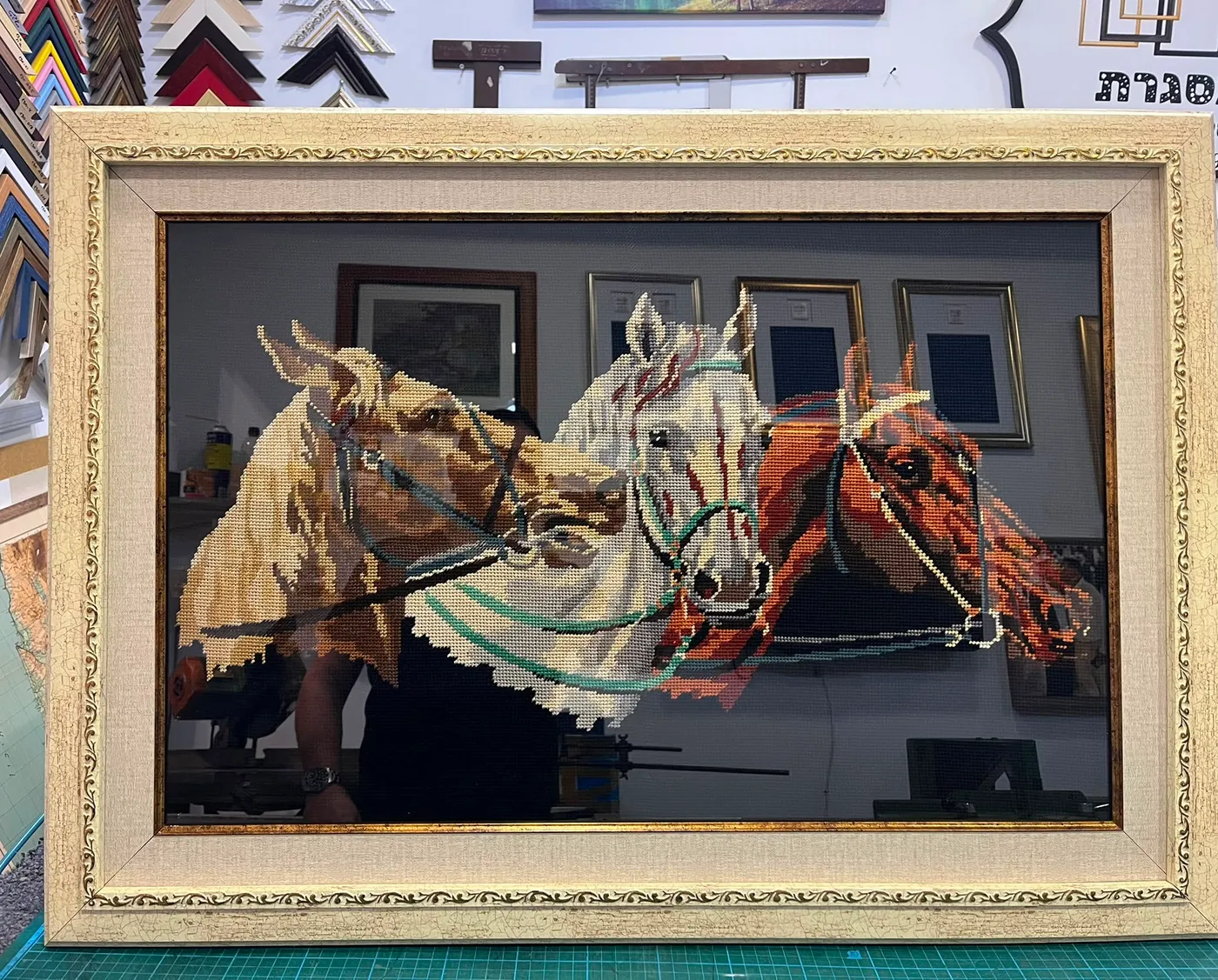
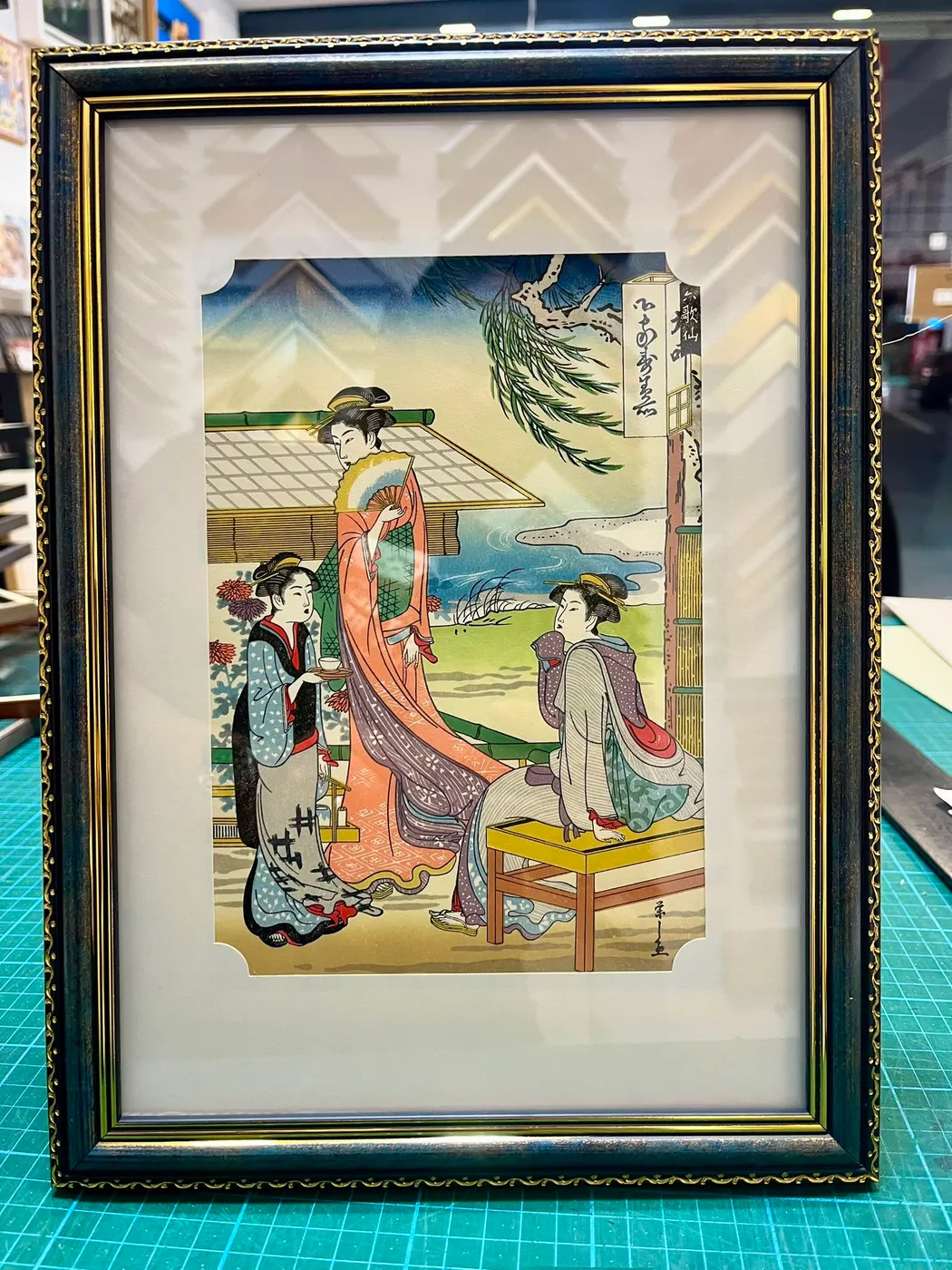
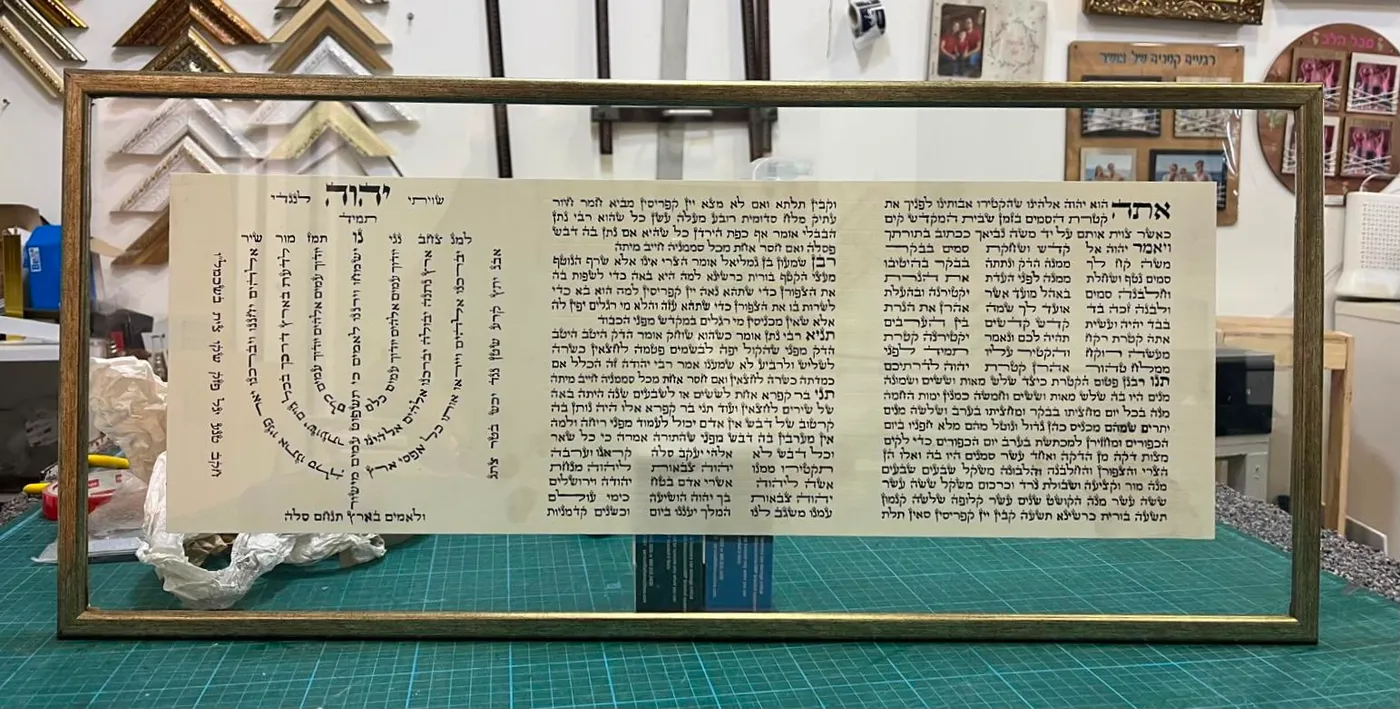
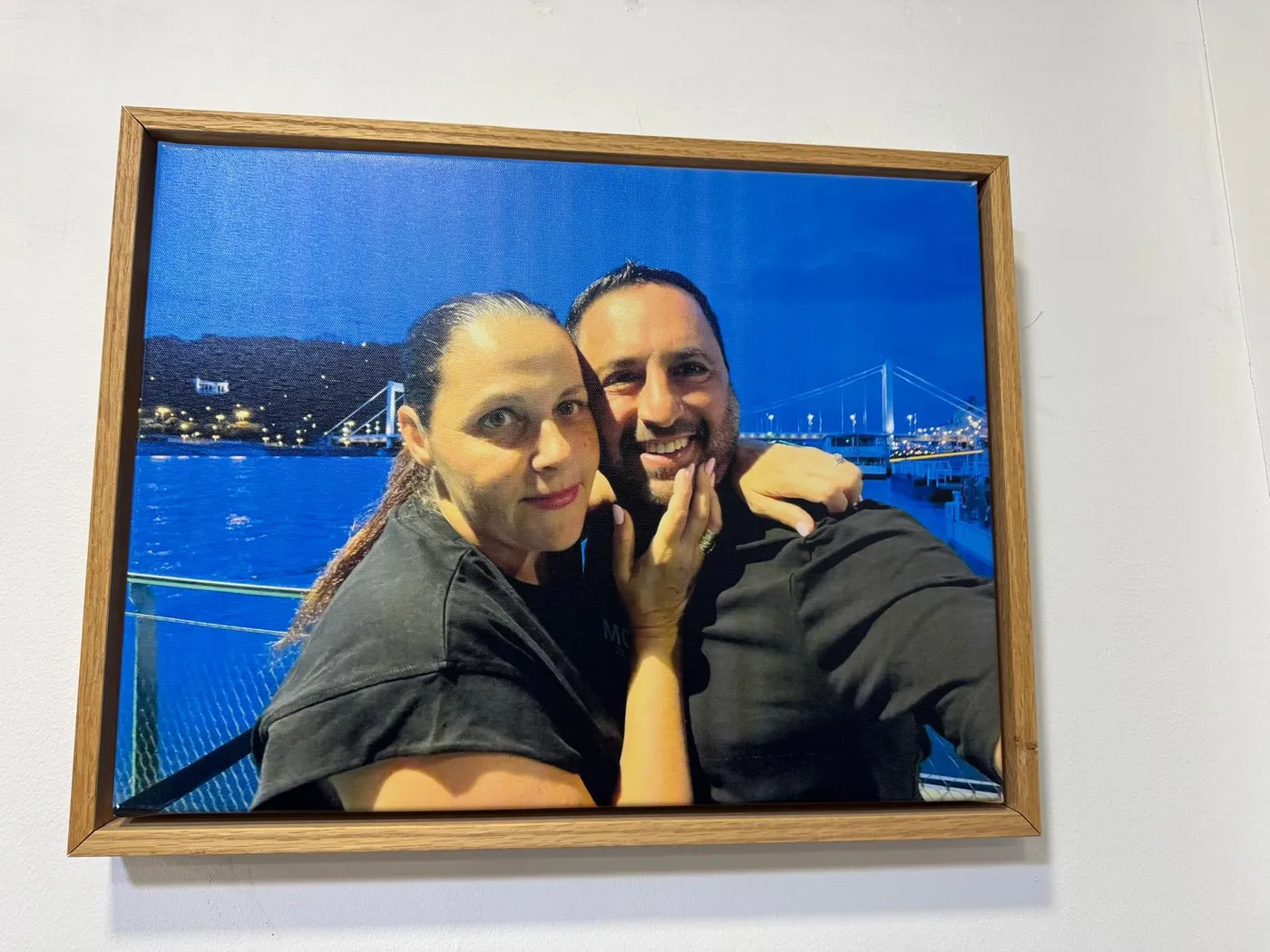
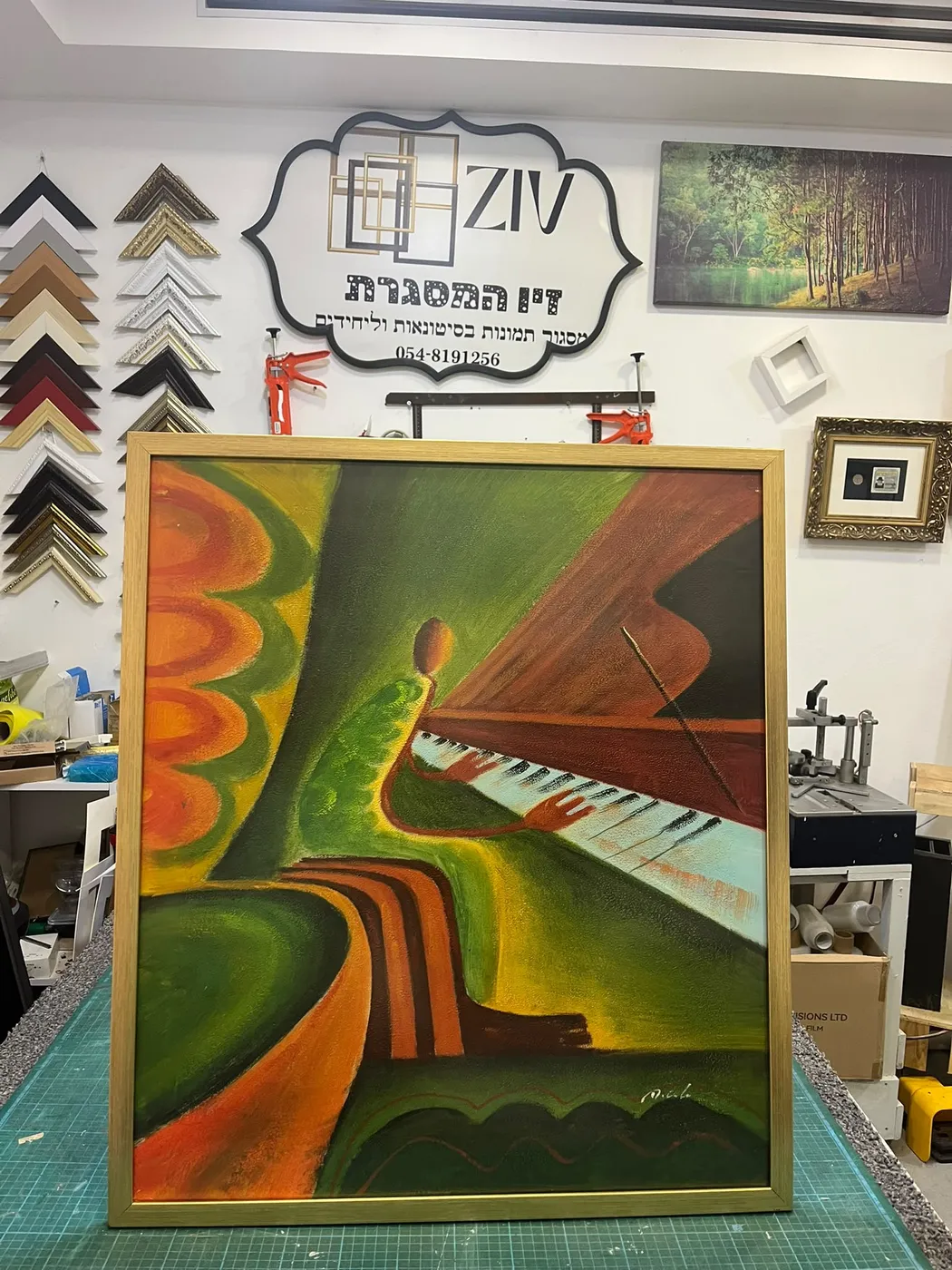
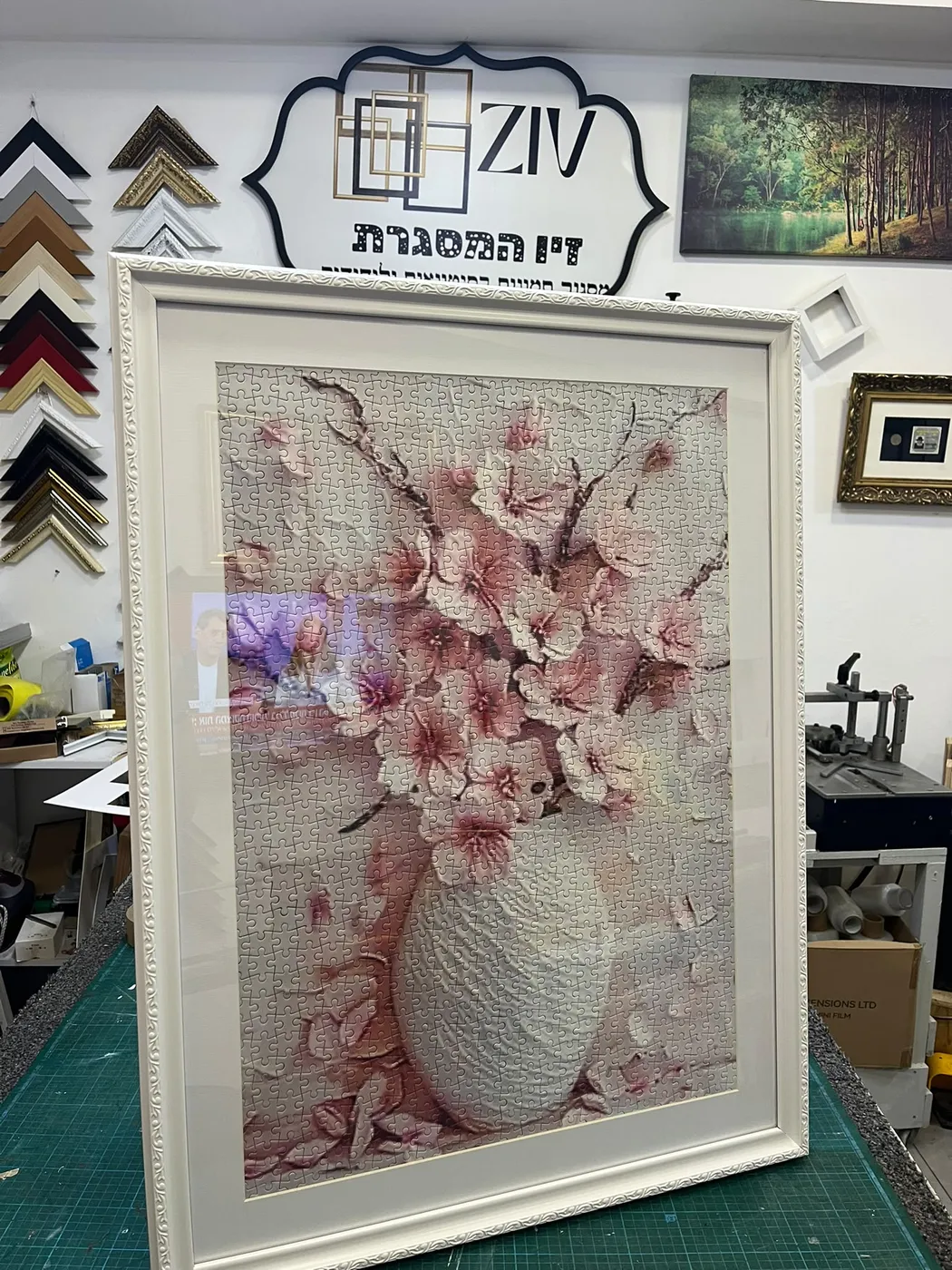
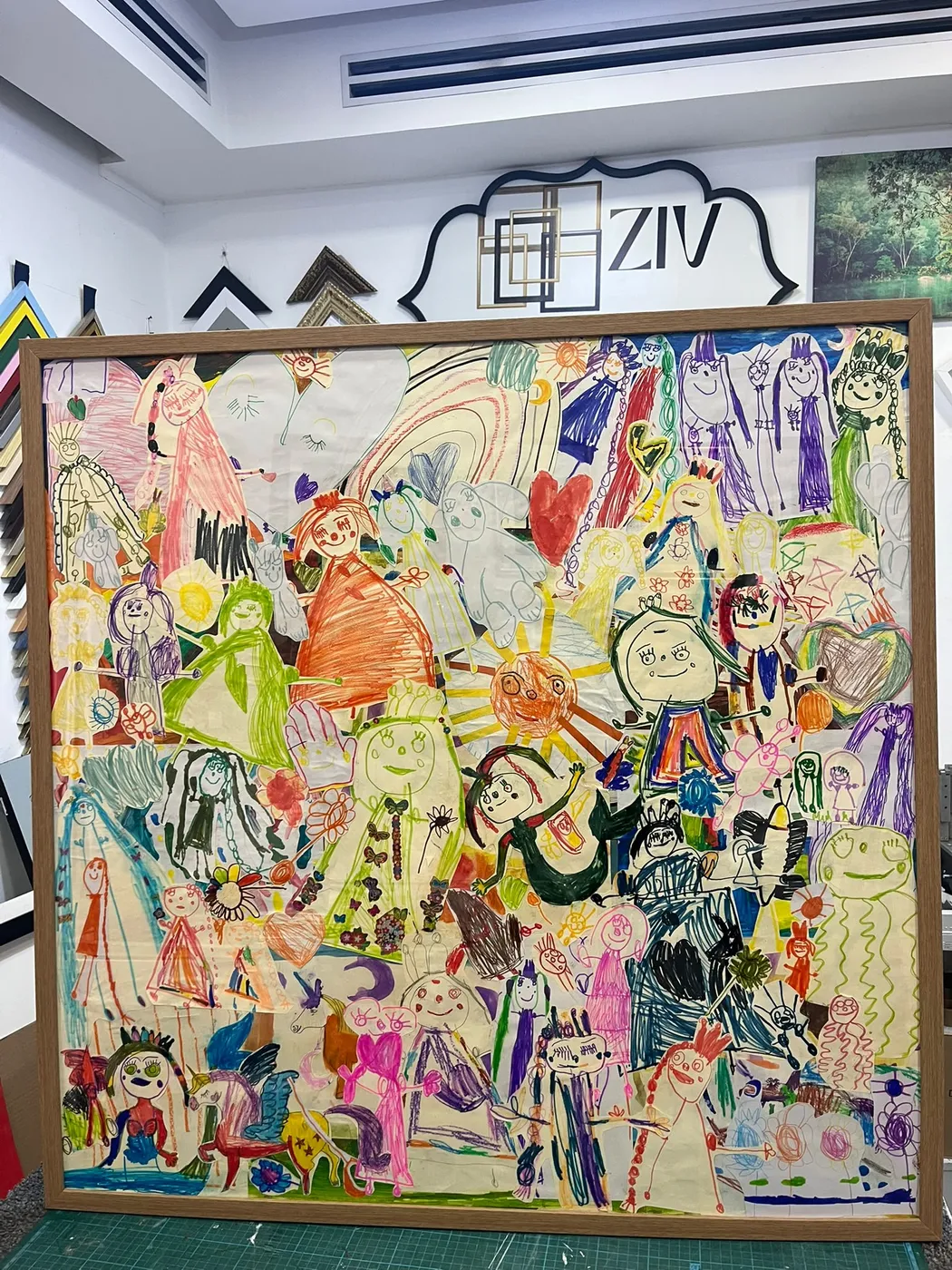
Stretched and ready: work from the studio
What our customers say
Reviews are shown in their original Hebrew, as posted on Google.
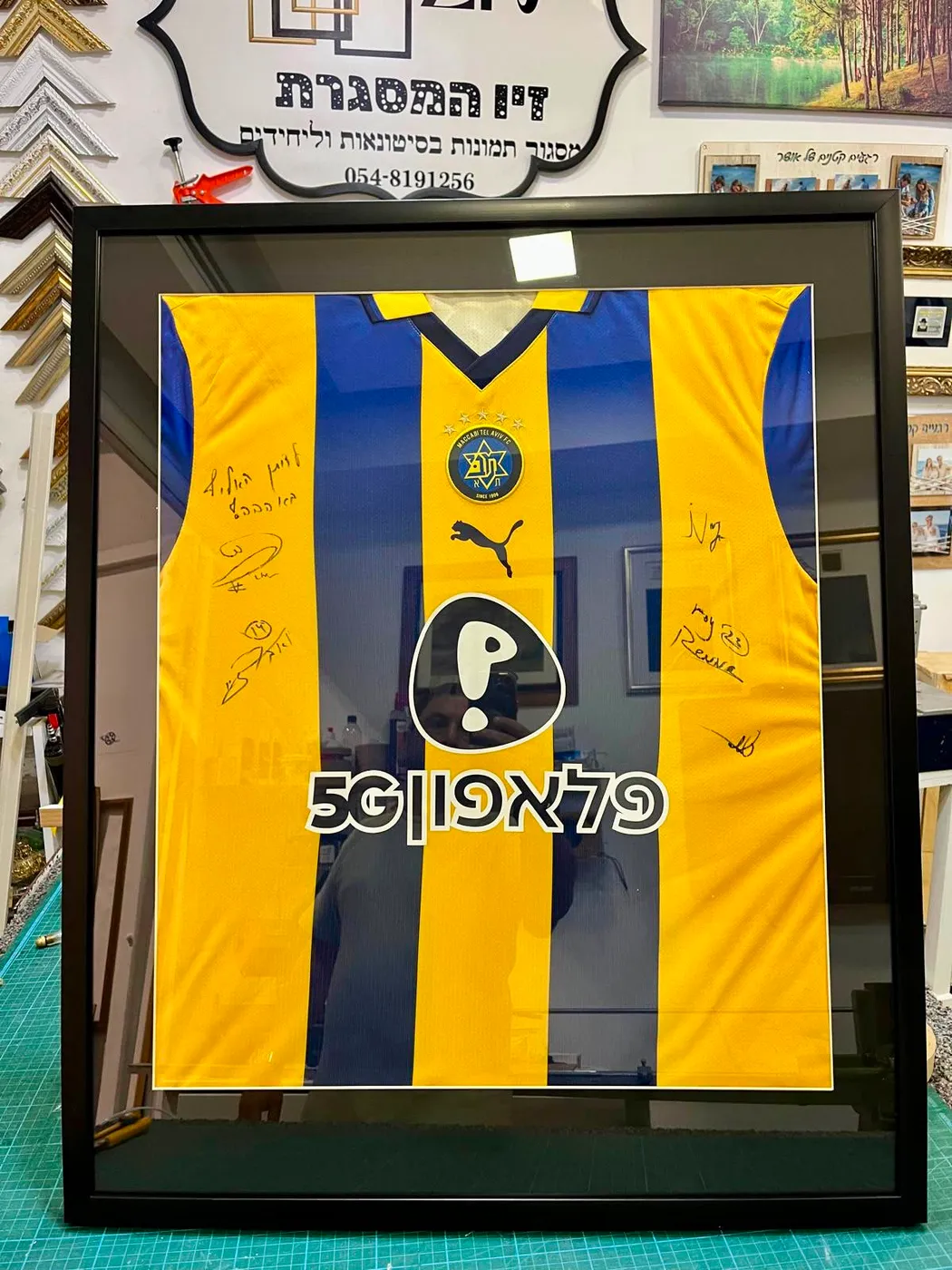
חוויית שירות מעולה מההתחלה ועד הסוף. קיבלתי מענה מהיר ומקצועי, עם יחס אדיב ונכונות אמיתית לבוא לקראתי. המחיר הוגן ושווה כל שקל. הזמנתי מסגרת לחולצה והתוצאה הסופית פשוט אליפות – עבודה מדויקת ואיכותית. ממליץ בחום לכל מי שמחפש עבודה ברמה גבוהה וראש שקט
שליו אברגילהגעתי דרך גוגל וגיליתי את זיו אדם אדיב ונחמד ישבנו לקפה עזר לי להתאים את המסגרת שמתאימה בול לציור שלי ממליץ בחום
יגאל מורמדהים!!!! מקום מדהים! זיו שירותי מאד ! מחירים הוגנים ובדקתי כמה חנויות. ממש ממש מרוצה
ספיר כהןשירות ואיכות ברמה הכי גבוהה שיש!!
Tomas Siעבודה מקצועית, שירות אדיב
Barry GreenOur work
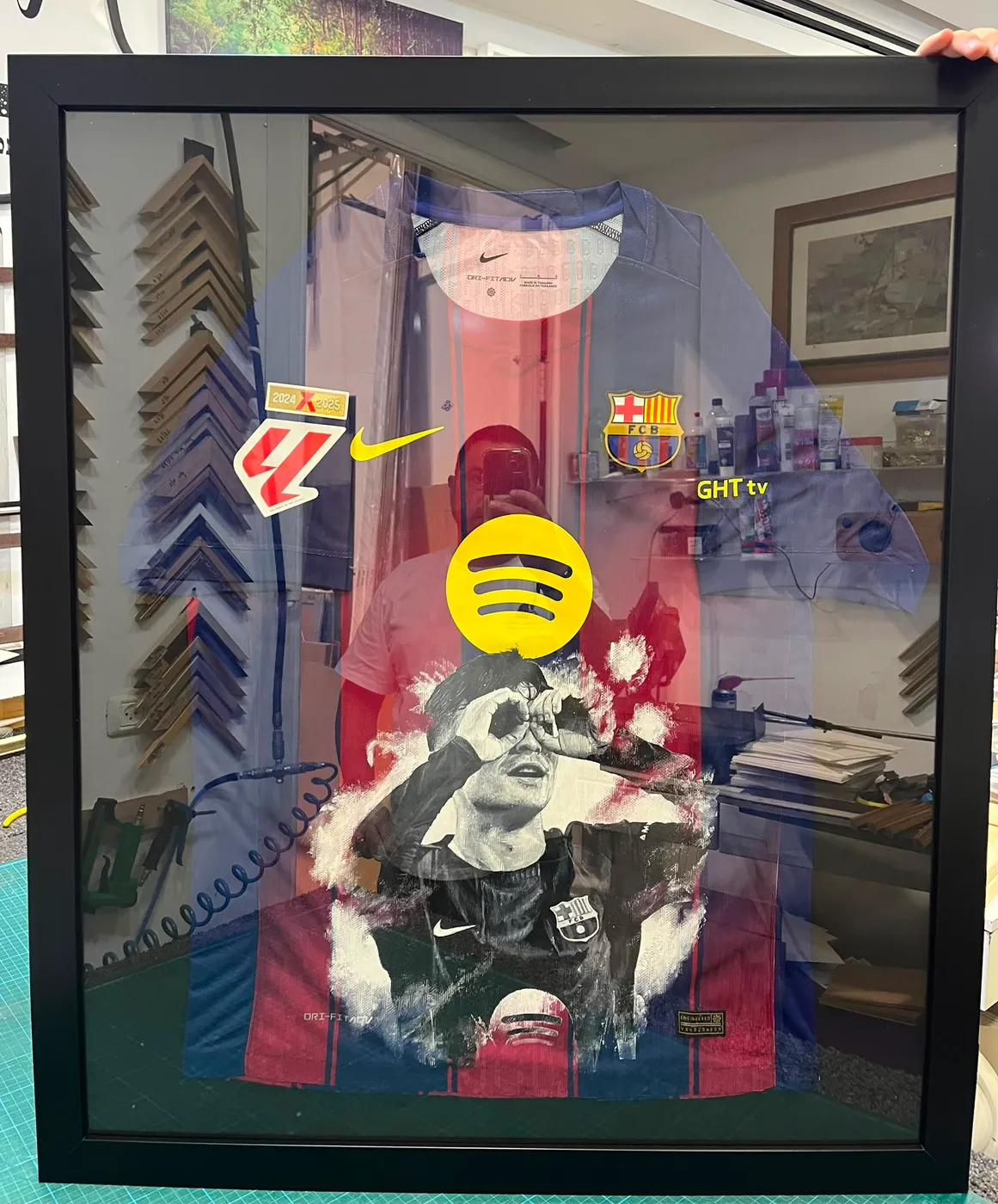
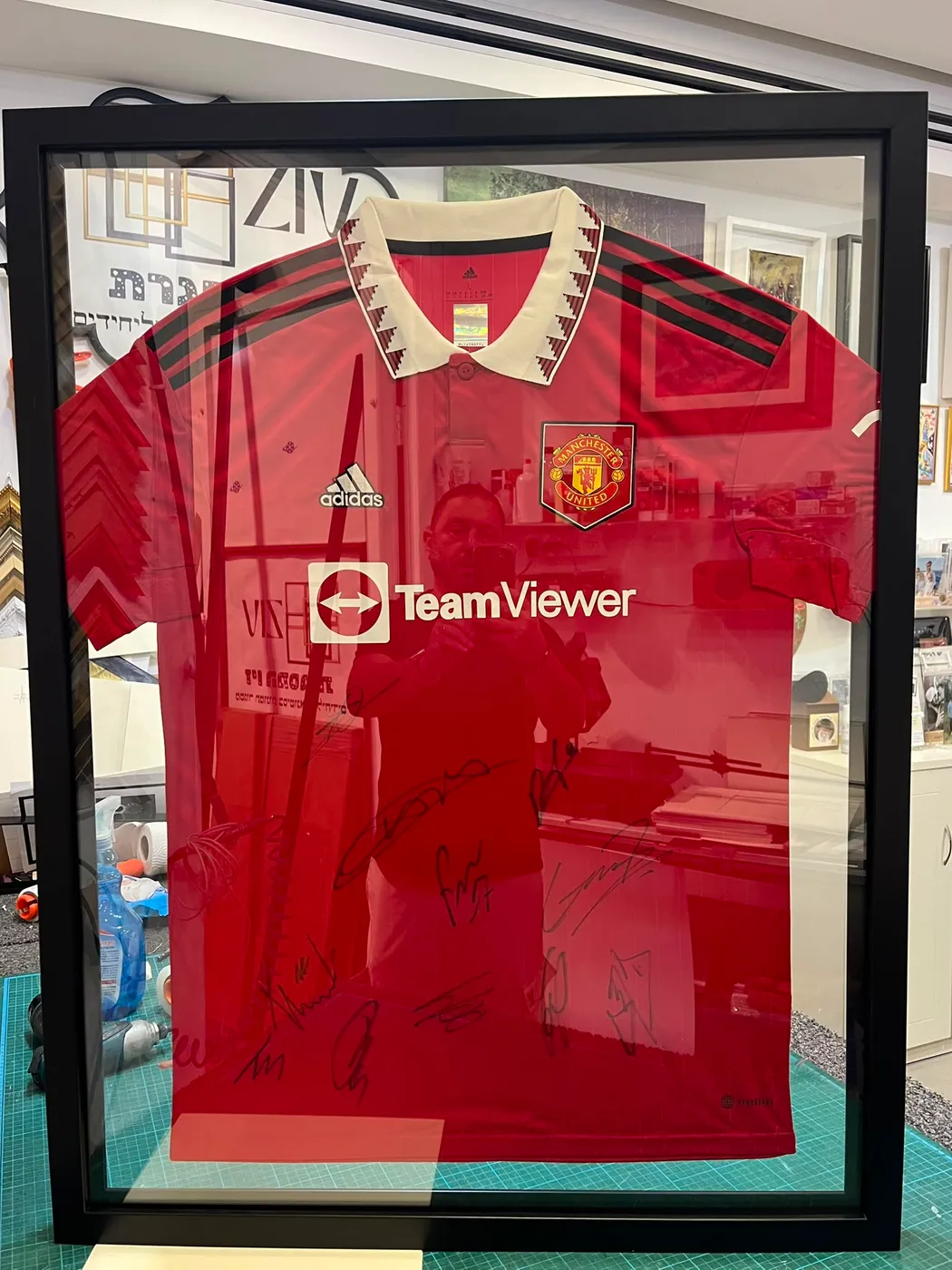
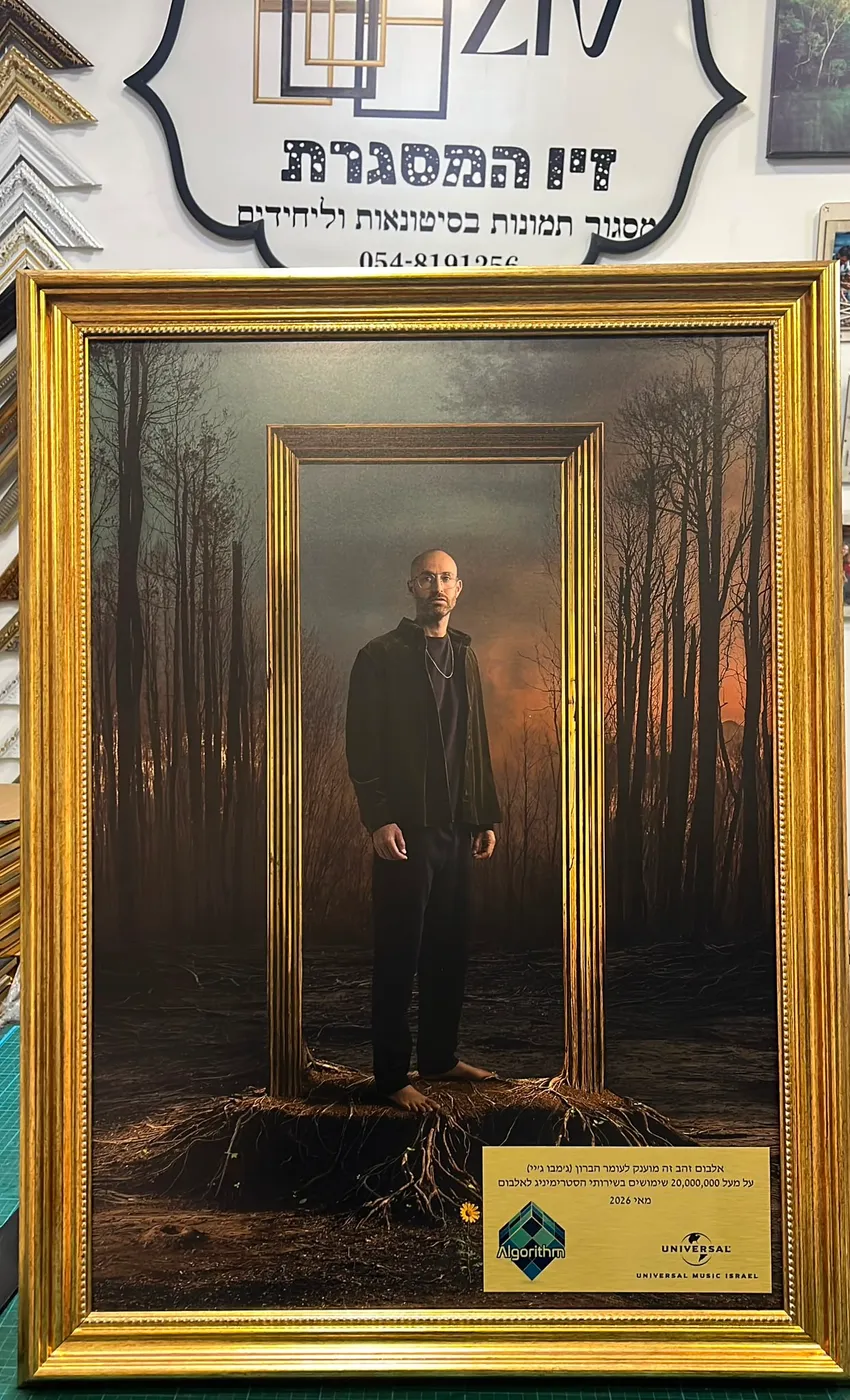
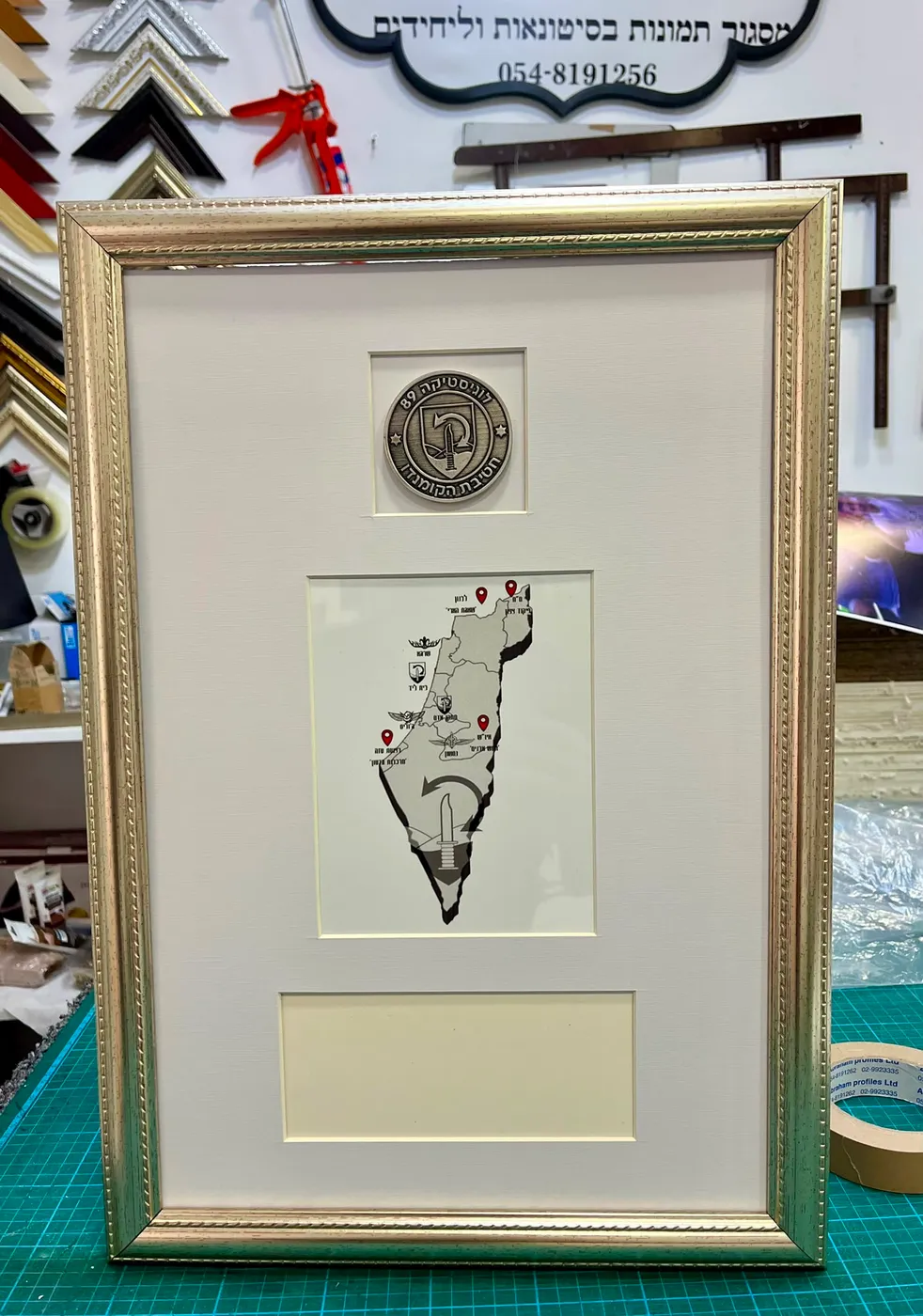

Frequently asked questions
How much does canvas stretching cost?
₪50 per linear meter, measured around the perimeter of the fabric. For example, a 50x70 cm piece has a perimeter of 2.4 meters, so about ₪120. The calculation is (length + width) x 2 x 50. What is painted on the fabric and who printed it don't affect the price.
Does the price include an outer frame?
No. ₪50 per linear meter is the price of stretching over the inner frame. An outer frame, floater or classic, is priced separately according to the molding you choose.
Can you stretch an old oil painting?
Yes, but carefully. Paint that has hardened over the years can crack at the folded corners, so an older painting is stretched more gently, and sometimes we recommend an outer frame. Show us the painting before deciding.
Can you stretch any size?
Yes. We build the inner frame to the size of your fabric, not the other way around, so even unusual proportions with no equivalent in any catalog are routine work.
Can you stretch a painting I made myself?
Yes, that is a big part of this work. Bring the fabric to the studio and we will check the dimensions and the blank margins before stretching.
How much fabric do I need to leave at the margins?
The fabric has to wrap around the side of the frame and reach the back, so the deeper the frame, the more spare fabric is needed. If the margins are too short, the final size will shrink a little. We will look at it together before we start.
Can a slack canvas be restretched?
Yes. Sometimes it is enough to pull it again and refix it on the same frame, and sometimes it is better to build a new inner frame. That gets decided once we see the state of the wood and the margins.
Do I need an outer frame after stretching?
Not necessarily. A stretched canvas comes out ready to hang as it is. An outer frame, floater or classic, is a finishing choice.
My fabric was rolled in a tube. Is that a problem?
No. Rolled is the preferred state. What is less good is fabric that was folded, because the crease doesn't always disappear after stretching, so it is worth showing it to us in advance.
More services
How to find the studio
3 Naftali Palatin St., Booth 147, Rishon LeZion